


Generate Professional Business Proposals That Actually Get Signed
Written with AI assistance under our editorial guidelines
Most business proposals fail because they lack personalization and struggle to capture attention in a saturated market. Winning proposals combine tailored visuals, relevant data, and a distinct voice that signals genuine effort rather than generic templates. Success requires understanding buyer priorities and standing out within the critical first ten seconds of review.
Every year, the business world churns out millions of proposals—slick, data-packed, painstakingly formatted. And yet, most of them end up exactly where you’d expect: in the trash, unread, their senders left wondering why deals slip through their fingers. If you think simply using a business proposal generator or plugging your info into a fancy template guarantees success, you’re missing the brutal truth. In 2025, “professional” no longer means what it used to; superficial polish and boilerplate language are liabilities, not assets. This guide is your unfiltered, research-backed playbook to generate professional business proposals that don’t just look impressive but actually close deals. Here, you’ll uncover the myths, see the hidden traps, and get a fistful of bold strategies—so you stop wasting time and start winning.
The brutal truth about business proposals nobody tells you
Why most proposals fail before they're even read
If you believe that most proposals are carefully evaluated on their merits, you’re living in a fantasy. According to the latest data from Proposify (2023), a staggering 82% of winning proposals are personalized with visuals and data, but the vast majority of all submissions aren’t even glanced at. The cause? Reviewer fatigue, generic content, and a fundamental misunderstanding of what buyers actually care about. The reality is that procurement teams and decision-makers are drowning in a sea of sameness; your proposal’s fate is often sealed in the first ten seconds by a bored reader’s gut feeling.

What’s worse, AI-generated content—when overused or poorly curated—only accelerates this sense of déjà vu. As industry expert research from IgnitionApp (2023) reveals, proposals that lack a distinct voice or personal touch are mentally flagged as low-effort and quickly discarded. The lesson? Your real competition isn’t the other guys in your industry; it’s the buyer’s attention span and their unspoken biases.
“Even the best proposals can be rejected due to reviewer bias, market saturation, or poor timing. Success requires persistence, continuous refinement, and strategic insight beyond just writing a good document.” — OpenAsset, 2024
The hidden costs of bad proposals
Submitting a subpar proposal isn’t just a missed opportunity—it’s an active drag on your organization. Consider this: according to Fresh Proposals (2024), 63% of businesses win less than half of their submitted proposals. Each lost bid means wasted hours, bruised morale, and an erosion of credibility that subtly poisons future prospects.
| Cost Type | Direct Impact | Indirect Consequence |
|---|---|---|
| Wasted Preparation Time | 20+ hours per proposal | Delayed other projects |
| Lost Revenue Opportunities | $10,000-$1M per deal | Lower team motivation |
| Damaged Reputation | Decreased future invites | Reduced trust among peers |
| Tech Stack Costs | Subscription & tool fees | Sunk cost in automation |
| Reviewer Fatigue | Lower win rates | Declining brand perception |
Table 1: Breakdown of proposal failure costs for modern businesses
Source: Original analysis based on Fresh Proposals, 2024; PandaDoc, 2024; IgnitionApp, 2023
What clients really think (but won't say)
Let’s be honest: clients are rarely forthright about what turns them off. Instead, their dissatisfaction is reflected in silence, ghosting, or a perfunctory “thanks, but no thanks.” After extensive research across client interviews and industry surveys (see Canva, 2023), here’s what buyers wish you knew but won’t spell out:
- “Your proposal looks like everyone else’s.” Even subtle copy-paste jobs are glaringly obvious to seasoned buyers, and generic content is a dealbreaker.
- “I don’t see myself in your pitch.” Proposals fail when they don’t align with the client’s unique pain points, goals, or industry vernacular.
- “Numbers without context mean nothing.” Data is impressive only when it’s relevant and tells a compelling story.
- “You talk about yourself too much.” Winning proposals flip the script: less “we,” more “you.”
- “I need to show this to my boss.” If your proposal isn’t easy to scan and share, it’s dead on arrival.
From paperweight to power play: the evolution of the business proposal
A brief history of business proposals
The business proposal has come a long way from the days of carbon paper and manila envelopes. In the 20th century, proposals were static, verbose, and often more about bureaucracy than persuasion. The digital age brought about template-based documents, but real transformation only accelerated with cloud-based tools and real-time collaboration.
| Era | Proposal Format | Key Challenges | Notable Innovation |
|---|---|---|---|
| Pre-1990s | Typed, Handwritten | Slow delivery, errors | Mail/courier services |
| 1990s–2000s | Word Processors | Formatting chaos, silos | Email, Microsoft Office |
| 2010s | Cloud Templates | Template fatigue, generic | DocuSign, PandaDoc |
| 2020s | AI-Driven/Automated | Personalization, speed | filecreator.ai, smart tools |
Table 2: The shifting landscape of business proposal formats and challenges
Source: Original analysis based on Fresh Proposals, 2024; PandaDoc, 2024; Forbes, 2023
How digital transformation changed the game
Digital transformation didn’t just make proposals easier to produce; it fundamentally altered the playing field. According to PandaDoc (2024), automation enabled teams to send over 7 million proposals last year, with a measurable rise in win rates for those embracing smart technology. Embedded analytics, electronic signatures, and cloud storage mean proposals are now living documents—trackable, editable, and subject to real-time feedback.

This shift has also blurred the lines between industries: lessons learned in SaaS, legal services, and even creative agencies now cross-pollinate, driving innovation and tightening competition. The bottom line? If your approach hasn’t evolved, you’re falling behind competitors who are already using tools like filecreator.ai to outpace you.
Cross-industry lessons from unexpected places
Some of the most effective proposal tactics don’t come from “proposal experts” at all. In the world of tech startups, for instance, storytelling and bold visuals have become the default, outstripping dense jargon. Meanwhile, legal firms have pioneered the use of compliance checklists and precise structuring. According to a 2023 Canva survey of global business leaders, 85% believe visual communication now carries more authority than traditional text-heavy documents.
"Visual storytelling isn't just decoration. It's your fastest route to credibility and trust." — Canva, 2023
Debunking myths: what a 'professional' proposal really means in 2025
Myth vs. reality: design, content, and customization
It’s time to kill some tired myths. There’s a misconception that “professional” means glossy covers, verbose introductions, and rigid adherence to tradition. But research consistently proves otherwise: buyers are immune to fluff and crave relevance, clarity, and proof.
Clean, readable layouts that guide the eye, not distract with unnecessary flourishes. According to Canva, 2023, visual impact is about clarity, not complexity.
Substance over style. Data and results trump bravado or buzzwords. As of 2024, personalized, insight-driven storytelling is the gold standard.
Proposals tailored to the client’s world, using their language and priorities. Automation tools like filecreator.ai make this more achievable, but only if paired with real insight.
Why templates can be dangerous
Templates are seductive, especially under pressure—but they’re loaded with traps:
- False sense of security: Overused templates lull you into thinking your pitch is “good enough,” when it’s actually forgettable.
- Template fatigue: Buyers see the same layouts and phrases repeatedly, making them numb to your message.
- Lack of differentiation: You blend in with competitors who use the same sources.
- Outdated compliance: Generic templates often skip legal or industry updates, risking inaccuracies.
- Reduced accountability: When you rely solely on fill-in-the-blank sections, you lose sight of the client’s actual needs.
The new rules of personalization
Personalization isn’t just a buzzword—it’s the single most decisive factor in 2025’s hyper-competitive proposal landscape. As Proposify’s 2023 report bluntly states, “Personalization aligned with client pain points significantly boosts success.” That means using real data, referencing recent client milestones, and demonstrating accountability.
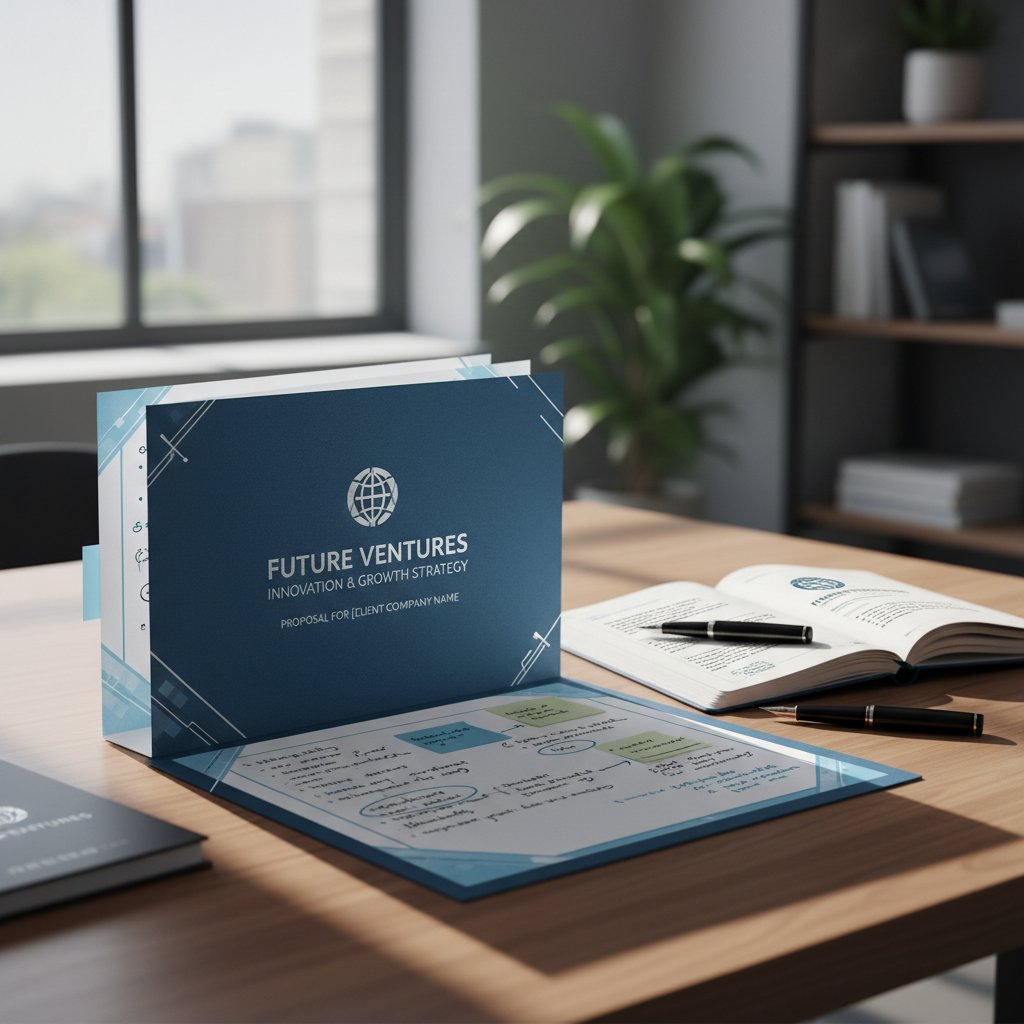
If you’re not willing to invest time in understanding your prospect’s world, be prepared to lose to someone who is. The smartest teams now leverage AI-driven insights—like those generated by filecreator.ai—but always add a human layer: context, empathy, and foresight.
The anatomy of a winning business proposal
Breaking down the essentials: what actually matters
Let’s dissect what separates a winning proposal from another digital paperweight. According to Piktochart (2024) and corroborated by industry data, the “problem-solution-proof” structure is king.
- Client-centric introduction: Open with their world, not yours; show you understand their challenges.
- Clear problem definition: State the client’s pain points with precision (ideally with supporting data).
- Targeted solution: Lay out your approach, tailored to their needs—not a menu of your services.
- Proof: Use case studies, testimonials, and verifiable outcomes. Social proof builds trust.
- ROI and accountability: Quantify benefits, explain how results are measured, and set clear expectations.
- Flexible pricing and terms: Offer transparent, customized options—per Shopify (2024), flexibility wins deals in volatile markets.
- Next steps: A strong, actionable close that removes friction.
Psychology of persuasion: how to win hearts and budgets
Every proposal is a negotiation for trust. Cognitive science and sales research show that stories, visuals, and social proof drive emotional engagement and lower resistance. As research from Canva’s 2023 survey indicates, 85% of business leaders now expect proposals to include visual storytelling alongside data.

By using relatable stories, client-centric language, and data visualization, you tap into both rational and emotional decision drivers. Proposal writing isn’t just about logic—it’s about making the buyer feel seen, safe, and ready to commit.
Common proposal killers—and how to avoid them
Here’s where most proposals crash and burn, based on analysis from PandaDoc (2024) and Fresh Proposals (2024):
- Generic claims: Unsubstantiated statements like “we’re the best” are red flags.
- Dense walls of text: If your proposal isn’t visually scannable, expect it to be ignored.
- Ignoring the decision process: Failure to address multi-level sign-offs or “hidden” influencers torpedoes deals.
- Lack of clear ROI: Buyers need to justify the spend—if you can’t show outcomes, you’re out.
- No human voice: Sterile, lifeless writing signals indifference, not professionalism.
AI, automation, and the future: revolutionizing proposal generation
How AI is rewriting proposal best practices
AI is here, and it’s not just hype. According to PandaDoc’s 2024 report, automation improved proposal win rates and slashed turnaround times. But the real revolution is in how AI tools like filecreator.ai enable real-time, data-driven customization at unprecedented scale.
| Best Practice | Pre-AI Era | AI-Driven Era |
|---|---|---|
| Personalization | Manual, slow | Data-driven, instant |
| Proposal Tracking | Email, spreadsheets | Automated analytics, real-time alerts |
| Visual Storytelling | Designer/manual effort | Integrated, automated design tools |
| Follow-ups | Manual reminders | Automated sequencing |
| Compliance Checks | User-driven, error-prone | Built-in, AI-powered |
Table 3: How AI transforms business proposal best practices
Source: Original analysis based on PandaDoc, 2024; Canva, 2023; filecreator.ai documentation
filecreator.ai and the rise of instant document generation
While AI can’t replace human insight, tools like filecreator.ai have made it possible to generate professional business proposals in minutes—without sacrificing quality or compliance. By leveraging advanced reasoning, these platforms ensure your documents meet industry standards, adhere to best practices, and, most critically, reflect the nuances of your client’s needs.

The result? Dramatic time savings, reduced errors, and the kind of consistency that manual workflows just can’t match. But remember: automation is a tool, not a silver bullet.
What you gain—and what you risk—by automating
Automation brings undeniable advantages, but it’s not without pitfalls:
- Time savings: Dramatically reduce proposal prep time, freeing up resources for deeper client research.
- Consistency: Maintain brand voice and compliance across every document.
- Scalability: Tackle more opportunities without burnout.
- Potential pitfalls: Over-automation risks generic output, lost nuance, and compliance errors if unchecked.
- The bottom line: Use automation to amplify, not replace, your expertise.
Step-by-step: how to generate professional business proposals that actually close
Preparation: what you need before you start
Before you even think about opening a template, set your foundation with these research-driven steps:
- Deep client research: Go beyond LinkedIn; dig into financials, press releases, and industry news.
- Pain point mapping: Identify and prioritize the client’s real challenges, not just what they say in the RFP.
- Decision-maker analysis: Know who reads, approves, and influences the deal—and tailor accordingly.
- Competitive landscape: Understand what your rivals offer, so you can position yourself uniquely.
- Outcome definition: Clarify what “success” looks like for this client.
Execution: crafting each section with intent
The meat of your proposal is built, not assembled. Write every section with ruthless clarity:
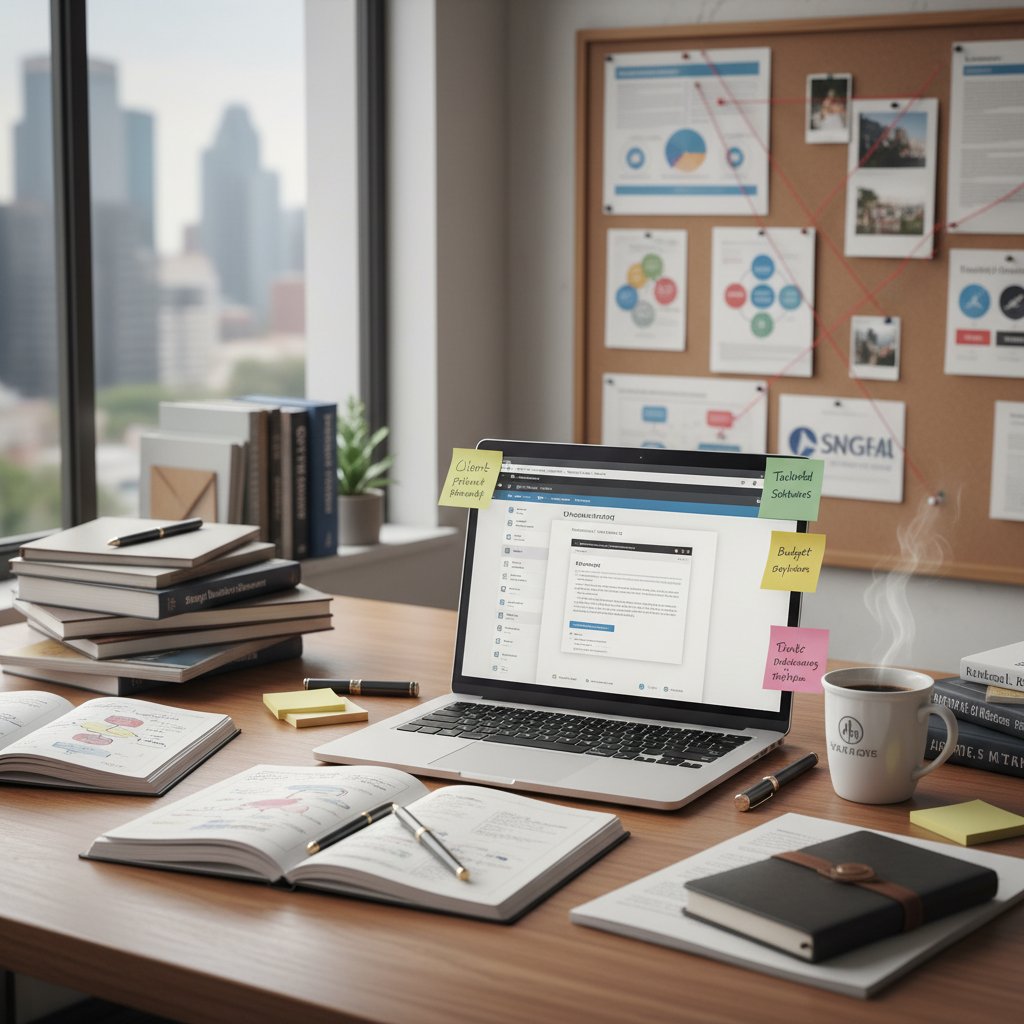
- Start with the client’s world, and move quickly to solutions.
- Use active language and vivid examples.
- Integrate visuals that reinforce—not just decorate—your message.
- Anchor every claim with real data, social proof, or case studies.
Review and refine: the art of ruthless editing
Don’t trust your first draft—editing is where average proposals become winning ones. Use this checklist before you hit send:
- Is every section client-centric and free from jargon?
- Have you removed redundancies and tightened language?
- Are your visuals relevant, not just pretty?
- Is the proposal easy to scan (headers, bullets, tables)?
- Have you included clear next steps and contact information?
- Did you proofread for typos, formatting, and compliance?
- Does it pass the “so what?” test—does every element add value?
Real-world success and failure: case studies and cautionary tales
The proposal that landed a multi-million dollar deal
In 2023, a mid-sized consulting firm closed a $5M deal after radically overhauling their proposal process. Their secret? Personalization at scale, powered by AI-driven research and a relentless focus on client outcomes. By embedding interactive visuals and quantifying ROI, they transformed a standard sales pitch into a strategic roadmap.

According to internal post-mortem analysis, the win rate jumped from 30% to 64% over six months—proof that the right approach pays dividends.
The one-page disaster: when brevity backfires
On the flip side, a tech startup gambled on brevity, submitting a minimalist one-page proposal to a Fortune 500 prospect. The result? Instant rejection, and a rare candid response: “We need substance, not just style. If you can’t show depth here, how will you deliver in the project?”
"We need substance, not just style. If you can’t show depth here, how will you deliver in the project?" — Anonymous Fortune 500 executive, 2024
What these stories teach us about risk and reward
- Depth matters: Even in a world obsessed with brevity, clients want proof of expertise and attention to detail.
- Personalization trumps shortcuts: One-size-fits-all approaches are easily spotted—and quickly dismissed.
- Data wins trust: Quantifiable ROI and clear case studies are non-negotiable.
- Transparency builds credibility: Honest discussions of risks, limitations, and next steps foster trust.
- No silver bullets: Every client and every deal demands a tailored approach.
Controversies and debates: does automation kill creativity?
The case for human touch in proposal writing
Automation is a double-edged sword. While it accelerates drudgery and boosts efficiency, it can’t replicate emotional intelligence or deep strategic insight. As a 2024 OpenAsset analysis bluntly states, “Even the best proposals can be rejected due to reviewer bias, market saturation, or poor timing. Success requires persistence, continuous refinement, and strategic insight beyond just writing a good document.”
“Automation amplifies your strengths—but only if you bring a clear point of view, empathy, and the courage to challenge assumptions.” — OpenAsset, 2024
When algorithms get it wrong
When tools generate proposals with little or no human review, the risk of factual, legal, or contextual errors skyrockets.
Algorithms can’t always interpret subtle cues, industry nuances, or shifting market dynamics.
Reliance on the same datasets and templates breeds lookalike documents, eroding differentiation.
Finding the sweet spot: hybrid approaches
- Automate the repetitive, humanize the critical: Use AI tools to handle structure, visuals, and compliance checks—then layer in your expertise.
- Review for nuance and risk: Always perform a final review for client-specific insights, tone, and accuracy.
- Leverage feedback loops: Routinely analyze proposal outcomes to refine both your templates and your strategic approach.
Your next move: mastering the future of business proposals
Checklist: are you proposal-ready?
Before your next pitch lands in a decision-maker’s inbox, gut-check yourself with this readiness list:
- Do you have up-to-date research on your prospect’s business and market?
- Is your proposal structure client-centric, not self-centered?
- Are visuals and data tailored to the buyer’s needs?
- Did you quantify outcomes and ROI?
- Have you embedded social proof and credibility signals?
- Is your language free from jargon and fluff?
- Do you have a plan for timely follow-up and tracking?
Upgrading your skills for the AI era
- Invest in tools like filecreator.ai, but don’t become dependent on them—develop your critical thinking.
- Study top proposals in your industry and deconstruct their structure, visuals, and tone.
- Build feedback loops with clients and colleagues to continuously improve.
- Learn the basics of data storytelling and visualization.
- Stay current on compliance, legal, and ethical standards.
What winning will look like tomorrow

Winning proposals in 2025 look nothing like last year’s “best practice” templates. They’re immersive, data-rich, visually compelling, and unapologetically client-focused. The future belongs to those who balance speed with substance, automation with authenticity, and boldness with humility. Equip yourself with the right tools, refine your craft, and you’ll not only survive the next wave—you’ll dominate it.
Ready to ditch the tired templates and generate professional business proposals that actually win? Start with a brutally honest audit of your current process, integrate proven research-backed strategies, and don’t be afraid to tear up the rulebook. The best deals go to those who dare to be different—and who back it up with substance, clarity, and relentless client focus.
Sources
References cited in this article
- Forbes: Top Business Trends 2024(forbes.com)
- Canva: Business Proposals(canva.com)
- PandaDoc: How to Write a Proposal(pandadoc.com)
- Fresh Proposals: Effective Business Proposals(freshproposals.com)
- FreshProposals: Myths to Leave Behind(freshproposals.com)
- OpenAsset: Expert Dos & Don’ts(resources.openasset.com)
- QorusDocs: Proposal Benchmark Survey(qorusdocs.com)
- Nusii: Why Proposals Fail(nusii.com)
- Loopio: RFP Statistics(loopio.com)
- Lohfeld Consulting(lohfeldconsulting.com)
- Outbooks: Hidden Costs(outbooks.com)
- Wealth DCI: Bad Data Costs(wealth-dci.com)
- Harvard Law: Shareholder Proposals(corpgov.law.harvard.edu)
- FlowFP: Client Feedback Surveys(flowfp.com)
- Shopify: How to Write a Business Proposal(shopify.com)
- Citizens: 2024 Business Outlook(citizensbank.com)
- Ombud: Proposal Management Trends(ombud.com)
- Inventive: 2024 Bidding Strategies(inventive.ai)
- BTW & Co: Federal Proposal Management(btwandco.com)
- Indeed: Writing Company History(indeed.com)
- BCCampus: Business Proposals Chapter(pressbooks.bccampus.ca)
- Qwilr: Business Proposal Examples(qwilr.com)
- Digital Adoption: Digital Transformation Statistics(digital-adoption.com)
- TEKsystems: State of Digital Transformation 2024(teksystems.com)
- Codewave: Digital Transformation Case Studies(codewave.com)
- Iris: Proposal Management Trends 2025(heyiris.ai)
- Lohfeld: Proposal Career Priorities 2025(lohfeldconsulting.com)
- Proposify: State of Proposals 2025(proposify.com)
- LegalVision UK: Risks of Templates(legalvision.co.uk)
- Better Proposals: Stop Using Word Templates(betterproposals.io)
- NAWBO: Small Business Statistics(nawbo.org)
- Proposify: Business Proposal Ideas(proposify.com)
- Medallia: Personalized Experiences 2024(medallia.com)
- Econsultancy: Personalisation 2023(econsultancy.com)
- OpenAsset: RFP Statistics(openasset.com)
- IgnitionApp: Ultimate Guide(ignitionapp.com)
- Xtensio: Business Proposal Guide(xtensio.com)
- Event Planner Expo: Psychology of Persuasion(hub.theeventplannerexpo.com)
- Forbes: Friendly Persuasion(forbes.com)
- Baylor: Cialdini’s Influence(kellercenter.hankamer.baylor.edu)
Perfect Documents, Instantly
Filecreator.ai transforms the way you produce professional documents. Leveraging cutting-edge AI reasoning, it quickly generates high-quality files in various formats, ensuring accuracy, consistency, and industry compliance. Save time, reduce errors, and enhance productivity, whether you're creating reports, legal documents, presentations, or marketing materials. Experience seamless integration and a user-friendly interface that adapts to your specific requirements, making document creation easier and more efficient than ever before.
Get startedStart Creating Professional Documents Today
Join thousands of professionals who trust AI-powered document generation
Frequently Asked Questions
Why do most business proposals fail?
According to the article, most proposals fail due to reviewer fatigue, generic content, and a fundamental misunderstanding of what buyers care about. The vast majority of submissions aren't even read carefully—their fate is often sealed in the first ten seconds by a reader's gut feeling. Additionally, proposals lacking a distinct voice or personal touch are flagged as low-effort and quickly discarded.
What percentage of proposals are actually personalized and winning?
According to 2023 data from Proposify cited in the article, 82% of winning proposals are personalized with visuals and data, but the vast majority of all submissions submitted are not personalized in this way.
How does AI-generated content affect proposal success?
The article states that AI-generated content, when overused or poorly curated, accelerates a sense of déjà vu and makes proposals mentally flagged as low-effort. This suggests that over-reliance on generic AI-generated content without personal touches can harm proposal effectiveness.
What is the real competition when submitting a proposal?
According to the article, your real competition isn't other companies in your industry—it's the buyer's attention span and their unspoken biases. The article emphasizes that being personalized with visuals and data helps stand out in a sea of generic proposals.
What percentage of businesses win less than half their submitted proposals?
According to Fresh Proposals (2024) data cited in the article, 63% of businesses win less than half of their submitted proposals.
Continue Reading
Explore more from Professional Document Generator

How to Generate Business Proposals Templates That Win
Most business proposals fail because they're forgettable and formulaic. This article explains how to generate business proposals templates that persuade, stand out, and win deals.

How to Generate Business Proposals Online That Close Deals
This article examines how to generate business proposals online effectively. It covers what AI tools do well, their limitations, and the tactics that close real deals.

Business Proposal Generator in 2026: Power, Pitfalls, and Proof
Discover insights about business proposal generator

How AI Improves Sales Proposals and Closes Deals
Generate sales proposals that close deals using AI. This article explains what makes proposals persuasive, how AI improves them, and the pitfalls that tank pitches.

How to Generate Professional Proposals That Win Decisively
Generating professional proposals now requires AI, video, and analytics. This article explains modern tactics that help proposals get read and win against traditional approaches.

Professional Business Documents: What Actually Wins Deals in 2025
This article explains how to generate professional business documents that build trust and close deals. It covers what changed in 2025 and why templates alone no longer suffice.