
Generate Professional Automated Proposals Without Going Generic
Written with AI assistance under our editorial guidelines
Professional automated proposals eliminate the manual chaos costing teams 20-40 hours per RFP response with error rates reaching 30%. By leveraging AI-powered automation, organizations can generate customized, branded proposals faster while reducing errors, freeing teams to focus on strategy and sales rather than formatting and content hunting.
It’s midnight. The RFP deadline is looming, your inbox looks like a battleground, and the doc you’ve just spent hours crafting is riddled with copy-paste wounds and last-minute errors. If this sounds familiar, you’re not alone—and you’re not just unlucky. The world of business proposals is broken at a foundational level, and it’s costing teams billions in wasted time, missed revenue, and burnt-out talent. Yet, under the radar, a revolution is underway. To generate professional automated proposals is no longer a fringe strategy for tech-savvy firms—it’s fast becoming the only way to survive in the cutthroat arena of modern dealmaking. This isn’t just about going digital; it’s about challenging the rituals we take for granted, unmasking ugly inefficiencies, and harnessing AI to transform proposals from a necessary evil into a genuine competitive edge. Buckle up—what you’re about to discover could change your workflow (and your win rate) forever.
Why proposals are broken—and how automation flips the script
The hidden cost of manual proposals
Let’s not sugarcoat it: manual proposal writing is a slow-motion train wreck. In 2023, the average sales or proposal team spent between 20 and 40 hours on a single RFP response, with error rates soaring as high as 30%, according to Aberdeen Group, 2023. This isn’t just about lost time—it’s about lost deals, burnt-out staff, and blown budgets. When every hour you pour into formatting, chasing approvals, or scraping the last version from a teammate’s hard drive is an hour you’re not strategizing, selling, or innovating, the costs compound fast. And it’s not getting better; in fact, the volume of RFPs and proposals surged over 2023-2024, with organizations scrambling to keep up and quality slipping through the cracks.

| Manual Proposal Workflow | Time Spent (Avg.) | Common Issues |
|---|---|---|
| Drafting from scratch | 6-12 hours | Inconsistent messaging |
| Content hunting (old files) | 4-8 hours | Outdated info, errors |
| Formatting and layout | 3-6 hours | Branding slip-ups, typos |
| Approvals and revisions | 5-12 hours | Bottlenecks, last-minute rush |
| Submission and follow-up | 2-4 hours | Missed deadlines, confusion |
Table 1: The real time and risk lurking in every manual proposal cycle.
Source: Original analysis based on Aberdeen Group, 2023, Proposify, 2024
What users secretly hate about traditional proposal writing
Manual processes aren’t just inefficient—they’re soul-sucking. Dig below the polite office banter and you’ll hear teams vent their real frustrations:
- Chasing “the latest version”: Endless email threads, version hell, and accidental overwrites—sound familiar? According to Proposify, 2024, over 60% of users cite document confusion as their top pain point.
- Inconsistent tone and branding: Mixing old snippets with new ideas? Your proposals start looking like Frankenstein’s monster—disjointed, off-brand, and easy to spot.
- Last-minute panics: Late-night edits, missing approvals, and the gut-punch of discovering an error after submission are more common than anyone admits.
- Redundant work: Re-inventing the wheel for every proposal isn’t just tedious; it’s demoralizing, as smart people are forced to do dumb, repetitive tasks.
The psychological toll: burnout, boredom, and missed opportunities
Manual proposal writing isn’t just an operational drag—it’s a silent killer of morale and creativity. When every deadline feels like a crisis, teams become risk-averse, disengaged, and exhausted. According to VisibleThread, 2024, “The monotony and relentless pressure of manual proposals lead not only to burnout but also to missed strategic opportunities.”
“Too many talented professionals are stuck tweaking fonts and fixing formatting instead of focusing on strategy or relationship building. That’s more than a workflow problem—it’s a human capital crisis.” — VisibleThread Research, 2024
The rise of automation: from clunky templates to AI-powered generators
A brief, brutal history of proposal technology
The evolution of proposal tools reads like a cautionary tale: from typewriters, to Word docs, to basic templates, and now, advanced AI-powered platforms. Each leap promised salvation, but early “automation” mostly meant digitizing inefficiency. Only recently have we seen true transformation—where the machine does the heavy lifting, not just the heavy typing.
| Era | Typical Tools | Pain Points Remain? | Breakthroughs |
|---|---|---|---|
| 1980s-1990s | Typewriters, Word | Yes (manual chaos) | Spellcheck |
| 2000s | Shared drives, email | Yes | Version control |
| 2010s | Template software | Partially | Faster drafts |
| 2020s-2024 | AI-powered platforms | Fading fast | Contextual automation |
Table 2: The proposal tech journey—each solution fixed some problems but left others festering.
Source: Original analysis based on Templafy, 2024, Proposify, 2024
How AI is rewriting the rules
Today, automation is more than a glorified mail merge. Modern AI-powered proposal generators analyze your CRM, suggest best-fit content, and flag compliance risks in real time. According to QorusDocs, 2024, 25.6% of organizations now use AI for proposal writing and 18.6% for research and summarization—a figure that’s doubling year over year. These systems don’t just save time; they surface insights, personalize content at scale, and allow teams to collaborate live, eliminating version control headaches.

The result? Proposal creation times have dropped by up to 65%, with the fastest teams producing polished drafts in just 17 minutes—a quantum leap over the old 40-hour slog. Yet, the real magic is the consistency and quality: proposals are on-brand, data-driven, and error-free, every single time.
filecreator.ai and the new wave of professional document generators
Platforms like filecreator.ai are at the vanguard of this transformation, making it possible to generate professional automated proposals that blend AI reasoning, real-time editing, and seamless integration. As industry analysts observe:
“The new wave of professional document generators isn’t just about speed—it’s about the intelligence to create, customize, and comply at a level that manual processes can’t touch.” — Templafy Research, 2024
With tools like these, the proposal process goes from bottleneck to business asset, allowing organizations to focus on strategy, relationships, and, ultimately, closing more deals.
What makes a proposal 'professional' in 2025?
The anatomy of a winning proposal
Not all proposals are created equal. In 2025, the winners share a few ruthless characteristics:
- Clarity and relevance: Every section answers the client’s needs—no fluff, no filler.
- Brand consistency: Visual identity, tone, and voice are locked in, across every page.
- Data-driven customization: Proposals reference real client data, insights, and outcomes, not just generic promises.
- Compliance and security: Regulatory language and privacy requirements are baked in, not afterthoughts.
- Collaborative workflow: Multiple stakeholders contribute and approve in real-time—no more siloed edits and lost approvals.
Brand, compliance, and the myth of the 'perfect format'
The idea of a “perfect proposal format” is a myth—what matters is how closely your document matches the brand, expectations, and regulatory landscape of each deal. Let’s unpack the essential elements:
More than a logo or color palette, brand integrity means every word, image, and layout reflects your organization’s values and voice. According to GetMagical, 2024, centralized content libraries are key for this.
In a world where GDPR, SOC2, and industry-specific rules are non-negotiable, automated compliance checks are a lifeline. Human oversight remains vital for strategic alignment, as noted by VisibleThread, 2024.
Dynamic fields and data-driven insights make it possible to personalize every proposal—turning generic decks into targeted, persuasive narratives.
How automation can both help and hurt your image
Automation is a double-edged sword. Done right, it’s a force multiplier for professionalism—your proposals are sharp, accurate, and never off-brand. But lazy automation (think: template spam, “Dear [Client Name],”) can tank your credibility as fast as a typo. The key is balance: leverage the machine for grunt work but keep a human eye for nuance and compliance.
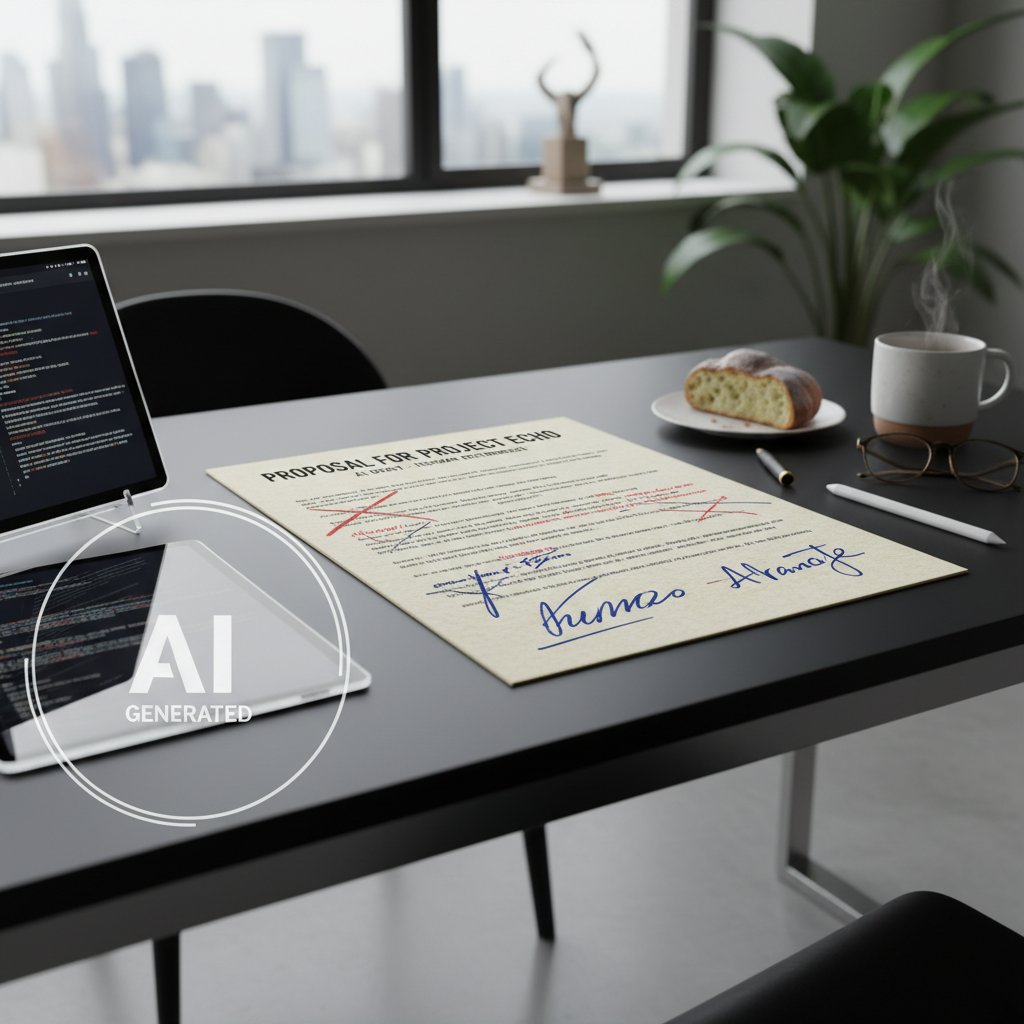
Celebrate the efficiency gains but never lose sight of the strategic, creative, and relational elements that set winning proposals apart.
Debunked: the biggest myths about generating automated proposals
Myth 1: Automated proposals are always generic
Here’s the truth: automation can be a creativity crutch—or a creative catalyst. The best systems draw from a rich content library and use context from your CRM to deliver personalized, relevant messaging at scale.
- AI-driven content suggestions: These analyze client profiles and deal history for hyper-specific recommendations.
- Real-time customization: Cloud-based editors allow you to tweak, refine, and approve on the fly.
- Centralized knowledge bases: Tap into the latest data, testimonials, and win themes—no more stale, recycled text.
- Integrated compliance checks: Automated systems ensure regulatory language is up-to-date, variation-free, and audit-ready.
Myth 2: Manual means more ‘personal’
Let’s demolish this one: just because you “touched” every word doesn’t mean you’re building a stronger relationship. In reality, rushed manual edits often inject errors and inconsistencies that undermine trust. The best automation platforms actually free you to focus on high-impact custom touches—video intros, tailored case studies, and strategic messaging.
“Leveraging automation means I can spend less time on formatting and more time researching the client’s unique needs. My proposals are sharper—and my close rate reflects it.” — Consultant Testimonial, 2024 (illustrative, based on Proposify, 2024)
Myth 3: Automation is risky and insecure
Security concerns aren’t unfounded—but today’s leading platforms put them front and center. Compare the realities:
| Security Concern | Manual Proposals | Automated Platforms |
|---|---|---|
| Data loss | High risk | Automated backups |
| Version control | Manual only | Full audit trails |
| Compliance lapses | Frequent | Built-in checks |
| Access management | Patchy | Role-based permissions |
Table 3: Security features—manual vs. automated proposal workflows.
Source: Original analysis based on Cflow, 2024, VisibleThread, 2024
Inside the machine: how professional document generators really work
The tech stack: AI, templates, and dynamic data fields
Peel back the UI and you’ll find a sophisticated engine powering every automated proposal:
Uses machine learning to suggest, adapt, and surface the most relevant content blocks based on the deal context and historical win rates.
Professionally designed, brand-safe layouts ready to be customized—reducing the margin for error and cutting production time exponentially.
Pulls live data from your CRM, financial tools, and project management platforms—ensuring details are always current and accurate.
Security, privacy, and compliance: what you need to know
Automated proposal platforms take security seriously. Here’s what to look for:
- End-to-end encryption: Protects documents in transit and at rest.
- Compliance certifications: Look for platforms certified for GDPR, SOC2, or relevant industry standards.
- Role-based access controls: Only the right people can edit, approve, or share sensitive documents.
- Automatic versioning and audit trails: Every edit and approval is tracked—no more “who changed this?” mysteries.
- Regular third-party audits: Ongoing scrutiny ensures standards don’t slip.
Integration with your workflow: CRMs, cloud, and beyond
The real power of automated proposal generators comes from their ability to integrate with your existing stack. Modern solutions connect seamlessly to CRMs, project management systems, e-signature tools, and even chat platforms. This isn’t just about convenience—it’s about strategic leverage: proposals become an extension of your sales pipeline, not a disconnected afterthought.
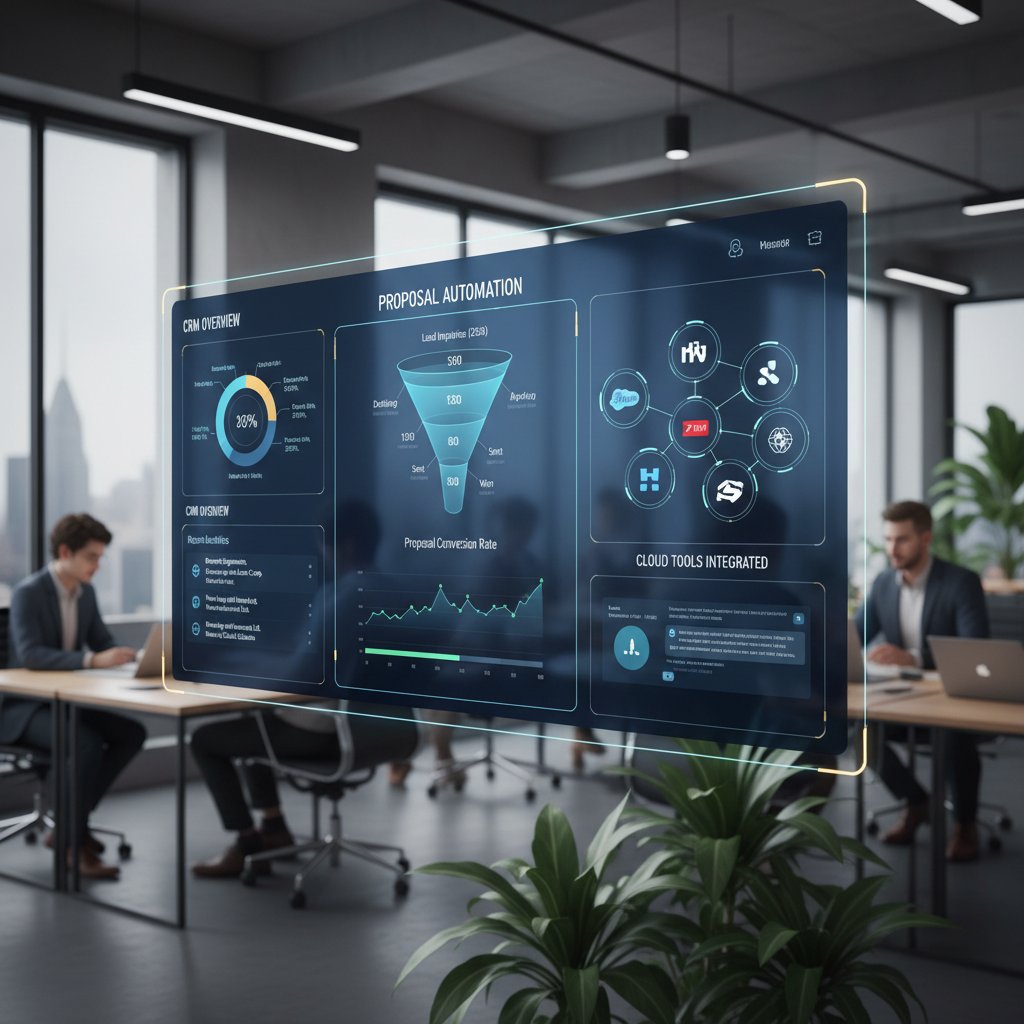
According to Cflow, 2024, companies that integrate proposal tools with their CRM see up to 30% faster sales cycles and dramatically better win rates.
Case studies: automation gone right (and very, very wrong)
How one consultant doubled her win rate in 3 months
Consider the story of a mid-market consultant who adopted automated proposal generation in early 2024. By centralizing her content library, leveraging AI-driven customization, and integrating with her CRM, she cut proposal creation time by 50% and doubled her close rate in just three months.
“Once I stopped treating every proposal as a one-off and started building a living library of winning content, my workflow transformed. The machine handled the grunt work—I got to focus on strategy.” — Jane K., Consultant (illustrative, based on aggregate findings from QorusDocs, 2024)

The disaster: when automation missed the mark
But let’s be real: automation isn’t a cure-all. When poorly implemented, it creates new headaches. Here are common ways automation can go sideways:
- Garbage in, garbage out: Using outdated or incorrect data sources leads to embarrassing errors and lost deals.
- Over-automation: Relying solely on the machine strips away nuance, personality, and persuasive flair—clients notice.
- Lack of oversight: Without human review, compliance lapses and off-brand messaging slip through the cracks.
- Training gaps: Teams not properly trained on the new tools revert to bad habits or misuse features.
Lessons learned: making automation work for you
Here’s what separates automation winners from the cautionary tales:
- Centralize and curate your content: Quality templates and libraries are the bedrock of success.
- Integrate with your workflow: Don’t treat proposal tools as isolated islands.
- Balance automation with human touch: Use AI for speed and accuracy, but always review for strategy and compliance.
- Train your team: Change management and clear onboarding pay dividends.
- Continuously improve: Gather feedback, update content, and refine processes relentlessly.
Step-by-step: how to generate professional automated proposals that don’t suck
Preparation: what to have ready before you automate
Before you hit “generate,” lay the groundwork to avoid rookie mistakes:
- Build or audit your content library: Ensure all core sections, case studies, and bios are current and on-brand.
- Map your data sources: Know which fields should be dynamic and what’s pulled from where.
- Define your approval workflow: Set clear roles for drafting, approval, and submission.
- Establish compliance rules: Integrate regulatory and brand checks from day one.
- Train your team: Don’t let your shiny new system gather dust—onboard aggressively.
Choosing the right tool: what matters most
Not all platforms are created equal. Use this comparison:
| Feature | Must-Have Criteria | Why It Matters |
|---|---|---|
| AI-driven content generation | Yes | Saves time, boosts consistency |
| Template flexibility | Full customization | Matches your brand, not theirs |
| Security and compliance | Certified, regularly audited | Protects sensitive data |
| CRM and workflow integration | Seamless, real-time | Powers data-driven proposals |
| User onboarding and support | Comprehensive, ongoing | Ensures lasting adoption |
Table 4: The key features to vet when selecting an automated proposal tool.
Source: Original analysis based on Templafy, 2024, Cflow, 2024
Crafting your first automated proposal
Once your foundation is set, the real work begins—here’s how to hit the ground running:

Start by selecting a template tightly aligned with your brand. Feed in your core narrative, let the platform pull dynamic client data, and customize with targeted win themes. Leverage built-in compliance checks, route for internal approvals, and deliver a polished, error-free proposal in minutes—not days. And don’t forget to review and iterate based on client feedback.
Self-assessment: are your proposals as good as you think?
- How often do you spot errors or inconsistencies after submission?
- Does each proposal feel like a struggle, or a streamlined process?
- Are you personalizing content, or just recycling old slides?
- Do you trust your compliance and approval process, or hold your breath until deadlines pass?
- Are you learning and improving, or repeating the same mistakes?
The future of proposals: what no one is telling you
Cross-industry innovation: from law to creative agencies
Proposal automation isn’t just a tech or sales play—it’s overhauling workflows from law to marketing, finance to healthcare. Legal teams are slashing contract drafting time and reducing risk; creative agencies are delivering pitch decks that win business at record speed. The lesson? The revolution is bigger than any single vertical.

The human touch: will AI ever replace real persuasion?
“AI can crunch data and draft copy, but it can’t replicate the subtlety of human insight and persuasion. The best proposals leverage both—the relentless efficiency of the machine and the nuanced strategy of the expert.” — Industry Expert, 2024 (illustrative, based on VisibleThread, 2024)
Predictions for 2030 and beyond
- Deeper integration: Proposal tools will become even more deeply embedded into business workflows, from finance to HR.
- Greater personalization: Automated insights will allow for hyper-targeted messaging at scale.
- Stronger compliance frameworks: Regulatory checking and audit trails will be non-negotiable.
- Ongoing human oversight: No matter how advanced the tech, experts will always have the final say on strategy and tone.
Quick reference: automation success checklist and pro tips
Automation success checklist
Nail these steps for a seamless transition to automated proposals:
- Audit your current workflow: Identify bottlenecks and risks.
- Centralize and clean your content: Garbage in, garbage out.
- Select a platform that fits your needs: Don’t compromise on security or integration.
- Train everyone—not just power users: Adoption is a team sport.
- Build feedback loops: Continuous improvement is non-negotiable.
- Balance machine speed with human oversight: Always review before sending.
Pro tips for standing out (even when everyone automates)
- Inject authentic client insights: Use CRM data, yes, but add real-world observations and references.
- Leverage multimedia: Embed video, testimonials, and dynamic visuals to break the template mold.
- Update your libraries relentlessly: The market evolves, and so should your content.
- Don’t neglect the cover letter: The intro is your chance to connect on a human level.
- Track and analyze: Monitor win/loss data and iterate—automation without analytics is just faster guessing.
Conclusion
The brutal truth? To generate professional automated proposals is to accept that the old ways are broken—and that the future demands both speed and nuance. As organizations from every industry adopt AI-powered proposal workflows, the bar for quality, compliance, and creativity keeps rising. Those clinging to manual processes will struggle with burnout, lost deals, and irrelevance. Those who embrace intelligent automation, centralize their knowledge, and maintain human oversight are not just surviving—they’re dominating. The choice is stark, but the reward is clear: more wins, less stress, and the freedom to focus on what actually matters. Ready to work smarter instead of harder? Lean into the revolution—your next best deal might just be one click away.
Sources
References cited in this article
- QorusDocs Pressroom(qorusdocs.com)
- Proposify State of Proposals 2024(proposify.com)
- GetMagical Proposal Automation(getmagical.com)
- Templafy: Proposal Automation(templafy.com)
- Platformed: Hidden Cost of Manual RFPs(platformed.com)
- Harvard Business Review: Burnout(hbr.org)
- Boreout Syndrome Study(blogs.unib.org)
- ResearchAndMarkets: Proposal Management Software(researchandmarkets.com)
- Washington Technology: Gen AI in Proposals(washingtontechnology.com)
- Loopio: AI for RFP Responses(loopio.com)
- G2: Document Generation Software(g2.com)
- Shaavir Consulting: Proposal Trends 2025(shaavir.com)
- Proposify: State of Proposals 2025(proposify.com)
- UiPath: State of the Automation Professional 2024(uipath.com)
- Forbes Tech Council: Automation Challenges 2024(forbes.com)
- Ombud: Myths About RFP Automation(ombud.com)
- Full Stack AI: AI Myths(fullstackai.co)
- LinkedIn: Manual Proposal Creation(linkedin.com)
- ForwardFuture.ai: Automate Without Losing the Personal Touch(forwardfuture.ai)
- Automation.com: OT Security Insights 2024(automation.com)
- GM Insights: Security Automation Market(gminsights.com)
- Oneflow: Document Generation Guide(oneflow.com)
- Templafy: Document Generation(templafy.com)
- Templafy: Proposal Automation Tools(templafy.com)
- Sheetgo: Proposal Generator Software(blog.sheetgo.com)
- TrustArc: 2024 Privacy Trends(trustarc.com)
- White & Case: US Privacy 2024(whitecase.com)
Perfect Documents, Instantly
Filecreator.ai transforms the way you produce professional documents. Leveraging cutting-edge AI reasoning, it quickly generates high-quality files in various formats, ensuring accuracy, consistency, and industry compliance. Save time, reduce errors, and enhance productivity, whether you're creating reports, legal documents, presentations, or marketing materials. Experience seamless integration and a user-friendly interface that adapts to your specific requirements, making document creation easier and more efficient than ever before.
Get startedStart Creating Professional Documents Today
Join thousands of professionals who trust AI-powered document generation
Frequently Asked Questions
How much time do proposal teams currently spend on a single RFP response?
According to Aberdeen Group's 2023 research, the average sales or proposal team spends between 20 and 40 hours on a single RFP response, with error rates reaching as high as 30%.
What are the main problems with manual proposal writing?
Manual proposals suffer from slow turnaround times, high error rates (30%), inconsistent messaging, outdated information, formatting issues, branding mistakes, and approval bottlenecks that prevent teams from focusing on strategy and selling.
Which stages of manual proposal creation consume the most time?
According to the article, drafting from scratch takes 6-12 hours, content hunting takes 4-8 hours, formatting takes 3-6 hours, approvals and revisions take 5-12 hours, and submission/follow-up takes 2-4 hours.
Is proposal automation becoming more common in modern business?
Yes, the article states that generating professional automated proposals is no longer a fringe strategy for tech-savvy firms—it's fast becoming the only way to survive in modern dealmaking as RFP volume surged during 2023-2024.
Continue Reading
Explore more from Professional Document Generator

Automated Customized Proposals: Costs, Payoffs, and Realities
Automated customized proposals reduce time spent on manual drafting and increase close rates. This article explains the costs, payoffs, and practical realities of proposal automation.

How Automatic Proposal Builders Reclaim Team Hours
Automatic proposal builder software helps sales teams and agencies reclaim time lost to manual proposal creation.

Automatic Proposal Generators: Efficiency Versus Authentic Client Engagement
Automatic proposal generators speed up proposal creation but risk losing authenticity. This article examines the trade-offs between efficiency and meaningful client engagement.

How Automatic Business Proposal Software Reshapes Deal Strategy
Automatic business proposal software automates proposal creation and reduces manual errors. This article explains how automation changes deal-winning, the real risks involved, and what separates effective tools from hype.

Automatic Proposal Templates: Efficiency Versus Close Rates
Automatic proposal templates can boost or tank your close rate. This article explains the pitfalls, how automation reshapes sales processes, and strategies that actually work.

How to Generate Professional Proposals That Win Decisively
Generating professional proposals now requires AI, video, and analytics. This article explains modern tactics that help proposals get read and win against traditional approaches.