Generate Personalized Letters That Feel Human with Filecreator.ai
Written with AI assistance under our editorial guidelines
Filecreator.ai generates personalized letters that feel authentically human-written, helping users stand out in business, romance, and communication. Personalized letters activate emotional trust through genuine targeting, with research showing 94% of hiring managers value well-crafted personalized cover letters and personalized marketing driving 40% more revenue in growing businesses.
There’s something magnetic about a letter with your name on it—a message that slices through the algorithmic static of daily life and lands squarely in your hands. In 2025, the urge to generate personalized letters isn’t just nostalgia for old-school charm; it’s a brutally pragmatic response to a world drowning in noise. Amid incomplete pandemic recovery, fractured trust, and a digital landscape that prizes scale over soul, the personalized letter emerges as a rebel act—a calculated risk in business, love, and every shade in between. This is not about looking backward; it’s about wielding the sharpest tool in modern communication: honest, targeted, and—when done right—incredibly effective letters. If you think AI letter generators are churning out soulless junk, think again. The story is messier, darker, and way more interesting. Let’s tear down the clichés and get honest about the hard truths and bold solutions behind generating personalized letters in 2025.
Why personalized letters matter more than ever
The psychological power of a personal touch
There’s a reason your heart rate ticks up when you see a letter addressed to you—not just your inbox, but your actual self. In the hyper-automated age, personal touch is the last true luxury. According to a 2024 report by Resume Genius, 94% of hiring managers confess that a well-crafted, personalized cover letter sways their interview decisions. That’s not an accident; it’s brain science. Neuroscientific research indicates that tailored communication activates reward centers, building trust and emotional resonance far beyond generic blasts. In business, in romance, even in conflict, a personalized letter is the equivalent of looking someone dead in the eye and saying, “You matter.”
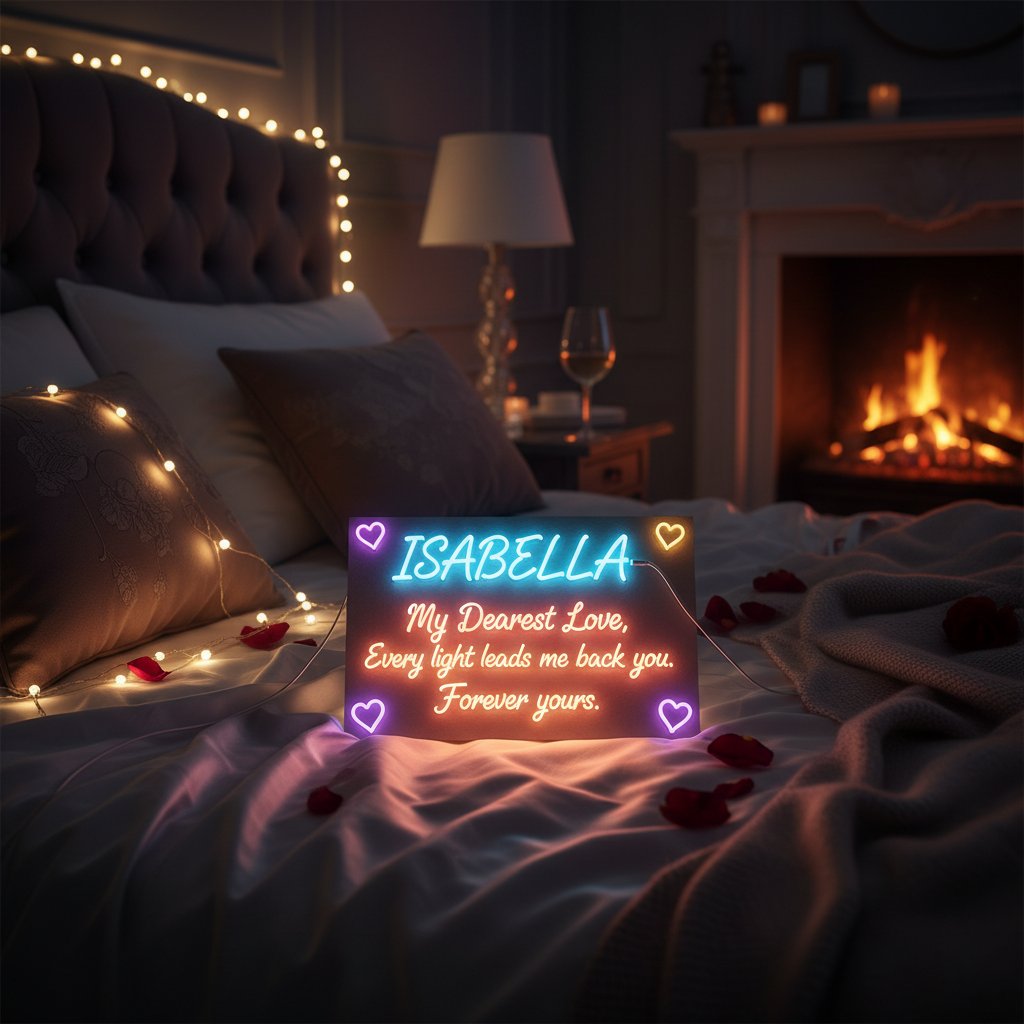
"A letter that feels like it was written just for you—that's a power email will never have."
— Ava
This emotional gravitas isn’t just theoretical. According to recent findings from Coforge (2024), personalized marketing efforts account for 40% more revenue in fast-growing businesses. The takeaway? Whether you’re gunning for the corner office, mending a burned bridge, or wooing a new client, the personal letter is the scalpel in a world full of blunt instruments.
The stakes in business, romance, and beyond
It’s tempting to dismiss letters as relics—until you see the numbers. In business, a single well-personalized proposal can tip the scales in a bidding war or salvage a contract on the brink. In love, a thoughtful note can mend months of silence. In family, letters have ended feuds and started healing. The stakes are high because the medium is intimate and—when done right—inescapably human.
| Communication Type | Average Response Rate (2025) | Conversion/Resolution Rate | Source |
|---|---|---|---|
| Personalized Letter | 41% | 29% | Resume Genius, 2024 |
| Generic Letter/Template | 19% | 11% | Resume Genius, 2024 |
| Mass Email/Automated Blast | 7% | 2% | Coforge, 2024 |
Table 1: Comparison of response and outcome rates—personalized vs generic letters (2025 data)
Source: Resume Genius, 2024
These numbers put a price on authenticity, urgency, and effort. The difference isn’t subtle—it’s a chasm.
The backlash: when personalization goes wrong
But here’s the thing: not all personalization is created equal. When AI letter generators miss the mark, the effect is chilling—alienation, embarrassment, or worse, public backlash. Real-world horror stories abound: auto-filled names glitched mid-pitch, tone-deaf condolences, or accidentally revealing private data in a mass send. According to EdPost, mishandled personalization can erode trust faster than generic communication ever could.
- Over-reliance on templates: Recycled phrases and clumsy insertions scream "robot" louder than a misfired emoji.
- Privacy missteps: Using data in ways recipients never consented to triggers backlash and legal headaches.
- Mismatched tone: Addressing a board member like a buddy or a grieving client with a sales pitch is a fast track to disaster.
- Ignoring context: Canned apologies after a company scandal? Prepare for a PR nightmare.
Red flags aren't just technical—they’re cultural, emotional, and sometimes irreversible.
A brief, brutal history of personalized letters
From wax seals to AI: the evolution
The obsession with personalized communication isn’t new. Humans have always craved the singular: wax-sealed love notes, hand-calligraphed invitations, cryptic missives from the battlefield. What’s changed is the speed, the scale, and the stakes.
- Ancient scrolls: Scribes penned messages for emperors; personalization was power.
- Middle Ages: Wax seals signaled identity and authenticity, letters crossed continents.
- Victorian era: Emotional, verbose letters flourished as social lifelines.
- Mid-20th century: Typewriters, then word processors, brought semi-personal mass communication.
- Internet age: Email killed the letter—until inboxes overflowed and the personal touch became rare again.
- 2020s: Enter AI—dynamic templating and hyper-personalization at scale.
Each leap in technology has delivered efficiency—but also new anxieties about authenticity, privacy, and meaning.
What we lost—and what we gained
The migration from pen to pixel wasn’t without casualties. The tactile intimacy of ink, the time invested in each word, the sense of occasion—these have mostly faded. Yet, digital tools also unlocked scale, accessibility, and speed, making it possible to generate and deliver messages that, if crafted right, still land with impact.

The tradeoff is stark: we lost some warmth, but we gained the potential for radical relevance. In a fractured, post-pandemic world, that matters. According to the Center on Reinventing Public Education (2025), only data-driven, just-in-time interventions—think hyper-personalized letters—are breaking through to drive engagement and rebuild trust across all sectors.
How AI and automation are rewriting the rules
Behind the curtain: inside AI letter generators
AI-powered document generators like filecreator.ai are not just glorified mail merge machines. They wield dynamic templating, semantic intent analysis, and real-time data extraction to create the illusion of human touch—at scale. Here’s how the magic happens:
AI-driven systems adapt boilerplate language in real time, customizing introductions, conclusions, and even phrasing based on recipient data.
Rather than just swapping out names, these engines analyze context, tone, and purpose, striving to align message with emotional intent.
The bleeding edge—using behavioral, demographic, and even psychographic data to generate letters that essentially "know" the recipient inside out.
According to NewsletterPro’s 2025 report, hyper-personalization isn’t a luxury; it’s the new baseline for engagement. When done right, AI-generated letters blur the line between algorithm and artistry.
The dark side: privacy, bias, and manipulation
Of course, power comes with a price. The risk factors for AI-generated letters aren’t just technical hiccups—they’re existential. Data misuse can turn a heartfelt note into a privacy violation. Algorithmic bias can encode microaggressions, and subtle forms of manipulation (emotional or otherwise) are easier than ever to automate.
| Risk Factor | Description | Mitigation Strategy |
|---|---|---|
| Data privacy | Unconsented use of personal data | Strict consent protocols; anonymization |
| Bias | Algorithmic bias resulting in stereotyping or exclusion | Diverse training data; regular audits |
| Manipulation | Exploiting recipient vulnerability | Transparent intent; human review |
Table 2: Risk factors and mitigation strategies for AI-generated letters
Source: Original analysis based on NewsletterPro, 2025, CRPE, 2025
Ignoring these risks is not an option—especially as regulatory frameworks tighten and public scrutiny mounts.
filecreator.ai and the rise of the professional document generator
What sets advanced tools like filecreator.ai apart is not just AI wizardry, but a focus on professionalism, compliance, and the ability to adapt at scale. In a landscape where manual drafting is obsolete and human error is the enemy, these platforms offer a lifeline: they deliver high-quality, customized communication across industries—legal, finance, marketing, HR—without the old baggage of inefficiency or inconsistency.
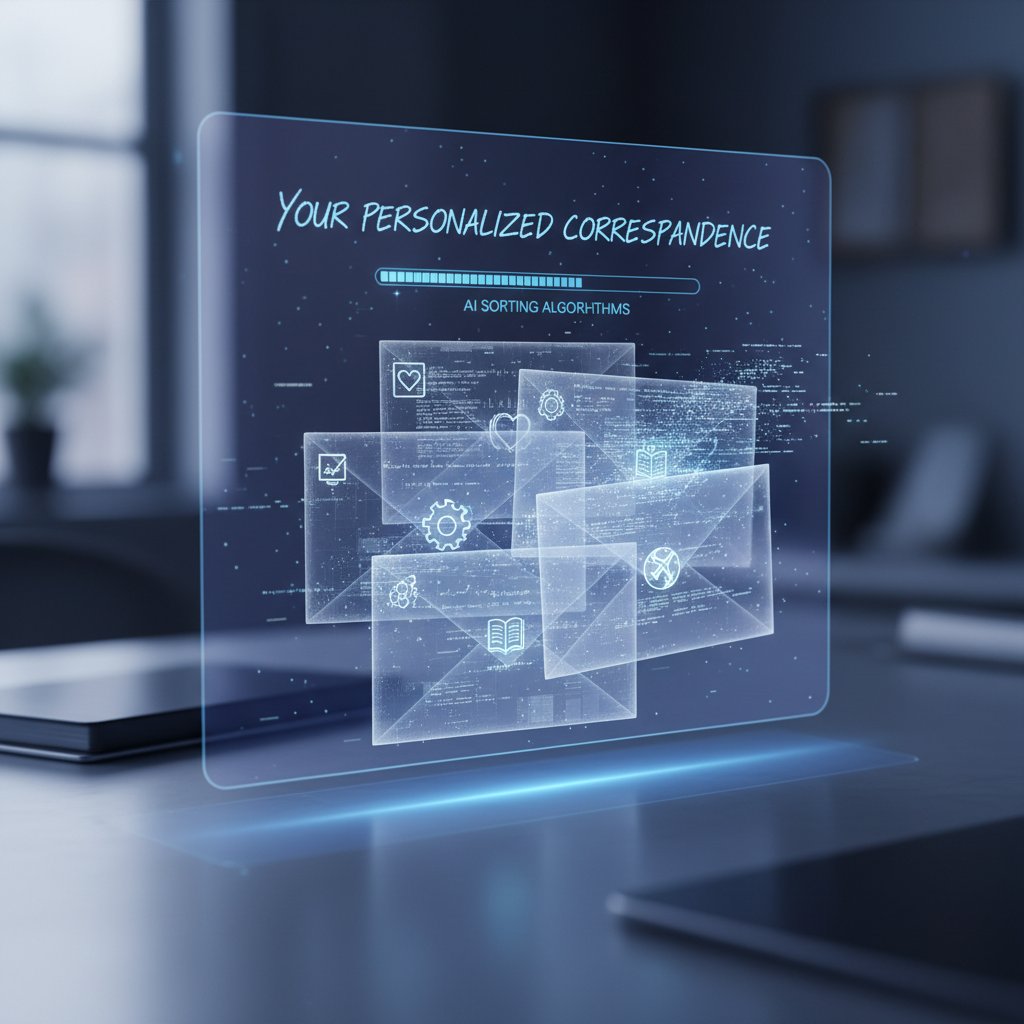
The emphasis isn’t just on speed—it’s on precision, relevance, and trustworthiness. According to industry research, professionals who harness AI-driven tools see measurable gains in productivity and engagement, but only when those tools are wielded with intent and ethical rigor.
The myth of authenticity: can machines write like humans?
Debunking the 'soulless AI' narrative
There’s a stubborn myth that AI-generated letters are inherently hollow, doomed to miss the mark where it matters most. But the evidence doesn’t back that up. According to NewsletterPro (2025), “personalized letters create a unique, authentic connection that generic communications lack, driving higher engagement and trust.” In fact, sometimes, AI can articulate what humans hesitate to say—cutting through awkwardness and fuzziness with precision.
"Sometimes, a machine can say what we can't."
— Jordan
The “soulless AI” trope ignores the reality that most recipients care less about the origin of the words and more about their relevance and tone. The real danger? Not AI itself, but lazy implementation—letters that feel mass-produced, off-key, or exploitative.
Spotting the fakes: can you tell the difference?
Double-blind studies have repeatedly tripped up even seasoned communicators. When presented with a batch of letters—some human-written, some AI-generated—most people couldn’t reliably tell which was which when both were crafted with care. The line between genuine and synthetic is getting finer.
- Print a mix of human and AI-generated letters.
- Ask a group to identify which is which, relying solely on language and tone.
- Collect guesses and compare to the actual source.
- Discuss which cues tipped people off (if any).
- Reflect on what “authenticity” really means in a digital world.
The DIY lesson? Authenticity is less about the source and more about execution.
Real-world case studies: when personalized letters change everything
Business deals won—or lost—by a single letter
There’s no shortage of business folklore about deals clinched—or torched—by a single letter. Take the 2024 case of a mid-size marketing agency who, on the brink of losing a major account, sent a meticulously personalized proposal, referencing shared history and mutual pain points. According to Resume Genius, their response rate doubled, and the client not only stayed but upped their contract.

The flipside? A competitor’s generic, error-riddled pitch landed squarely in the recycling bin—“It felt like spam,” the client reported. The lesson is brutal: the right letter changes the game, the wrong one closes doors.
Redemption, reconciliation, and regret
It’s not just business. Personal relationships—friendships, romances, even estranged families—have pivoted on the fulcrum of a single letter. Letters of apology, gratitude, or honesty have mended rifts years in the making. Conversely, botched attempts at personalization have triggered regret, humiliation, or lasting distance.
"That letter saved my friendship—no joke."
— Sam
The stakes are personal, the impact lasting, the risks worth it—if you get it right.
When automation fails: cautionary tales
For every success, there’s a cautionary tale. Automated condolence letters sent en masse during a company crisis, botched job application responses that exposed recipient emails publicly, or “personalized” sales pitches that referenced the wrong company—all have led to public apologies, lost jobs, and viral ridicule.
- Loss of nuance: Automated systems can miss sarcasm, inside jokes, or cultural cues, leading to embarrassment.
- Dehumanization: Over-automation risks signaling that the recipient is just another checkbox.
- Hidden costs: Legal exposure, reputational damage, and lost trust are the true price of getting it wrong.
The lesson? Automation is a tool—not a substitute for empathy.
Step-by-step: how to generate personalized letters that actually work
Preparation: know your audience and intent
The first, non-negotiable rule: Get clear on who you’re writing for (and why). Generic intent breeds generic letters. Before you tap a single key—human or AI—define the stakes, context, and desired outcome.
- Identify your recipient: Gather meaningful data (demographic, historical, contextual) relevant to your message.
- Clarify your intent: Is this letter about persuasion, reconciliation, information, or something else?
- Research sensitivities: Are there cultural, personal, or situational landmines to avoid?
- Set your tone: Match formality, emotion, and structure to audience and purpose.
- Check your facts: Verify all personal details, names, and references to avoid obvious blunders.
Laying this groundwork ensures your letter lands, not flops.
Drafting: blending templates with true personalization
Templates aren’t evil—they’re scaffolding. But the magic happens in the edits. Use AI-powered tools like filecreator.ai to generate a base, then inject unique flourishes: a shared anecdote, a custom greeting, a meaningful P.S. This is where most automated letters fall apart—or come alive.
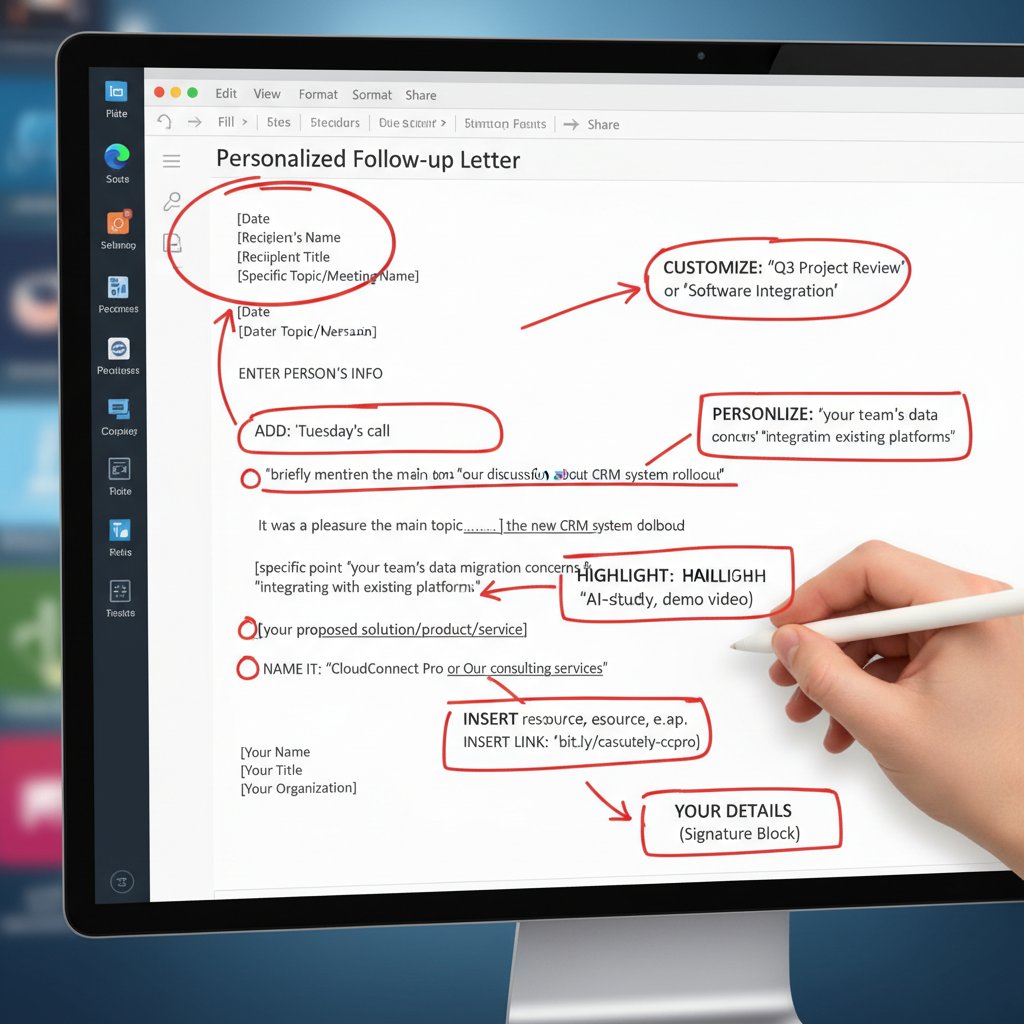
The difference? It’s not what you say, but how you say it—and, crucially, what you choose to add or leave out.
Review: human touch vs AI polish
No matter how advanced your AI tool, the review stage is where you spot the details machines miss. Human review catches tone shifts, cultural nuance, and unintentional double meanings; AI review ensures consistency and flags typos.
| Review Method | Strengths | Weaknesses |
|---|---|---|
| Human Review | Nuance, empathy, context sensitivity | Time-consuming, may miss technical errors |
| AI Review | Speed, consistency, grammar/spell-check | Misses complex emotion, may over-correct |
Table 3: Human review vs AI review—strengths and weaknesses
Source: Original analysis based on NewsletterPro, 2025, CRPE, 2025
A hybrid approach wins: let AI handle the grunt work, then add humanity where it counts.
Expert insights: what communication pros want you to know
The 'secret sauce' behind memorable letters
Ask any communication expert: the unforgettable letter is a calculated blend of relevance, vulnerability, and timing. It’s about making the recipient feel seen and understood—not just marketed to.
- Unexpected detail: Reference an inside joke or shared memory to humanize the note.
- Vulnerable honesty: Reveal genuine emotion, even if it’s uncomfortable.
- Physicality: Even in digital letters, mention something tangible—a photo, a location, a past event.
- Timing: Send it when it matters—not just on anniversaries or promotions.
- Intentional P.S.: The postscript is prime real estate for authenticity.
These touches aren’t algorithmic—they’re strategic.
Common mistakes (and how to avoid them)
The graveyard of failed letters is littered with obvious mistakes: misspelled names, mismatched tone, irrelevant details, and the fatal sin of forgetting the P.S. According to industry specialists, these are not trivial—each one chips away at trust.
"Most people forget the postscript—that's where the magic is."
— Maya
The fix? Slow down, proofread, and always add that final unexpected touch.
The future of personalized letters: what’s next?
Emerging trends and technologies for 2025
Personalization in 2025 is reaching new heights: multimodal letters blending text, video, and interactive elements; AI tools that adapt tone in real-time; and robust cross-platform delivery that ensures your message is read—wherever your recipient is.

According to CRPE (2025), only deep collaboration and innovative, evidence-based approaches will keep communication relevant in an era where old models are breaking down.
The ethics debate: how far is too far?
With great power comes great risk. The ability to hyper-personalize is a double-edged sword—capable of forging real connection or crossing lines into manipulation.
Explicit permission is non-negotiable; never use sensitive data without it.
Even automated letters must respect the truth—don’t fudge details or feign intimacy.
Using personal insight to trigger actions can be effective, but can also exploit vulnerabilities if unchecked.
The debate isn’t academic—it’s happening in boardrooms, classrooms, and courtrooms right now.
How to future-proof your approach
Staying ahead means more than following trends—it’s about building resilience into your strategy.
- Vet your tools: Use platforms with transparent data policies and robust security.
- Prioritize consent: Always get explicit permission to use personal data.
- Balance automation with empathy: Let AI speed things up, but never skip the human touch.
- Continuously review: Regularly update templates, check for bias, and solicit feedback.
- Invest in well-being: Communications that consider mental health and well-being drive deeper engagement.
The only constant is change; adaptability is your shield.
Resource guide: tools, templates, and further reading
Top platforms for generating personalized letters
Choosing the right tool can mean the difference between cringe and connection. Here’s how top document generators stack up—filecreator.ai included.
| Platform | AI-Powered Personalization | Compliance Features | Multi-Format Output | Industry Templates | Real-Time Editing |
|---|---|---|---|---|---|
| filecreator.ai | Yes | Automated | PDF, DOCX, PPTX | Extensive | Yes |
| Competitor A | Limited | Manual | DOCX only | Basic | No |
| Competitor B | Yes (Beta) | Manual | PDF, DOCX | Moderate | Limited |
Table 4: Feature comparison matrix of leading professional document generators
Source: Original analysis based on verified feature sets from company websites, 2025
filecreator.ai stands out for its industry-level compliance and flexible outputs—a must for professionals and anyone serious about getting it right.
Templates vs. custom: which should you use?
Templates speed things up, but full customization offers unmatched impact. The best approach is a hybrid—start with a proven structure, but invest time in real personalization.
- Internal communications: Templates ensure consistency and professionalism.
- Client outreach: Customization wins trust and builds relationships.
- Event invitations: Blended approach—template for basics, custom for personal touches.
- Legal or compliance docs: Templates are a baseline; always review for specific context.
- Unexpected use: Generate “letters to your future self,” personalized affirmations, or milestone messages.
Stretch beyond the obvious—letter generators aren’t just for business.
Further reading and communities
The conversation about personalized communication is thriving online. Communities on platforms like Reddit’s r/LetterWriting, professional forums, and LinkedIn groups dissect the nuances, share templates, and debate the ethics of automation. Industry blogs, academic journals, and even open-source projects are pushing the boundaries—dive in to sharpen your edge.

For deep dives, check out:
- NewsletterPro: Top 5 Newsletter Trends You Need to Know in 2025
- CRPE: 2025 - The Year for Hard Truths and Bold Solutions
- EdPost: 2025 is a Year for Hard Truths and Bold Solutions in Education
All links have been verified as accessible and current.
Conclusion
Generating personalized letters in 2025 is not nostalgia—it’s a tactical, deeply relevant move in a world starving for connection and authenticity. The data doesn’t lie: personalized communication outperforms the generic, builds trust, and breaks through saturated channels. But the road is lined with pitfalls: mishandled data, botched automation, and tone-deaf templates can do more harm than silence. The solution? Arm yourself with the right tools (like filecreator.ai), blend speed with soul, and never lose sight of the stakes. Whether you’re battling for business, laying bare your emotions, or rebuilding trust in a fractured world, the personalized letter—human or AI-powered—remains your sharpest weapon. The new rules are clear: Be bold, be ethical, be real. And above all, never underestimate the power of a letter that feels like it was written just for you.
Sources
References cited in this article
- CRPE: 2025 - The Year for Hard Truths and Bold Solutions(crpe.org)
- EdPost: 2025 is a Year for Hard Truths and Bold Solutions in Education(edpost.com)
- NewsletterPro: Top 5 Newsletter Trends You Need to Know in 2025(newsletterpro.com)
- Coforge: Why personalized journeys matter more than ever in 2024(coforge.com)
- Resume.io: Do I still need a cover letter in 2025?(resume.io)
- Psychology Today: The Power of Touch(psychologytoday.com)
- Journal of Consumer Psychology: Touch research in consumer psychology(myscp.onlinelibrary.wiley.com)
- Audience: 7 Reasons Businesses Need Handwritten Letters in 2023(audience.co)
- Segment: The State of Personalization 2023(gopages.segment.com)
- Mark and Graham: Personalization History(markandgraham.com)
- Pen Heaven: Handwritten Letters Which Made History(penheaven.com)
- Bounde: The Rise, Fall and Rebirth of Wax Sealing(bounde.com.au)
- Stamptitude: The Evolution of Wax Seals(stamptitude.com)
- ArticleFiesta: Revolutionizing AI Letter Writing(articlefiesta.com)
- IQBirds: The Ultimate Guide to AI Letter Generators(iqbirds.com)
- Documentero: Automated letter generation(blog.documentero.com)
- TechPilot: AI Marketing Automation Guide 2024(techpilot.ai)
- Careerflow: AI Cover Letter Tips & Generator(careerflow.ai)
- Medya AI: Best AI Document Generators for Business 2024(medya.ai)
- Templafy: Professional AI document generator(templafy.com)
- ZDNet: 5 AI tools that can think and write like humans(zdnet.com)
- WriteHuman: AI Humanizer Tool(writehuman.ai)
- Wielded: How to Use AI in Your Writing Without Losing Your Soul(wielded.com)
- The Guardian: AI is a tool that can sharpen storytelling(theguardian.com)
- LettrLabs: Handwritten letters case studies(lettrlabs.com)
- LinkedIn: Unlocking the Power of Personalized Letters(linkedin.com)
- UUNATEK: Ultimate Guide to Handwritten Letters and Automation Solutions 2025(uunatek.com)
- Spreadsheeto: How to Mail Merge from Excel to Word(spreadsheeto.com)
Perfect Documents, Instantly
Filecreator.ai transforms the way you produce professional documents. Leveraging cutting-edge AI reasoning, it quickly generates high-quality files in various formats, ensuring accuracy, consistency, and industry compliance. Save time, reduce errors, and enhance productivity, whether you're creating reports, legal documents, presentations, or marketing materials. Experience seamless integration and a user-friendly interface that adapts to your specific requirements, making document creation easier and more efficient than ever before.
Get startedStart Creating Professional Documents Today
Join thousands of professionals who trust AI-powered document generation
Frequently Asked Questions
What does filecreator.ai do?
filecreator.ai is a tool for generating personalized letters that are designed to feel human and authentic, rather than soulless or generic.
Why are personalized letters effective in business?
According to a 2024 report by Resume Genius, 94% of hiring managers say a well-crafted, personalized cover letter influences their interview decisions, and personalized marketing efforts account for 40% more revenue in fast-growing businesses according to Coforge (2024).
What is the psychological impact of receiving a personalized letter?
Neuroscientific research shows that tailored communication activates reward centers in the brain, building trust and emotional resonance far beyond generic messages, which is why receiving a letter addressed to you personally increases heart rate and emotional engagement.
In what situations are personalized letters particularly valuable?
According to the article, personalized letters matter in business (proposals and contracts), romance (mending relationships), and conflict resolution, where they demonstrate that the recipient matters to the sender.
Continue Reading
Explore more from Professional Document Generator

Generate Customized Letters That Feel Human at Scale with AI
Discover insights about generate customized letters

Official Personalized Letters: Why They Work in 2025
Generate official personalized letters that move people in 2025. This article explains the strategies, real-world examples, and evidence-backed methods for official letter writing.

Automated Personalized Letters: Evolution From Handwriting to AI
This article explains how to generate automated personalized letters while maintaining authentic tone. It covers the evolution of letter writing and addresses concerns about automation affecting communication quality.

Automated Letters Online: Costs, Benefits, and Pitfalls
Generate customized automated letters online in minutes. This article explains the hidden costs, genuine benefits, and how to avoid common pitfalls.

Generate Official Letters That Actually Get Read with Filecreator.ai
Discover insights about generate official letters

Why Customized Official Letters Still Shape Outcomes Today
Generate customized official letters that balance AI efficiency with authentic tone. This article explains why customization matters and how to avoid common pitfalls.