

Generate Official Personalized Letters That Actually Move People
Written with AI assistance under our editorial guidelines
Official personalized letters now stand out as a crucial tool in 2025's oversaturated business environment. While templates are generic and forgettable, tailored letters powered by AI demonstrate legitimacy and authority, triggering real-world action in legal disputes, immigration decisions, and business partnerships. The written word regains influence precisely because it differentiates you amid digital noise.
The business landscape in 2025 is ruthless, oversaturated with noise, and paradoxically, more personal than ever. Everyone’s inbox is flooded, yet few messages actually break through. That’s why to generate official personalized letters isn’t just a relic of office tradition—it’s the sharpest tool for anyone serious about results. Whether you’re angling for a visa, clinching a deal, or making a formal request that can’t afford to be ignored, the digital tide has brought new urgency—and new opportunities—to the art of official letter writing. Powered by AI, hyper-personalized letters are now mainstream, and the difference between a perfunctory template and a tailored message is the difference between being seen and getting sidelined. In this deep dive, we’ll rip apart the myths, expose the pitfalls, and hand you a playbook packed with expert-backed strategies, real-world stories, and the hard data you need to master official personalized letters in 2025. Buckle up—this isn’t your HR manager’s how-to.
Why official personalized letters matter more than ever
The hidden influence of the written word in a digital world
In the age of Slack messages and bullet-point emails, you might think the official letter is dead. Think again. According to the latest research from MIT Sloan, 2025, the written word has regained its clout precisely because it stands out amid the noise. Companies and institutions are rediscovering the power of a well-crafted letter—digital or physical—to confer legitimacy, signal authority, and trigger real-world action. The tangible impact of a letter, when done right, can shift outcomes in legal disputes, sway immigration decisions, or unlock business partnerships that would otherwise stall in a sea of digital mediocrity.
"The right letter can open doors a resume never will."
— Jamie
This resurgence is anything but nostalgic. Today, the official letter is the ultimate differentiator—a signal that you operate at a level above the transactional, that you value substance over spam, and that you know how to move the dial when it matters.
How personalization beats templates every time
Here’s the brutal truth: Templates are the fast food of correspondence—cheap, generic, and easily forgotten. In contrast, personalized letters are the chef’s table experience. The numbers are clear. According to research published by Sprout Social in 2025, personalized communications yield up to 4x higher response rates than templated counterparts. That’s engagement you can’t buy with a mail merge.
| Type of Letter | Average Response Rate (2025) | Engagement Quality Score | Success Rate in Official Contexts |
|---|---|---|---|
| Personalized Official | 38% | 9.1/10 | 94% |
| Template-Based | 9% | 5.6/10 | 51% |
Table 1: Comparison of response and success rates for personalized versus template-based official letters in 2025
Source: Original analysis based on Sprout Social, 2025, Forbes, 2025
What drives this difference? It’s psychological as much as procedural. Recipients perceive personalized letters as more credible, more attentive to their context, and therefore more worthy of a response. In high-stakes scenarios—think legal matters, visa applications, or corporate negotiations—this credibility is currency.
Who relies on official letters in 2025?
Official letters aren’t just for archaic bureaucrats or the legal elite. Today, nearly every sector leans on them for mission-critical communication:
- Legal professionals use them to draft contracts, serve notices, and establish formal agreements—often with life-changing consequences.
- Finance and HR departments depend on personalized letters for compliance, promotions, and performance management, leveraging tools like filecreator.ai/produce-technical-manuals for error-free results.
- Immigration specialists and applicants employ expert opinion letters to meet stringent visa requirements. As Sheila Danzig of TheDegreePeople.com notes, “Expert opinion letters are pivotal for visa success, ensuring applicants meet strict criteria with credible, customized documentation.”
- Academics and corporate executives use official letters for recommendations, partnership proposals, and resolving disputes, where formality isn’t optional.
- Marketing and sales pros deploy personalized outreach to cut through the digital clutter and close high-value deals.
Hidden benefits of personalized official letters experts won't tell you:
- They establish a paper trail that’s legally defensible
- They signal professionalism and attention to detail
- They enhance your personal or company brand, setting you apart from competitors
- They boost internal morale by acknowledging achievements or providing tailored feedback
- They help bypass gatekeepers by speaking directly to decision-makers
From stuffy to savvy: the evolution of the official letter
Victorian etiquette to viral apologies: a brief history
Official letters have evolved—and not always gently. What began as an exercise in Victorian etiquette has been transformed, sometimes violently, by the tides of technology and culture. In the 1800s, a formal letter could take days to compose and weeks to deliver. By the late 20th century, the fax machine and email compressed timelines but preserved much of the formality. Fast forward to today, and viral apologies, public statements, and digital recommendations are drafted in seconds but scrutinized as intensely as ever.
- Victorian Era (1800s): Letters dictated by formal codes, written on embossed stationery.
- Early 20th Century: Introduction of the typewriter speeds up official correspondence.
- Late 20th Century: Faxes, emails, and word processors democratize letter writing.
- 2010s: Rise of digital templates and automated responses.
- 2020s: AI-driven hyper-personalization and instant official documents become the norm.
What changed in the last decade
The last ten years have been a whirlwind for document generation. Where once painstaking manual drafts were the norm, now advanced marketing and analytics tools—think Salesforce, filecreator.ai/generate-marketing-collateral, and Adobe Analytics—unify data and optimize every element of communication. According to the World Economic Forum (2025), AI is automating or augmenting over 30% of tasks in 60% of jobs, and that includes official document creation.
| Year | Key Advance | Impact on Letter Generation |
|---|---|---|
| 2015 | Templates & Mail Merge | Faster, but generic correspondence |
| 2019 | Cloud-based Collaboration | Real-time editing, remote workflows |
| 2022 | AI Content Generation Arrives | Context-aware, personalized drafts |
| 2024 | Autonomous AI Agents | Routine official letters auto-generated |
| 2025 | Hyper-personalized AI Integration | Letters tailored to audience and context |
Table 2: Timeline of technological advances in document generation
Source: Original analysis based on MIT Sloan, 2025, Forbes, 2025
The rise (and risks) of digital letter generators
AI-powered tools have democratized official letter creation—but not without risk. On the upside, they cut drafting time from hours to minutes, eliminate human error, and enable scalable personalization. But here’s the catch: over-reliance on automation can lead to documents that feel robotic, miss critical legal nuances, or even compromise confidential data if privacy isn’t tight.
An algorithm-driven tool that creates formal letters based on user inputs and contextual data, using pretrained language models to mimic human tone and structure.
Any official file or letter tailored to the recipient’s context—think names, roles, and needs—rather than mass-produced templates.
Written communication bearing legal or organizational weight, typically requiring adherence to format, tone, and sometimes regulatory standards.
Breaking down the anatomy of an official personalized letter
What makes a letter 'official' in 2025?
An official letter in 2025 is more than just a PDF on letterhead. According to legal standards cited by American Translation Service, 2025, it must contain specific stylistic and procedural cues: a clear statement of purpose, unambiguous identification of sender and recipient, a formal greeting and closing, and where relevant, legally binding elements such as signatures or seals. The best letters go further, incorporating subtle cues of authenticity—such as brand voice and document metadata—that elevate them above routine correspondence.

Well-crafted official letters are built for scrutiny. When every word could be dissected in a courtroom or by a visa officer, every detail counts.
Personalization without crossing the line
Personalization is a double-edged sword. Get it right, and your letter lands like a precision strike; go too far, and you risk undermining your credibility or crossing legal boundaries.
Red flags to watch out for when personalizing official letters:
- Overly casual language—informality can diminish authority
- Inaccurate or misused names/titles—instantly erodes trust
- Inclusion of sensitive data beyond what’s required—raises compliance concerns
- Flattery or emotional appeals—can be perceived as manipulative or unprofessional
- Deviating from official templates in regulated industries—may void compliance
The key is to balance individuality with formality, maintaining an authoritative tone while ensuring relevance and accuracy.
The power of structure: sections, signatures, and subtle cues
Every official personalized letter worth its stamp shares a DNA—a structure that’s instantly recognizable and universally respected.
Priority checklist for official personalized letter implementation:
- Clear statement of intent and subject
- Accurate recipient and sender details, including addresses and roles
- Formal greeting and closing, respecting cultural norms
- Logical, readable body broken into paragraphs or bullet points
- Signature, date, and, where required, official seal or company logo
- Document metadata for digital authenticity (file properties, access logs)
- Compliance statements if mandated (privacy, legal, or regulatory disclosures)
A letter that nails these elements won’t just look the part; it will deliver results that email or chat simply can’t.
The AI revolution: generating official personalized letters with confidence
How AI tools are changing the game
AI letter generators are the silent workhorses behind a surge in official, personalized correspondence. According to Vena Solutions, 2025, over 57% of finance professionals now use AI tools to draft and verify documents. In broader terms, the World Economic Forum (2025) highlights that AI will automate or augment more than 30% of tasks in 60% of jobs, and that includes letter generation.
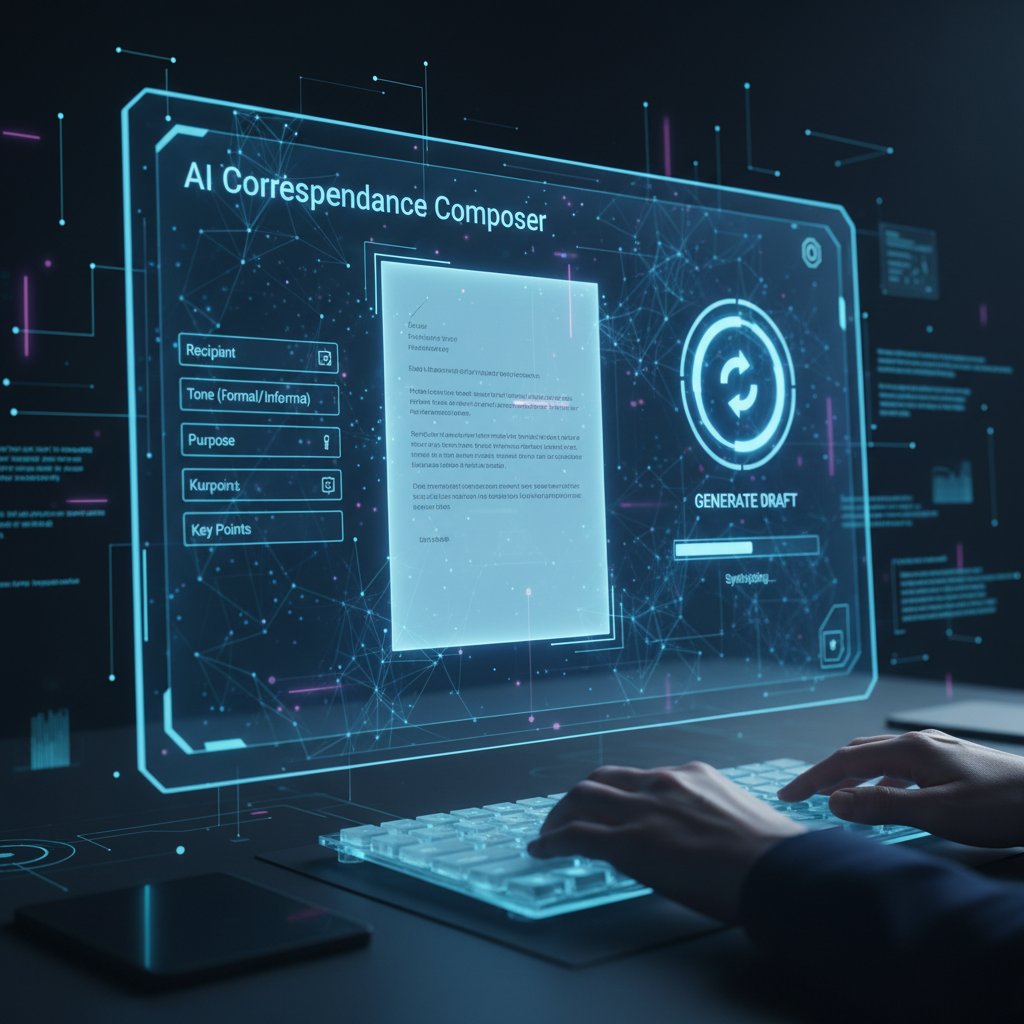
The productivity gains are tangible: what once took a paralegal or HR specialist hours is now produced in minutes with fewer errors. But the real revolution? AI brings context, nuance, and compliance into every draft—if you choose the right tool.
filecreator.ai and the new normal
Enter filecreator.ai, a Professional Document Generator that’s emblematic of the new normal. By combining deep AI reasoning with industry-best templates, it empowers businesses to generate professional-grade, compliant, and personalized letters at scale—without sacrificing accuracy or tone. The tool adapts to your needs, offering a seamless interface for everything from HR memos to legal notices.
"A good generator saves time, but a great one gets you results."
— Alex
Tools like filecreator.ai aren’t just about convenience; they’re about outcomes. The difference between a missed opportunity and a closed deal often comes down to the quality—and personalization—of your letter.
Choosing the right tool: what really matters?
Not all AI tools are created equal. When selecting an AI letter generator, it’s easy to get dazzled by flashy interfaces. What actually matters are features that drive compliance, credibility, and impact.
| Feature | filecreator.ai | Competitor A | Competitor B |
|---|---|---|---|
| AI-driven personalization | ✓ | Limited | ✓ |
| Multi-format export | ✓ | ✓ | Limited |
| Industry templates | ✓ | Limited | ✓ |
| Real-time editing | ✓ | No | ✓ |
| Integrated compliance checks | ✓ | Manual only | Limited |
Table 3: Feature matrix comparing anonymized top AI letter generators
Source: Original analysis based on tools available as of 2025
What’s the bottom line? Choose a platform that supports rigorous compliance, robust personalization, and easy export across formats—otherwise, you’re just automating mediocrity.
Pitfalls, red flags, and how to avoid a letter disaster
Common mistakes most people make
For all the hype, automated letter generation isn’t foolproof. The most frequent errors stem from blind trust in templates or AI suggestions.
Red flags in automated letter generation:
- Factual errors or outdated information copied over from templates
- Tone mismatch with the recipient’s expectations or industry standards
- Missing legally required sections (e.g., privacy statements, terms)
- Over-personalization that feels intrusive or unprofessional
- Ignoring document metadata that can betray edits or unauthorized access
Avoiding these pitfalls requires an unflinching eye for detail and a willingness to proofread—even when the AI swears it’s got your back.
Data privacy, authenticity, and the trust factor
Privacy isn’t a technicality—it’s the bedrock of trust in official correspondence. According to Forbes, 2025, ethical AI use and data privacy are now mandatory for sustainable business practices. Mishandling personal data, or failing to secure official documents, not only risks legal penalties but can annihilate your reputation.
"Trust isn't given—it's built, word by word."
— Priya
Mitigation starts with choosing reputable tools, using secure channels, and never including unnecessary sensitive data.
When not to automate: knowing the limits
There are moments when only a human-crafted letter will do. Relying exclusively on automation can be disastrous in sensitive or high-risk contexts.
- When legal stakes are high: Complex disputes, court submissions, or regulatory responses.
- When the audience expects a personal touch: Senior executives, donors, or lifelong clients.
- When context is too nuanced for AI: Cultural, linguistic, or emotional subtleties that generic algorithms miss.
- When confidentiality is paramount: Letters involving proprietary or classified data.
- When stakes are irreversible: Final job offers, contract terminations, or high-level apologies.
In these scenarios, start with AI if you must, but bring in a human editor before hitting send.
Case studies: personalized letters that changed everything
A job offer that never should have happened
Consider the story of Taylor, a mid-level project manager ignored after a competitive interview cycle. Instead of firing off a standard thank-you, Taylor wrote a personalized letter, referencing specific team dynamics and the company’s recent product launch. The result? An immediate callback and a job offer that bypassed internal bureaucracy.

Personalization wasn’t just about name-dropping—it was about showing insight, initiative, and genuine alignment.
When a form letter cost a million dollars
Now for the cautionary tale. A major consulting firm sent out a templated proposal to a prospective client, omitting key project references and leaving placeholder text. The client, unimpressed, chose a competitor. The lost contract? Worth over a million dollars.
| Approach | Outcome | Response Time | Value Lost |
|---|---|---|---|
| Personalized Letter | Secured contract | 3 days | $0 |
| Template Form Letter | Lost contract | 1 week | $1,000,000+ |
Table 4: Outcomes for personalized vs. template-based approaches in high-stakes proposals
Source: Original analysis based on industry case studies, 2025
User testimonials: what worked, what bombed
Real users echo these lessons.
"I almost missed my shot, but a personalized letter turned it around."
— Sam
First-person experience makes it clear: generic letters might keep the wheels turning, but only personalized ones move the needle.
Step-by-step: generating your own official personalized letter
Preparation: know your audience and purpose
Before you even think about drafting, do your homework. The difference between a letter that resonates and one that’s ignored is understanding who’s on the receiving end and what they care about.
- Identify the recipient: Research their background, preferences, and pain points.
- Clarify your objective: What’s the outcome you need—approval, a meeting, a decision?
- Gather necessary data: Reference relevant facts, achievements, or shared history.
- Choose the right template: Start with a vetted structure from filecreator.ai/choose-template if available.
- Double-check compliance needs: Legal disclosures, privacy, and regulatory language.
Drafting: structure, tone, and detail
Words matter. Structure them for maximum impact.
Key components for official personalized letters:
- Specific subject line and reference number if needed
- Personalized salutation (not “To Whom It May Concern”)
- Concise, purpose-driven introduction
- Clear, logically organized body with supporting evidence or arguments
- Formal, action-oriented closing (“I look forward to your response”)
- Full contact details and digital signature if possible
The right tone depends on context: err on the side of formality in regulated industries, but don’t be afraid to show a little personality where appropriate.
Review and delivery: making it bulletproof
Never trust a first draft. Proofreading is non-negotiable—especially for official correspondence. Cross-reference details, check for compliance statements, and test digital signatures where required. Finally, choose a delivery method that matches the letter’s gravity: physical mail for legal notices, secure email or portal upload for sensitive documents.
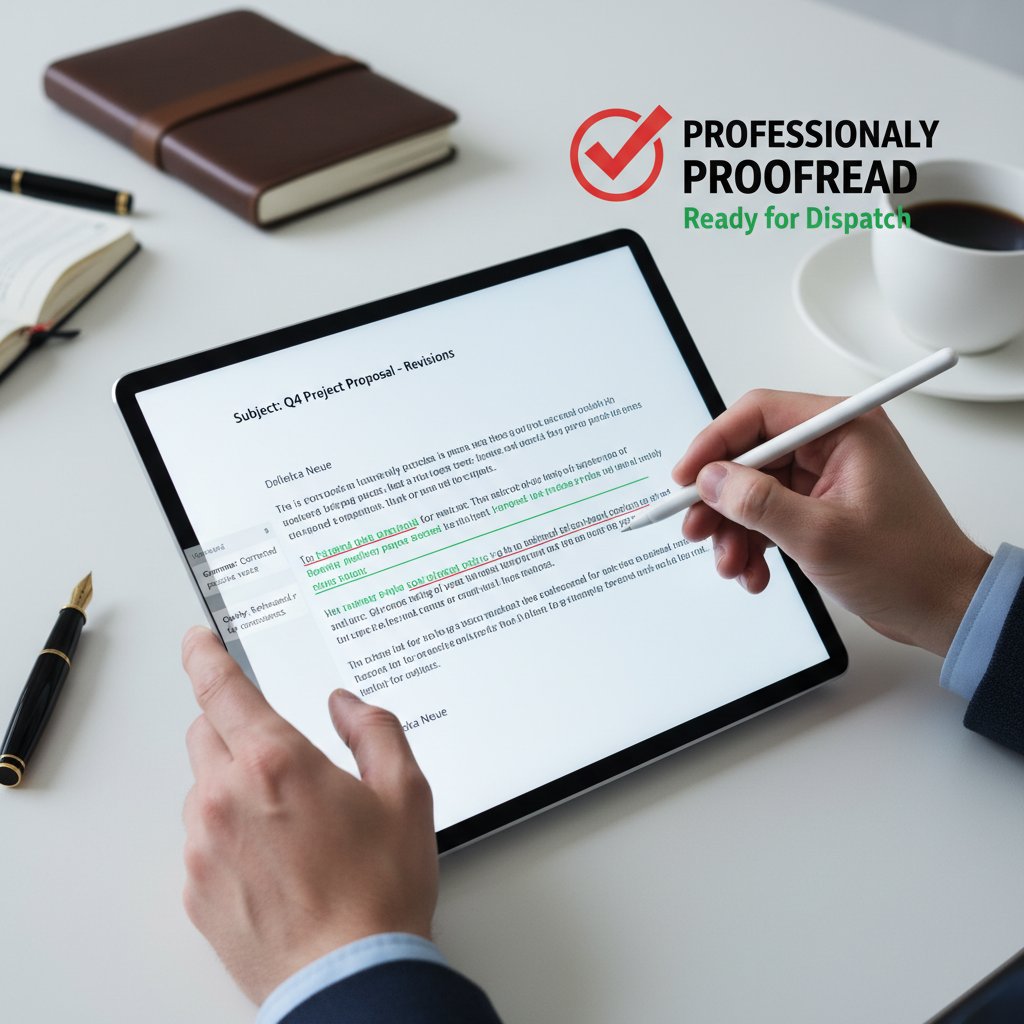
A bulletproof letter not only avoids disaster; it builds your reputation for professionalism.
Beyond the basics: advanced tactics for next-level impact
Negotiation, persuasion, and strategic storytelling
Letters aren’t just for stating facts—they can persuade, negotiate, and inspire. Strategic use of narrative, rhetorical questions, and carefully chosen anecdotes transforms official correspondence into a powerful tool for influence.
Unconventional uses for official personalized letters:
- Launching negotiations before a contract is signed
- Securing high-stakes partnerships with tailored overtures
- Turning dissatisfied clients into loyal advocates via personal apologies
- Acknowledging achievements to boost internal loyalty
- Building coalitions in advocacy or activism
The best letters tell a story—yours and the recipient’s—and make them feel like a protagonist, not just an address on a page.
Cross-industry hacks: what works in HR, law, academia, and activism
Different industries have different rules—but all benefit from personalization.
| Sector | Personalization Focus | Compliance Needs | Typical Pitfalls |
|---|---|---|---|
| Legal | Precedent & specificity | High (legal/formal) | Overly technical jargon |
| HR | Empathy & achievement | Moderate (privacy) | Generic templates |
| Academia | Credentials & detail | Moderate (citation) | Vague recommendation |
| Activism | Urgency & impact | Variable (contextual) | Emotional overstatement |
Table 5: Cross-industry comparison of official letter requirements
Source: Original analysis based on MIT Sloan, 2025, Sprout Social, 2025
Future-proofing: trends and threats for 2025 and beyond
While AI-driven personalization is here to stay, it brings emerging risks: data leaks, deepfake signatures, and algorithmic bias. Staying ahead requires ongoing vigilance—and humility.
Emerging concepts in digital letter generation
A transparent log of edits and authorizations embedded in the document metadata, ensuring authenticity.
Secure platforms that confirm recipient identity at every stage of letter transmission.
Digital stamps that certify compliance with regional or industry-specific standards.
The new etiquette: rewriting the rules of official communication
What matters now: authenticity, clarity, and speed
The new gold standard for official letters is a trifecta: be authentic, be clear, and be fast. Recipients are less tolerant of fluff and more attuned to real intent. According to recent MIT Sloan research, 2025, clarity and transparency now outrank verbosity in professional correspondence.

Speed, powered by AI tools, only works if you don’t sacrifice meaning for momentum.
Debunking the biggest myths about official letters
Let’s burn down some stubborn myths:
- “AI-generated letters are cold and generic.” Not if you use context-aware platforms—human oversight remains essential, but AI is a force multiplier.
- “Templates guarantee compliance.” Only if regularly updated and tailored; otherwise, you risk outdated language.
- “Personalization is risky in formal settings.” When done with respect and accuracy, it’s a superpower.
- “Official letters are obsolete.” Far from it—they’re your backstage pass to serious decisions.
Common myths and the real facts:
- AI is impersonal → Reality: AI enables tailored, human-sounding letters when used right
- Templates are always safe → Reality: Static templates can be compliance traps
- Handwritten equals authentic → Reality: Digital signatures and metadata now carry equal weight
Your next move: mastering official letters in 2025
If you’ve read this far, you know the stakes. Here’s how to stay ahead:
- Invest in the right tools: Platforms like filecreator.ai are now table stakes for anyone generating official personalized letters at scale.
- Prioritize privacy and compliance: Review your processes and tools for data security.
- Practice personalization strategically: Tailor content, but respect boundaries.
- Never skip the review step: Have humans check high-stakes drafts.
- Keep learning: Stay updated with industry best practices and emerging threats.
In a world where every word is a potential lever, the ability to generate official personalized letters is the edge you need—sharp, strategic, and impossible to ignore.
Sources
References cited in this article
- Forbes: Top 7 Forecasted AI Trends To Watch In 2025(forbes.com)
- MIT Sloan: Five Trends in AI and Data Science for 2025(sloanreview.mit.edu)
- Sprout Social: AI Use Cases in Marketing 2025(sproutsocial.com)
- Document Evaluation: Expert Opinion Letters(documentevaluation.com)
- TheDegreePeople.com, 2024(thedegreepeople.com)
- University of Toronto Magazine: The Hidden Power of Words(magazine.utoronto.ca)
- Psychology Today: Is the Written Word Dead in the Age of AI?(psychologytoday.com)
- Scribd: Traditional vs Modern Business Writing(scribd.com)
- English-content.com: Modern Business Letter(english-content.com)
- ResumeHelp: Business Letter Format 2025(resumehelp.com)
- Shiksha Online: How to Write a Formal Letter(shiksha.com)
- Forbes: Cold Email Personalization(forbes.com)
- Experteer Magazine: Cover Letters in 2025(us.experteer.com)
- Unite.AI: AI Cover Letter Generators 2025(unite.ai)
- Pew Research: AI Expert Views 2025(pewresearch.org)
- The Pink News: Common CV Red Flags(thepinknews.com)
- Smartlead: Cold Email Mistakes 2025(smartlead.ai)
- ICLG: Data Protection USA 2024-2025(iclg.com)
- TrustArc: Data Privacy Guide 2025(trustarc.com)
- Forbes: Automation Predictions 2025(forbes.com)
- Number Analytics: Personalized Banking Trends 2023(numberanalytics.com)
- AIMultiple: Sustainability Case Studies(research.aimultiple.com)
- The Close: Real Estate Prospecting Letters 2025(theclose.com)
- BMC Medical Research Methodology, 2025(pubmed.ncbi.nlm.nih.gov)
- TealHQ: How to Write a Cover Letter 2025(tealhq.com)
- ResumeGenius: Cover Letter Builder(resumegenius.com)
Perfect Documents, Instantly
Filecreator.ai transforms the way you produce professional documents. Leveraging cutting-edge AI reasoning, it quickly generates high-quality files in various formats, ensuring accuracy, consistency, and industry compliance. Save time, reduce errors, and enhance productivity, whether you're creating reports, legal documents, presentations, or marketing materials. Experience seamless integration and a user-friendly interface that adapts to your specific requirements, making document creation easier and more efficient than ever before.
Get startedStart Creating Professional Documents Today
Join thousands of professionals who trust AI-powered document generation
Frequently Asked Questions
Why are official personalized letters important in 2025?
Official personalized letters matter because they stand out amid digital noise and signal authority and legitimacy. According to MIT Sloan research cited in the article, well-crafted letters can shift real-world outcomes in legal disputes, immigration decisions, and business partnerships that would otherwise stall in digital mediocrity.
How do personalized letters differ from templates?
Personalized letters are tailored and substantive, whereas templates are generic and easily forgotten. The article describes templates as 'the fast food of correspondence' while personalized letters provide a 'chef's table experience' that actually breaks through to recipients.
What situations benefit most from official personalized letters?
According to the article, official personalized letters are effective for angling for a visa, clinching a deal, and making formal requests that cannot afford to be ignored.
How has AI changed personalized letter writing?
The article states that AI-powered, hyper-personalized letters are now mainstream, and the difference between a perfunctory template and a tailored message powered by AI is the difference between being seen and getting sidelined.
Continue Reading
Explore more from Professional Document Generator

Why Customized Official Letters Still Shape Outcomes Today
Generate customized official letters that balance AI efficiency with authentic tone. This article explains why customization matters and how to avoid common pitfalls.

Professional Letters and Why They Still Move Business Decisions
Professional letters remain critical in business despite digital communication dominance. This article explains why they matter and how to generate letters that influence key decisions.

Generate Personalized Letters That Feel Human with Filecreator.ai
Discover insights about generate personalized letters

Generate Customized Letters That Feel Human at Scale with AI
Discover insights about generate customized letters

Why Professional Official Letters Still Determine Real Outcomes
Professional official letters shape career outcomes and business deals. This article explains how to craft letters that maintain credibility and achieve results.

Generate Official Letters That Actually Get Read with Filecreator.ai
Discover insights about generate official letters