

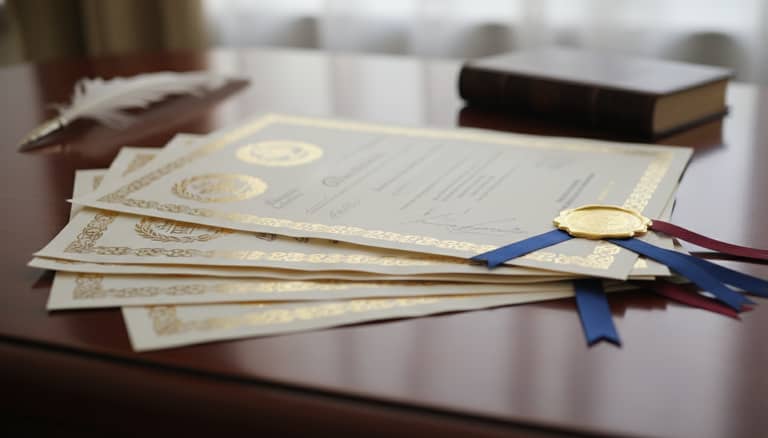
Generate Official Certificates That Actually Pass Verification
Written with AI assistance under our editorial guidelines
Official certificates prove competence and unlock opportunities across hiring, compliance, and regulatory contexts. True legitimacy requires more than templates; it demands verification mechanisms like digital signatures and blockchain authentication that withstand scrutiny. Creating certificates that pass verification means understanding institutional requirements, using secure issuance systems, and ensuring authenticity stands up to real-world validation checks.
Official certificates—those unassuming slips of paper or polished PDFs—are the silent gatekeepers of modern opportunity. Whether you’re chasing a promotion, proving compliance, or shoring up your digital identity, the command to "generate official certificates" pops up everywhere. But in 2025, where every click might birth a credential and every scammer has a Photoshop license, the line between “official” and “ornamental” is razor-thin. This is the era where authenticity is a moving target, AI and blockchain are rewriting trust, and the official stamp is as much about code as ink. If you think a fancy template is enough, or that nobody checks the details, you’re skating on thin ice. This article rips back the curtain on how to create official certificates that stand up to scrutiny—without falling into the traps that cost careers, reputations, and hard-earned peace of mind. Get ready for the game-changing truths, the risks the industry won’t advertise, and the secrets to staying ahead in the certificate arms race.
Why ‘official’ matters: more than just a stamp
The hidden power of certificates in modern society
Think of the last time you needed to prove yourself: a new job, a big contract, even access to certain services. Official certificates are the keys that unlock, or slam shut, those doors. In a hyper-credentialed world, certificates are more than bureaucratic hurdles—they are social currency, defining who gets trusted and who gets sidelined. This influence isn’t just theoretical. According to recent research, 97% of decision-makers consider certifications crucial for hiring and promotions, while 84% of individuals report that earning an official certificate boosted their satisfaction and perceived value at work (DigiCert, 2024).

From the Ivy League diploma gracing a partner’s office wall to the digital badge tacked onto a LinkedIn profile, these documents shape trust, signal competence, and fuel mobility. In the corporate world, compliance certificates are often the deciding factor for multimillion-dollar contracts or regulatory approval. In healthcare, education, and finance, a missing or rejected certificate can stall entire careers or derail critical projects. The reverberations are real: get it right, and doors open. Get it wrong, and you’re locked out.
What really makes a certificate ‘official’?
Despite the proliferation of flashy templates and quick-fix generators, true legitimacy is more than just surface gloss. An “official” certificate is defined not by appearance, but by authentication, verification, and recognized authority.
Definition list:
A document issued by a recognized authority (such as an accredited institution, government body, or certified platform) that meets strict legal and technical criteria for authenticity and validity. “Official” isn’t about pretty fonts—it’s about legal standing and recognized provenance.
The certificate’s origin and content are validated—often through signatures, seals, or digital verification—proving it hasn’t been tampered with.
The recipient, issuer, and circumstances have been checked against trusted records or systems, reducing the risk of fraud or error.
Why do these nuances matter? Because in 2025, verification is the difference between seamless onboarding and a career-derailing red flag. Digital signatures, embedded QR codes, and blockchain trails are increasingly non-negotiable for certificates to be considered “official,” especially in sectors like cybersecurity and regulatory compliance.
The cost of getting it wrong: rejection stories
The pain of using an unofficial or poorly designed certificate is more than academic. It’s personal, financial, and immediate.
"I lost a job offer because my certificate wasn’t recognized." — Alex
Stories like Alex’s are multiplying. HR departments now cross-check digital certificates against central databases; universities routinely reject transcripts missing cryptographic seals. According to a TankOilGroup report, 2025, companies caught relying on fake or unverifiable certificates risk fines, project shutdowns, and public embarrassment. The digital black market is awash with forgeries—making it imperative to get the real deal, every time.
The evolution of certificate generation: analog to AI
Historical timeline: from ink to algorithm
Certificate generation is not new. But the journey from wax seals to AI-driven issuance is a lesson in how trust shifts with technology. Centuries ago, a certificate meant a scribe’s careful script and a seal pressed into wax—laborious, rare, and easily forged by today’s standards. The digital revolution brought PDFs and online validation, but also opened up new vulnerabilities.
Timeline of certificate evolution:
- Medieval Era: Parchment documents, hand-written by scribes, sealed with wax or lead.
- Industrial Revolution: Printed certificates issued en masse for trade, education, and officialdom.
- Early 20th Century: Embossed stamps and watermarks introduced for anti-forgery.
- Late 20th Century: Carbon copies, barcodes, and serial numbers become standard.
- 1990s–2000s: Rise of digital documents—PDFs, email attachments, basic encryption.
- 2010s: Cloud-based certificate management, QR codes for instant verification.
- 2020s: AI-powered generators, blockchain-based validation, real-time IoT-enabled checks.
- 2025: Shrinking certificate lifespans (often 90 days or less), adaptive learning paths, and regulatory-driven sustainability certificates.
This relentless march is not just about efficiency; it’s about the arm’s race between security and subversion.
Why the old rules don’t apply anymore
Digital transformation has detonated the old standards. In the analog era, a certificate’s “official” status depended on physical traits—paper quality, ink, a recognizable seal. Today, machine learning algorithms sift through hundreds of data points, and authenticity hinges on cryptography, not cursive.
| Feature | Old standard (pre-2010) | New standard (2024–2025) |
|---|---|---|
| Medium | Paper | Digital/PDF, cloud-based |
| Validation | Signature/seal | Digital signature, blockchain, QR code |
| Security features | Watermark, embossing | Tamper-evident code, real-time verification |
| Lifespan | Indefinite/decades | Often 90 days or less, requires frequent renewal |
| Verification | Manual (human review) | Automated, AI-driven, centralized databases |
| Accessibility | Local/physical presence | Remote, global, instant |
Table 1: The radical shift in certificate standards.
Source: DigiCert, 2024
The upshot? If you’re still relying on “looks official” as your test, you’re a sitting duck for rejection.
Inside the new certificate factories: how AI tools changed the game
Meet the next-gen generators: a field guide
Fast, precise, and relentless—AI-powered document generators have redefined what it means to generate official certificates. These platforms, built atop machine learning and cloud infrastructure, crank out compliant certificates in seconds. The best tools don’t just fill in names; they embed digital signatures, auto-renew certificates in sync with expiration cycles, and flag any anomalies for review. According to Croma Campus, 2025, the surge in AI/ML and cybersecurity certifications is a direct response to industry demand for verifiable, tamper-resistant credentials.
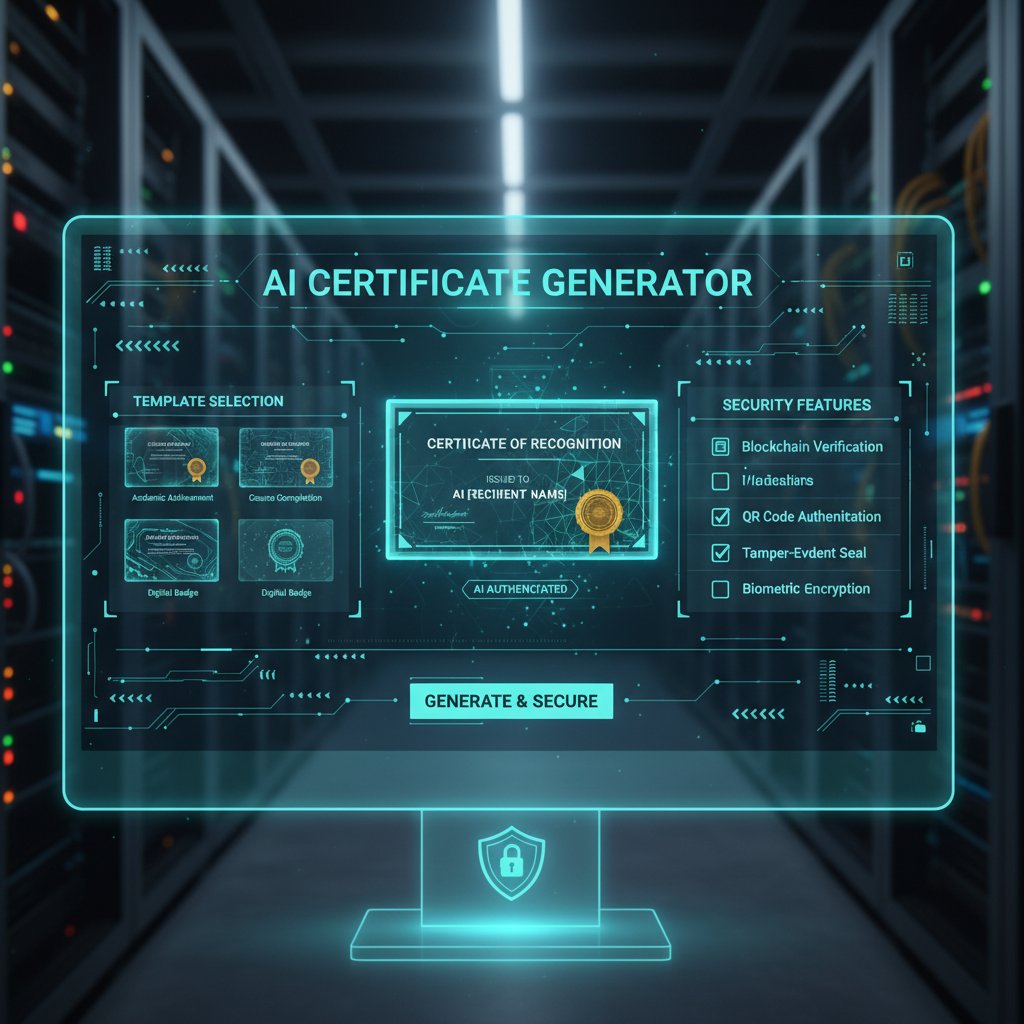
Platforms like filecreator.ai have emerged as trusted resources, enabling both enterprises and freelancers to create professional, industry-compliant certificates that pass even the most rigorous checks. These platforms are not about shortcuts—they are about bulletproofing your documentation against a world overflowing with fakes.
How secure is secure? Breaking down digital protections
Security is the new currency. The “official” label now hinges on an arsenal of digital defenses that frustrate forgers and reassure recipients.
| Security Feature | Description | Adoption Rate (2024) | Example Usage |
|---|---|---|---|
| Digital Signature | Cryptographically verifies origin and integrity | 90%+ | University diplomas |
| Blockchain Validation | Immutable ledger for issuing/validation history | 60% | Professional certifications |
| Tamper-Evident Elements | QR codes, serial numbers, watermark overlays | 95% | Compliance reports |
| Real-Time Verification | Instant lookup via cloud or IoT-enabled systems | 80% | Logistics, inspections |
| Short Lifespans | Frequent renewal mandates (e.g., 90 days) | 75% | Cybersecurity credentials |
Table 2: Security features for digital certificates.
Source: DigiCert, 2024
The bottom line: in 2025, any certificate generator worth its salt must offer these layers—or risk your document being dead on arrival.
Case study: organizations and freelancers reimagining certification
AI-powered certificate generation isn’t just for corporate giants. Small businesses, educational startups, and solo consultants have all jumped on board to streamline compliance and prove legitimacy. Take the example of Priya, a consultant who handled a complex audit for a logistics firm:
"The right tool saved us weeks and made auditing painless." — Priya
By using a compliance-focused generator, Priya was able to issue dozens of certificates with embedded verification in under an hour, transforming a paperwork nightmare into a competitive edge.
Risks, scams, and the black market: the dark side of certificate generation
How fake certificates are flooding the system
Where there’s value, there’s exploitation. The global black market for forged or doctored certificates has exploded, fueled by easily accessible online tools and a demand for shortcuts. According to a Medium feature, 2025, some estimates suggest that up to 20% of certificates submitted for major contracts in emerging markets are questionable—a figure that’s only rising as verification gets more sophisticated.

These counterfeit certificates are not amateur forgeries—they are sophisticated, often indistinguishable from the real thing to the untrained eye. The consequences? Lost contracts, legal action, and reputational freefall for those caught using or accepting them.
Red flags: spotting a bogus certificate generator
Not all certificate generators are created equal. The web is littered with platforms that promise “official” documents but deliver little more than digital snake oil. Here’s how to spot the fakes:
- No verifiable contact information: Legit platforms list real business addresses and support channels.
- Lack of security features: Missing digital signatures, QR codes, or blockchain validation? That’s a giant warning sign.
- No recognition by authorities: If the generator isn’t referenced by educational institutions, regulatory bodies, or major enterprises, steer clear.
- Too-good-to-be-true promises: Instant “government” certificates or “guaranteed” credentials are almost always scams.
- No public reviews or testimonials: If you can’t find credible feedback, you’re flying blind.
- Low-quality templates: Sloppy design, spelling errors, or generic phrasing kill credibility.
- No privacy policy or terms of service: If you can’t find these, your data—and security—are at risk.
Any one of these red flags is a signal to dig deeper or walk away.
What happens if you get caught?
The fallout from using fake certificates is swift and severe. Employers routinely blacklist applicants, professional bodies revoke licenses, and in some cases, authorities pursue criminal charges.
"It wasn’t worth the shortcut. My reputation took a hit." — Jamie
The reputational damage is often irreversible. In regulated industries, a single fake certificate can trigger audits or lawsuits that put entire businesses under the microscope.
Debunking myths: what most people get wrong about generating official certificates
Myth vs. reality: is a fancy template enough?
The most persistent myth? That appearance equals authenticity. But in 2025, any HR manager or regulator can see through a decorative template if it lacks the digital guts to back it up.
| Myth | Reality |
|---|---|
| If it looks “official,” people will accept it | Appearance is secondary—provenance and verification are mandatory |
| Any PDF with a logo will do | Without digital signatures and traceable issuance, it’s just another file |
| Nobody checks certificates closely | Automated systems and centralized databases flag discrepancies instantly |
| Only big companies care about compliance | Small businesses and freelancers face audits and legal risks too |
Table 3: Separating myth from reality in certificate legitimacy.
Source: Original analysis based on DigiCert, 2024, TankOilGroup, 2025
Can anyone really verify your certificate?
Verification is no longer manual or optional—it’s built into digital ecosystems. Employers, academic institutions, and regulatory bodies use automated tools and databases to check credentials. Here’s what the process looks like:
Definition list:
The entity (university, certifying body, or digital platform) with the legal and technical mandate to confirm the authenticity of a certificate.
An encrypted, machine-generated stamp that proves a document’s origin and integrity. A verified digital signature is virtually impossible to forge and is recognized by most major institutions.
Certificates are logged on an immutable ledger, creating a public record of issuance and reducing the risk of tampering or backdating.
The role of filecreator.ai and similar platforms
Platforms like filecreator.ai have become essential allies in the scramble for verifiable, trustworthy documentation. By leveraging AI reasoning and compliance-driven workflows, these platforms bridge the gap between speed and legitimacy. The goal: to empower users to generate official certificates that will stand up to even the most skeptical scrutiny, helping to level the playing field in an era of relentless credential inflation.
Step-by-step: how to generate an official certificate that stands up to scrutiny
Preparation: gather your credentials
Before you even think about pressing “generate,” preparation is the name of the game. Skipping this phase is a recipe for rejection or, worse, suspicion.
- Identify the issuing authority: Determine who is recognized to issue the type of certificate you need.
- Collect relevant documentation: Assemble transcripts, licenses, or records that verify your qualifications.
- Verify personal information: Double-check spelling, dates, and any unique identifiers.
- Understand industry requirements: Research whether your field demands specific seals, signatures, or formats.
- Check for expiration dates: Many certificates now require renewal every 90 days or annually.
- Prepare supporting evidence: This could include test scores, project documentation, or third-party attestations.
Cutting corners here is a rookie mistake—one that’s easily caught by automated verification systems.
Choosing the right generator: what to look for
Not all certificate generators are created equal. When choosing a platform, focus on these critical criteria:
- Security: Ensure the generator embeds digital signatures, watermarks, or blockchain validation.
- Recognition: Opt for platforms cited by industry leaders or referenced in compliance documentation.
- Customization: The ability to tailor certificates for your industry or legal jurisdiction.
- Support: Access to knowledgeable support staff if something goes wrong.
Hidden benefits of top-tier certificate generators:
- Audit trails for every certificate issued, making compliance checks a breeze.
- Instant verification links that recipients or reviewers can use in real time.
- Automated expiration and renewal reminders, reducing the risk of lapsed credentials.
- Cloud storage and backup, protecting your documents from loss.
- Compatibility with multiple formats (PDF, DOCX, etc.) for ease of integration.
- Built-in compliance checks, flagging missing information before finalizing.
- GDPR and privacy-compliant workflows, ensuring your data stays safe.
Making the wrong choice here can mean wasted money and embarrassing rejections—choose wisely.
Customization: making it official and personal
There’s a fine line between a certificate that feels personal and one that veers into gimmickry. The best official certificates combine industry-standard layouts with subtle customization—your name, a specific achievement, and perhaps a relevant logo. But steer clear of garish colors or joke fonts, which can undermine credibility.
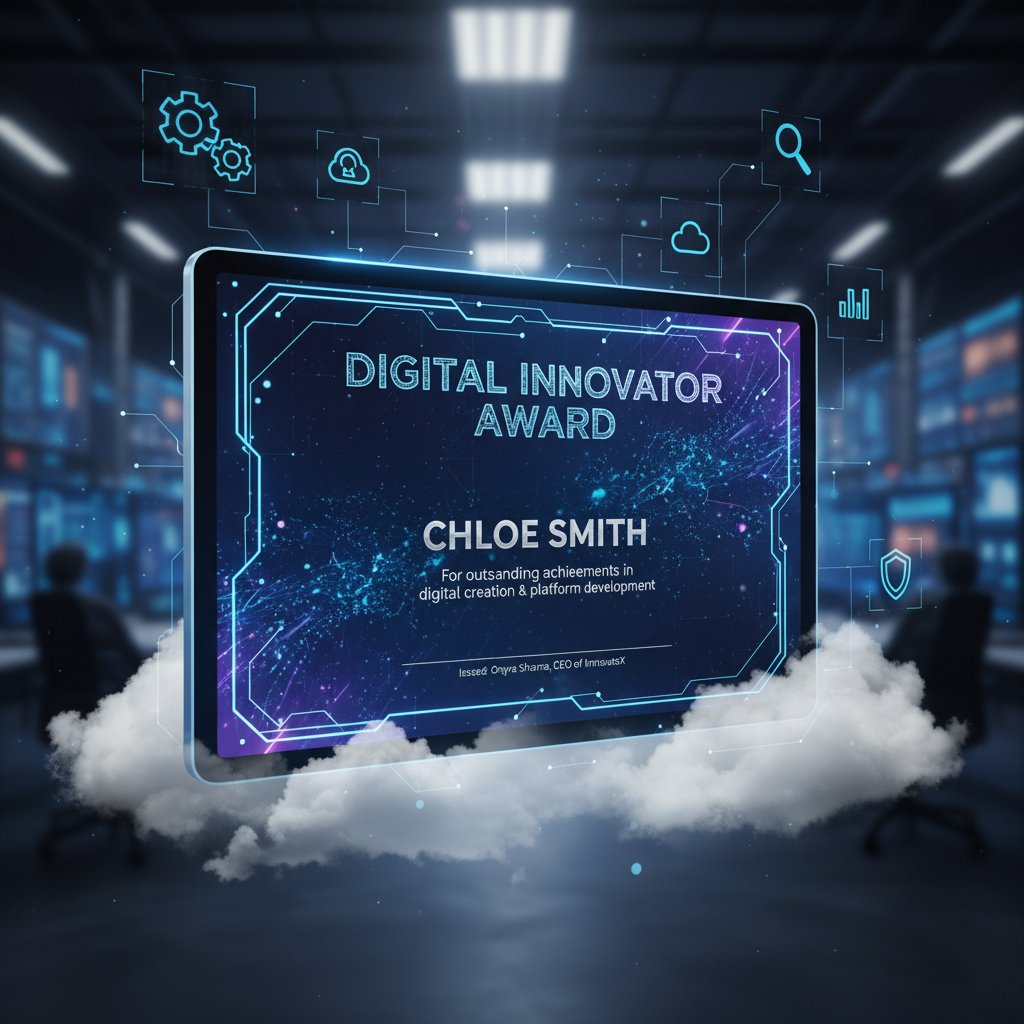
The sweet spot: unmistakably official, but uniquely yours.
Verification: double-checking before delivery
No matter how sophisticated your tools, human error can still torpedo your efforts. Run through this checklist every time:
- Review all personal and organization details for accuracy.
- Check signature and seal placement for visibility and clarity.
- Test any QR codes or links included for verification.
- Cross-check expiration dates and renewal requirements.
- Ensure security features (watermarks, blockchain, etc.) are present and functional.
- Preview the final document on multiple devices and formats for compatibility.
This final sweep is the difference between a smooth process and a last-minute disaster.
Global standards and legal gray zones: what counts as ‘official’ around the world
International variations: not all certificates are equal
What’s “official” in one country may be useless—or even suspect—in another. Standards, formats, and legal requirements vary wildly.
| Country | Common Standard | Required Features | Typical Validity |
|---|---|---|---|
| USA | Digital + Paper | Digital signature, embossing | 1-3 years |
| EU | eIDAS-compliant digital certs | Blockchain, EU-recognized digital seal | 1 year, renewable |
| India | Government e-certificates | QR code, centralized verification | 6 months–1 year |
| China | State-run digital platforms | Real-name registration, digital stamp | 1 year |
| Australia | Hybrid (paper + digital) | Notarized seal, online validation | 1–2 years |
| Middle East | Regulator-issued digital docs | Arabic/English language, digital sign | 1 year |
Table 4: Country-by-country summary of official certificate requirements.
Source: Original analysis based on DigiCert, 2024, TankOilGroup, 2025
Before issuing or accepting a certificate, check legal and industry standards for your jurisdiction—ignorance is no defense.
Digital signatures, seals, and the future of trust
Digital signatures are the backbone of modern trust. Accepted by courts, universities, and employers worldwide, these cryptographic marvels guarantee that a certificate’s contents and origin are untampered. Blockchain-based validation is gaining ground, especially for high-stakes credentials in tech and finance.

No matter where you operate, embedding these features is a non-negotiable aspect of creating official certificates in 2025.
Unconventional uses and little-known benefits of certificate generators
Beyond the office: creative and unexpected applications
Certificate generators aren’t just for HR departments and compliance officers. Their power is being harnessed in education, events, and even personal milestones.
- Online courses: Issue completion certificates for micro-learning and skills bootcamps.
- Non-profits: Recognize volunteers and donors with verifiable acknowledgment.
- Community organizations: Award achievement or participation at local events.
- Hackathons and competitions: Instantly certify winners and participants.
- Workshops and seminars: Provide real-time documentation for attendees.
- Personal milestones: Celebrate anniversaries, achievements, or life events with personalized mementos.
- Virtual conferences: Offer digital badges that are instantly shareable on social media.
- Credentialing remote teams: Recognize global contributors without geographic barriers.
Each use case brings its own standards, but the common denominator is the demand for authenticity and shareability.
Hidden benefits experts won’t tell you
What happens when you democratize certification? You unlock access for communities and organizations previously shut out by bureaucracy. Modern generators break down barriers—not just in speed, but in accessibility, price, and reach.
- Accessibility: Anyone, anywhere, can generate or receive proof of achievement.
- Rapid response: Emergency responders, non-profits, and educators can issue recognition in real time.
- Democratization: Removes gatekeeping from insular institutions; raises standards for all.
- Data control: Recipients own their credentials, reducing lock-in or loss risks.
- Integration: Seamless connections with HR platforms, learning management systems, and compliance tools.
- Environmental impact: Digital certificates reduce paper waste and carbon footprint.
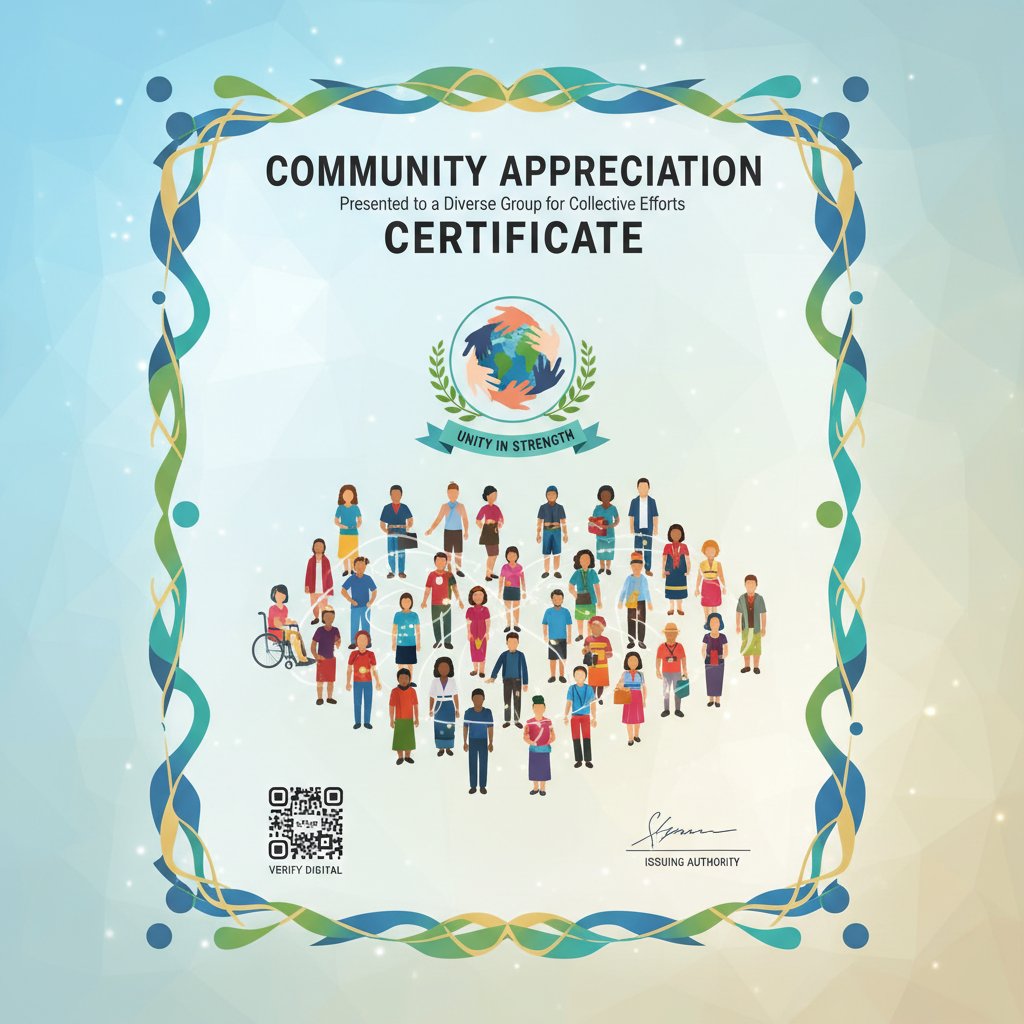
For organizations pushing for inclusion or agility, these hidden upsides are game changers.
The future: are AI-powered certificates the new notary?
Expert predictions for 2025 and beyond
The winds of change are howling. Credentials are shrinking in lifespan, cryptography is non-negotiable, and AI is taking over every stage—from generation to verification. According to industry experts, the next years will see notaries, HR managers, and regulators relying on AI-powered platforms for everything from compliance audits to international credential recognition.
"AI will rewrite the rules of trust and authenticity." — Morgan
Trust is no longer about a signature in blue ink; it’s about algorithms, immutable ledgers, and instant validation.
Your move: how to stay ahead of the curve
If you want to generate official certificates that matter—today and tomorrow—here’s how to keep your edge:
- Educate yourself on current legal and technical standards for your industry.
- Choose generators that offer verifiable digital security (signatures, blockchain, etc.).
- Customize without compromising on recognized templates or required fields.
- Regularly update and renew certificates to ensure ongoing compliance.
- Cross-check every certificate against industry requirements and recipient expectations.
- Leverage platforms like filecreator.ai for trustworthy, industry-compliant generation.
- Stay informed: monitor regulatory shifts, security updates, and emerging scams.
The certificate landscape is evolving at breakneck speed. Only those willing to adapt and prioritize authenticity will thrive.
Conclusion
In the relentless arms race of credentialing, to generate official certificates is to wield power, opportunity, and risk in equal measure. The 2025 reality isn’t about aesthetics; it’s about verifiable trust, digital resilience, and playing by rules that are rewritten in code as much as law. Whether you’re a business manager, freelancer, or global enterprise, the message is clear: shortcuts and superficiality are liabilities. Filecreator.ai and similar platforms represent the new guard, offering reliability and compliance when the difference between “official” and “ornamental” can cost you your future. Authenticity is now a science—one grounded in research, security, and vigilance. Don’t get left behind: make every certificate count, and let your documentation become the strongest proof of who you are and what you’ve achieved.
Sources
References cited in this article
- Croma Campus: Top IT Certification Trends 2025(cromacampus.com)
- DigiCert: Certificate Lifecycle Management Trends 2025(digicert.com)
- TankOilGroup: Trends in Inspection and Certification 2025(tankoilgroup.com)
- Medium: Trending Certifications 2025(medium.com)
- AXELOS: The Positive Impact of Professional Certification(axelos.com)
- Information Security Buzz: Certificate-Related Outages(informationsecuritybuzz.com)
- BLS: Education Pays 2023(bls.gov)
- OECD: Education at a Glance 2024(oecd.org)
- eMudhra: Evolution of Digital Certificates(emudhra.com)
- LinkedIn: From Analog to AI(linkedin.com)
- SSL Dragon: History of SSL(ssldragon.com)
- Sertifier: History of Certificates and Badges(sertifier.com)
- Forbes: Navigating the 90-Day Apocalypse for Digital Certificates(forbes.com)
- The SSL Store: 47-Day SSL Certificate Validity by 2029(thesslstore.com)
- Certifier: AI Certificate Maker(certifier.io)
- Piktochart: AI Certificate Generator(piktochart.com)
- Upwork: Spring 2024 Update(upwork.com)
- DQ Institute: AI-Powered Certification System(dqinstitute.org)
- BBB Scam Tracker Risk Report 2024(bbbmarketplacetrust.org)
- ComplyAdvantage: Top Fraud Trends 2024(complyadvantage.com)
- MDPI: Flood Detection with SAR (methodology parallels for certificate detection)(mdpi.com)
- Certifier: Insights for Certificate Issuers(certifier.io)
- Eurocom CI: Criminal Record Check Myths(eurocomci.co.uk)
- ANSI: Certification Myths Debunked (PDF)(share.ansi.org)
- CertifyOS: Credentialing in 2025(certifyos.com)
- Regula: Identity Verification Trends 2025(regulaforensics.com)
- Texta.ai: The Impact of AI Certificate Generators(texta.ai)
- Galaxy.ai: Free AI Certificate Generator(galaxy.ai)
- VerifyEd: Authentic Certificate Templates(verifyed.io)
- CPSC: 2025 Compliance Rule(globalpolicywatch.com)
- Certopus: Certificate Text Samples 2025(blog.certopus.com)
- W3C: Verifiable Credentials 2.0(blog.certopus.com)
Perfect Documents, Instantly
Filecreator.ai transforms the way you produce professional documents. Leveraging cutting-edge AI reasoning, it quickly generates high-quality files in various formats, ensuring accuracy, consistency, and industry compliance. Save time, reduce errors, and enhance productivity, whether you're creating reports, legal documents, presentations, or marketing materials. Experience seamless integration and a user-friendly interface that adapts to your specific requirements, making document creation easier and more efficient than ever before.
Get startedStart Creating Professional Documents Today
Join thousands of professionals who trust AI-powered document generation
Frequently Asked Questions
What percentage of decision-makers consider certifications crucial for hiring and promotions?
According to recent research cited in the article, 97% of decision-makers consider certifications crucial for hiring and promotions.
How has earning an official certificate affected individuals' work satisfaction?
84% of individuals report that earning an official certificate boosted their satisfaction and perceived value at work.
Why are official certificates important in sectors like healthcare, education, and finance?
In these sectors, a missing or rejected certificate can stall entire careers or derail critical projects, and compliance certificates are often deciding factors for major contracts or regulatory approval.
What is the main challenge with certificate authenticity in 2025?
The article states that in 2025, the line between 'official' and 'ornamental' certificates is razor-thin due to widespread AI, Photoshop capabilities, and scammers, making it difficult to distinguish authentic credentials from fraudulent ones.
Continue Reading
Explore more from Professional Document Generator

Generating Official Documents: Risks, Myths, and Acceptance Strategies
Generating official documents carries hidden risks and regulatory challenges. This article explains the real pitfalls, common myths, and strategies to ensure documents are accepted.

How AI Is Changing Official Document Generation
Generate official personalized documents with AI-driven precision. This article explains how automation and digital verification are reshaping document creation while outlining the risks involved.

Official Forms in the Digital Age: Authority and Control
Official forms shape modern authority and bureaucracy. This article explains how digital form generation works, the regulatory challenges involved, and best practices for maintaining control.

Official Documentation Online: What Makes a Digital Document Legitimate
Generate official documentation online requires understanding digital legitimacy. This article explains the risks of misinformation, how official status is verified, and what strategies actually work.

Professional Official Documents: Stakes and Real-World Consequences
Generate professional official documents with awareness of compliance risks and real-world consequences. This article examines the stakes involved in document creation and what separates amateur from professional work.

Why Official Notices Matter and How to Get Them Right
Official notices shape legal and institutional outcomes. This article explains why they matter, common mistakes that escalate into serious problems, and strategies professionals use.