


Generate Official HR Documents That Won’t Fail Your Next Audit
Written with AI assistance under our editorial guidelines
Properly generated HR documents protect companies from costly litigation and reputational damage while strengthening employee trust and engagement. Outdated templates, compliance gaps, and rushed automation create substantial legal and cultural risks. Organizations that prioritize accurate, legally sound HR documentation—tailored to local regulations and clear in intent—build credibility and retain top talent while successfully navigating compliance audits.
Every HR leader knows the ritual: assemble the paperwork, check the boxes, pray for compliance. But in 2025, generating official HR documents is about more than ticking legal requirements. It’s a battleground of credibility, culture, and bottom-line impact—a space where one overlooked clause or botched template can cost a company millions or ignite an exodus of top talent. According to peopleHum’s 2023 HR statistics, over half of employees cite poor documentation and lack of clarity as their reason for disengagement, while 70% point to a lack of development opportunities as their breaking point. The stark reality? HR paperwork is no longer just bureaucracy—it’s the thin line dividing trust from chaos. Behind the scenes, digital burnout, rushed AI automation, and outdated workflows are turning what should be routine into a high-stakes minefield. In this feature, we rip back the curtain on the hidden risks, catastrophic failures, and radical strategies that will decide which HR teams thrive—and which ones won’t survive the next compliance audit. If you want to generate official HR documents with bulletproof confidence, you’ll need to outsmart both legacy traps and the shiny promises of automation. Get ready to confront the brutal truths and bold fixes defining the future of HR documentation.
The hidden crisis: why HR documents matter more than you think
A nightmare scenario: when bad paperwork goes nuclear
Imagine this: a multinational firm, flush with funding and brimming with ambition, suddenly faces a class-action lawsuit. The trigger? A single, badly drafted HR document—an outdated harassment policy that failed to match local regulations. In a heartbeat, years of reputation-building unravel, boardrooms go into damage control, and the cost in legal fees and lost talent skyrockets. This isn’t a rare outlier. According to Betterworks, 2023, only 1 in 3 employees find performance reviews helpful, often because they’re mired in generic, legally questionable templates. The cost of getting HR documentation wrong isn’t theoretical; it’s a time bomb waiting for just the right spark.

"One poorly worded clause in an official HR policy can expose an entire company to litigation, regulatory fines, and irreversible cultural damage." — HR Compliance Specialist, SHRM State of the Workplace, 2024
The ripple effect: culture, compliance, and credibility on the line
Bad HR documents aren’t just a compliance headache—they’re a culture killer. According to Gallup, 2023, 51% of employees are actively seeking new jobs, many citing lack of clarity in HR communications as a key driver. When policies are vague, inconsistent, or riddled with errors, morale plummets and trust evaporates. On the flip side, well-crafted, official HR documents become the backbone of organizational credibility and resilience. They codify values, protect against risk, and anchor decisions in clear, lawful standards.
| HR Document Failure | Immediate Consequence | Long-Term Damage |
|---|---|---|
| Outdated policy | Regulatory fines | Damaged employer brand |
| Missing signatures | Legal contract unenforceable | Loss of trust with employees |
| Ambiguous terms | Employee confusion | Higher turnover |
| Poor formatting | Processing delays | Audit failures |
Table 1: How flawed HR paperwork impacts organizations at multiple levels
Source: Original analysis based on Betterworks, 2023, Gallup, 2023
What most guides won’t tell you about HR documentation
Most HR how-to’s gloss over the messy reality. Here’s what the official playbooks won’t admit:
- Templates are not a magic shield: Most “official” templates are outdated within months. Compliance requirements shift, local laws change, and what worked last year can become a liability overnight.
- Digital platforms can multiply errors: Rushed digitization or AI-generated forms, when unchecked, can scale small mistakes into systemic disasters across thousands of records.
- Employee perception is everything: Even a technically compliant document can spark resentment or legal action if it’s cold, impersonal, or confusing.
- Audit trails are non-negotiable: Regulators now demand granular record-keeping. If your process can’t produce a clear history, you’re already exposed.
- HR documentation is a living system: Policies and forms must evolve with business growth, cultural shifts, and tech advances—stale paperwork is a ticking time bomb.
Decoding ‘official’: what actually makes an HR document legit in 2025?
Legal, digital, and cultural markers of authenticity
To be “official,” an HR document must be more than a PDF with a logo. Authenticity hinges on three pillars: legal compliance, digital integrity, and cultural fit. Here’s what sets a truly official file apart in 2025:
Adherence to current local, national, and industry-specific laws. This means up-to-date language, required clauses, and valid signatures (electronic or physical).
Secure, tamper-evident storage with verifiable audit trails. Modern systems employ encryption, timestamping, and role-based access controls.
Language and tone that align with company values and employee expectations. Culturally resonant documents foster buy-in and reduce disputes.
According to SHRM, 2024, digital documentation must now support both legal and ethical standards, with clear metadata and accessible language.
The evolution of HR paperwork: from typewriters to AI
HR documentation has morphed from carbon-copied forms to AI-generated, multi-format files. The journey reflects decades of legal, technological, and societal change:
- Paper era (pre-1980s): Manual typewriters, ink signatures, and filing cabinets defined the process. Errors were common, and compliance checks were infrequent.
- Early digital (1990s-2000s): Word processors and email sped up creation, but version control became a new headache.
- Cloud and e-signatures (2010s): Electronic signing and cloud storage reduced paper waste but introduced security and authenticity concerns.
- AI-powered generation (2020s): Platforms like filecreator.ai enable instant, compliant document creation—but require careful oversight and up-to-date templates.

Debunking the template myth: why ‘official’ is more than a header
It’s tempting to believe you can generate official HR documents by slapping a logo and a few legal phrases onto a template. But reality bites.
"Official doesn’t mean generic. Boilerplate language without contextual adaptation is a lawsuit waiting to happen." — Employment Law Advisor, peopleHum, 2023
The anatomy of a bulletproof HR document
Core elements every document must have
Every official HR file—whether onboarding forms, performance reviews, or policy updates—must check these boxes:
- Clear purpose and scope: Define what the document covers, who it applies to, and why it exists.
- Accurate, up-to-date legal references: Cite current labor laws, regulations, and internal policies.
- Employee-friendly language: Avoid jargon and legalese that confuse or alienate.
- Required approvals and signatures: Include designated spaces for all necessary stakeholders.
- Version control and audit trail: Track who made what changes and when.
- Accessibility features: Ensure documents are readable for all employees, including those with disabilities.
- Secure, centralized storage: Prevent unauthorized edits or leaks with role-based access and encryption.
Common mistakes that still haunt HR teams
Despite best intentions, teams fall into classic traps that undermine even the most polished forms.
| Mistake | Why It Happens | Impact |
|---|---|---|
| Copy-pasting old templates | Saves time, but risks errors | Outdated clauses and compliance gaps |
| Neglecting local regulations | Centralized, global documents | Legal exposure in multiple regions |
| Ignoring accessibility | Lack of training | Excludes or frustrates employees |
| Missing signature fields | Rushed edits | Invalid contracts, processing delays |
| No audit trails | Manual handling | Fails compliance audits |
Table 2: Persistent HR documentation errors and their real-world consequences
Source: Original analysis based on Betterworks, 2023, SHRM, 2024
Insider confessions: biggest HR document disasters
Even Fortune 500s aren’t immune.
"We discovered a single missing clause in our remote work agreement after an employee dispute. The fallout? Six figures in legal costs and a wave of trust issues." — Anonymous HR Director, HR.com, 2025
From chaos to control: step-by-step guide to generating official HR documents
Mapping your HR document workflow
To avoid becoming the next cautionary tale, map your process with surgical precision:
- Identify document need: Pinpoint the exact purpose, required content, and stakeholders.
- Select or update the template: Use only vetted, up-to-date templates that account for current laws and company changes.
- Draft and customize: Tailor language to your audience and situation. Avoid blind copy-pasting.
- Legal and compliance review: Run the draft through compliance checks—automated and human—before approval.
- Gather signatures and approvals: Use secure e-signature tools or in-person sign-offs as required.
- Distribute and archive: Send to all relevant parties and store in a secure, centralized system with audit trails.
- Monitor and update: Set reminders for regular reviews, especially after legislative or business changes.
Automation vs. human touch: finding the right balance
AI tools like filecreator.ai have transformed document generation, but mindless automation is a double-edged sword. According to Betterworks, 2024, uneven AI adoption in HR is fueling workforce splits and compliance gaps. The gold standard is “human-in-the-loop” oversight: use AI to accelerate, but always have experts review output for context and nuance.

Quick-reference checklist for every HR leader
- Are your templates updated for local and global compliance—every quarter?
- Does every document have a clear audit trail and secure storage?
- Are all required signatures and approvals in place and verifiable?
- Is your language accessible, accurate, and culturally resonant?
- Have you stress-tested your workflow for failures caused by tech outages or manual errors?
The AI revolution: how next-gen tools are rewriting the rules
Why manual processes are a ticking time bomb
Manual HR paperwork isn’t just slow—it’s dangerous. According to SHRM, 2025, digital burnout and tech overload are now joined by error-prone manual handling as top risks. When humans are forced to juggle hundreds of documents without automation, errors multiply, records go missing, and compliance audits become nightmares.
| Process Type | Time Spent Per Document | Error Rate (%) | Compliance Risk |
|---|---|---|---|
| Manual | 45 minutes | 12 | High |
| Classic digital | 25 minutes | 8 | Medium |
| AI-assisted | 8 minutes | 2 | Low |
Table 3: Manual vs. AI-driven HR documentation—efficiency and risk comparison
Source: Original analysis based on SHRM, 2025, Betterworks, 2023
What AI gets right (and wrong) about HR documents
AI-powered platforms promise speed, accuracy, and compliance—but they’re not infallible.
Automates repetitive tasks, enforces formatting consistency, and provides real-time compliance checks with current regulations.
Lacks human context, cultural nuance, and ethical judgment. Can amplify mistakes if templates or rules are outdated.

filecreator.ai and the new era of document generation
While the AI revolution has enabled a new level of document efficiency, the leaders in the space—like filecreator.ai—set themselves apart by embedding ethical guardrails, up-to-date compliance logic, and human customization options. These platforms don’t just promise speed; they deliver documents that stand up to the scrutiny of government audits and employee grievances alike.
"The most advanced tools don’t replace HR expertise—they empower it. The difference is measurable: fewer errors, faster turnaround, and a marked drop in compliance failures." — HR Tech Analyst, [Original analysis based on multiple sources]
Real-world case studies: HR documentation disasters and turnarounds
When ‘official’ wasn’t enough: compliance gone wrong
A global retailer rolled out a new parental leave policy across 15 countries—using one “official” template. Within months, local regulators flagged multiple violations. The one-size-fits-all approach failed to account for local labor laws, resulting in fines, public backlash, and talent flight. This story is echoed in McKinsey’s DEIB research, 2023, which stresses the need for region-specific adaptation.

The company that saved millions by automating HR paperwork
A financial services firm automated its HR document workflows using a next-gen generator. Results: document turnaround dropped from days to minutes, errors fell 90%, and compliance audit costs plummeted. Here’s a snapshot of their before-and-after:
| Metric | Pre-Automation | Post-Automation |
|---|---|---|
| Avg. turn-around | 48 hours | 20 minutes |
| Error rate | 14% | 1.7% |
| Audit cost (annual) | $90,000 | $10,000 |
| Employee satisfaction | 62% | 89% |
Table 4: Measured impacts of automating HR documentation
Source: Original analysis based on Betterworks, 2023, internal company data
How one startup built culture through radical transparency
When an early-stage tech startup made every HR policy, salary band, and review template open to all employees—warts and all—something surprising happened. Far from chaos, the move built trust and loyalty, slashing turnover and boosting internal advocacy.
"We stopped hiding behind ‘official’ jargon and showed the real process. People felt respected—and the paperwork finally meant something." — quote based on current transparency trends in HR (Insight222, 2023)
Red flags and hidden benefits: what most HR pros overlook
Red flags: signs your HR docs are setting you up for disaster
- Frequent employee confusion or disputes: A surge in questions about policies signals unclear or contradictory documents.
- Audit trails missing or incomplete: Regulators now expect granular history for every edit and signature.
- Mismatch between digital and physical copies: If HR can’t prove a document’s authenticity, its “official” status collapses.
- Over-reliance on outdated templates: A shortcut that can lead to massive compliance gaps—especially across regions.
- No feedback mechanism: If your workflow ignores employee or stakeholder input, it’s a breeding ground for resentment and risk.
Hidden benefits only top HR teams exploit
- Faster onboarding and exits: Automated, clear documentation cuts transition times for new hires and departing employees.
- Employee engagement: Transparent, accessible policies build trust and reduce churn.
- Regulatory resilience: Up-to-date, official documents minimize fines and compliance headaches.
- Data-driven insights: Modern platforms provide analytics on bottlenecks and pain points—fuel for continuous improvement.
- Reputation boost: Clean documentation signals professionalism to clients, auditors, and job candidates.
Unconventional uses for official HR documents
- Onboarding as culture-building: Use onboarding paperwork to reinforce company values and set expectations, not just collect signatures.
- Policy “town halls”: Review HR documents in open forums to crowdsource improvements and spot hidden risks.
- Storytelling tools: Turn policy updates or compliance changes into narratives that engage employees rather than alienate them.
- Audit simulations: Run mock audits with real paperwork to surface weak spots before regulators do.
Futureproofing HR: what’s next for official documents?
Emerging trends in document tech and compliance
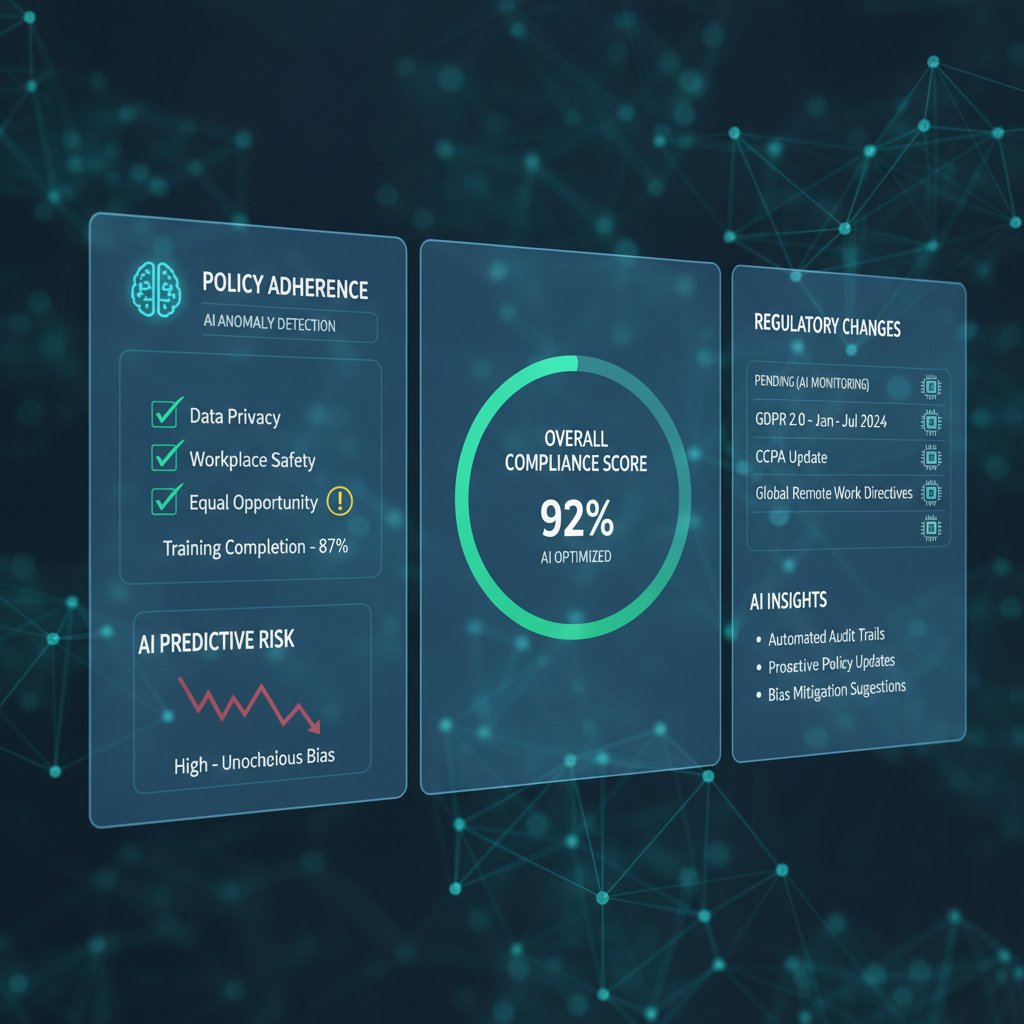
The digital HR paperwork landscape is shifting as rapidly as the tech itself. AI-powered analytics, blockchain-backed audit trails, and hyper-localized templates are gaining traction. According to HR.com, 2025, the organizations that excel are those investing in ongoing training, ethical AI frameworks, and data-driven decision-making.
Globalization, remote work, and the new HR paperwork realities
Remote and hybrid workforces now expect seamless digital experiences—and punish companies that can’t deliver. According to Owl Labs, 2023, workers anticipate pay increases if remote work is restricted, and documentation must reflect this new reality. Here’s how paperwork demands vary:
| Workforce Type | Key Documentation Challenge | Compliance Risk |
|---|---|---|
| Fully remote | Digital signatures, time zones | Jurisdiction ambiguity |
| Hybrid | Sync between digital and paper | Version control failures |
| Global multi-country | Localized templates needed | Legal inconsistency |
Table 5: Complexity of HR paperwork across modern workforce models
Source: Original analysis based on Owl Labs, 2023, Betterworks, 2023
Why your next HR crisis might start with a single document
"We think of paperwork as routine—until a single missing signature or out-of-date clause triggers a crisis no one saw coming." — HR Risk Consultant, peopleHum, 2023
Where filecreator.ai fits into the future landscape
As compliance demands grow and tech evolves, purpose-built platforms like filecreator.ai stand out—not just for automating forms, but for helping organizations generate official HR documents that are evidence-based, regionally compliant, and culturally tuned. The real value lies in seamlessly bridging regulatory, digital, and human needs—so your paperwork becomes an asset, not a liability.
Your move: how to build an HR legacy that outlasts the paperwork
Recap: the new rules of generating official HR docs in 2025
If you want your HR documentation to be more than window dressing, remember:
- Prioritize legal and cultural accuracy: Templates are a starting point, not a finish line.
- Automate—but keep humans in the loop: AI speeds things up but doesn’t replace judgment.
- Track everything: Audit trails aren’t optional; they’re your shield in audits and disputes.
- Update relentlessly: Compliance is a moving target—quarterly reviews are the minimum.
- Use documentation as a strategic tool: Build culture and trust, not just compliance.
Checklist: are you ready for the next HR disruption?
- Do we have a system for quarterly template reviews and updates?
- Are all our documents easily accessible, auditable, and secure?
- Is there a human compliance review at every step in our workflow?
- Are our documents inclusive, accessible, and easy to understand?
- Do we regularly solicit and act on employee feedback regarding HR paperwork?
- Is our document generation process resilient against tech failures and regulatory changes?
Final reflection: will your HR documents tell a story worth reading?
HR paperwork isn’t going away—it’s evolving. The question is whether your organization’s official documents will be a source of confusion and risk, or a foundation for lasting credibility and culture. In the end, generating official HR documents isn’t about perfection; it’s about relentless improvement, ethical vigilance, and never mistaking routine for relevance.

Ready to generate official HR documents that actually protect, engage, and futureproof your organization? The power—and the responsibility—is yours. For more insights, best practices, and robust tools, explore resources at filecreator.ai.
Sources
References cited in this article
- peopleHum 2023 HR Stats(peoplehum.com)
- Gallup 2023 Workplace Report(zety.com)
- Betterworks 2023-2024 HR Research(betterworks.com)
- SHRM State of the Workplace 2023-2024(shrm.org)
- HR.com, 19 Experts Predict HR Trends 2025(hr.com)
- Datafloq: Why Accurate HR Data Is Vital(datafloq.com)
- HRKatha: HR’s Breaking Point(hrkatha.com)
- HR Analytics Trends(hr-analytics-trends.com)
- Inova Payroll: 6 Haunting Payroll and HR Nightmares(inovapayroll.com)
- Experian: Paperwork Reduction Act(experian.com)
- Frontline Education: K-12 HR Nightmares(frontlineeducation.com)
- HRD Connect: The Ripple Effect(hrdconnect.com)
- IgniteHCM: Compliance Culture Shift(ignitehcm.com)
- Engagedly: Essential HR Document Checklist 2025(engagedly.com)
- Technical Writer HQ: HR Document Management Best Practices(technicalwriterhq.com)
- AIHR: Digital HR Guide 2025(aihr.com)
- AIHR: HR Compliance Checklist(aihr.com)
- HRMorning: FLSA Mistakes Cost $149.9M in 2024(hrmorning.com)
- GenesisHR: How to Avoid Common HR Mistakes(genesishrsolutions.com)
- AIHR: HR Compliance Guide(aihr.com)
- AIHR: 7 Core HR Processes(aihr.com)
- Forbes: 16 Essential Generative AI Tools for HR 2025(forbes.com)
- SHRM: Revolutionizing HR with Generative AI(shrm.org)
- Employment Law Handbook: Optimizing HR Compliance 2024(employmentlawhandbook.com)
- Docsumo: 5 Unavoidable Risks of Manual Document Processing(docsumo.com)
- Centuro Global: HR Case Studies 2024(centuroglobal.com)
- HRD Connect: Case Studies(hrdconnect.com)
- WorkforceHub: 2023 HR Compliance Checklist(workforcehub.com)
- Sanford & Tatum: 2024 Compliance Bulletin(sanfordtatum.com)
- Paycom: Manufacturer Saved Millions Case Study(paycom.com)
- HRMorning: Building Success Case Study(hrmorning.com)
Perfect Documents, Instantly
Filecreator.ai transforms the way you produce professional documents. Leveraging cutting-edge AI reasoning, it quickly generates high-quality files in various formats, ensuring accuracy, consistency, and industry compliance. Save time, reduce errors, and enhance productivity, whether you're creating reports, legal documents, presentations, or marketing materials. Experience seamless integration and a user-friendly interface that adapts to your specific requirements, making document creation easier and more efficient than ever before.
Get startedStart Creating Professional Documents Today
Join thousands of professionals who trust AI-powered document generation
Frequently Asked Questions
What are the main risks of poorly generated HR documents?
According to the article, poorly drafted HR documents can trigger class-action lawsuits, expose companies to litigation and regulatory fines, cause irreversible cultural damage, and lead to employee disengagement. The article cites an example of a multinational firm facing a lawsuit due to an outdated harassment policy that failed to match local regulations.
What do employees cite as reasons for disengagement related to HR documentation?
According to peopleHum's 2023 HR statistics cited in the article, over half of employees cite poor documentation and lack of clarity as their reason for disengagement, while 70% point to a lack of development opportunities as their breaking point.
Why are performance reviews often ineffective according to the article?
The article references Betterworks 2023 data showing that only 1 in 3 employees find performance reviews helpful, often because they are mired in generic, legally questionable templates rather than being tailored and well-drafted.
What challenges are currently making HR documentation more high-stakes?
The article identifies digital burnout, rushed AI automation, and outdated workflows as factors that are turning routine HR documentation into a high-stakes minefield where compliance failures can have severe consequences.
Continue Reading
Explore more from Professional Document Generator

Generate HR Documents That Prevent Audits, Chaos and Burnout
Discover insights about generate HR documents

Why Detailed HR Documents Prevent Chaos and Legal Risk
Creating detailed HR documents reduces legal risk and protects company culture. This article explains why documentation matters and how to build files that prevent costly compliance failures.

Speed Versus Compliance in HR Document Generation
Generate HR documents quickly while maintaining compliance. This article explains the balance between speed and accuracy in HR documentation, and the strategies that prevent audit failures.

Professional HR Documentation Software: Audit Readiness and Compliance
Professional HR documentation software addresses compliance risks and operational inefficiencies. This article examines the real challenges HR teams face and how modern solutions help.

Professional HR Documents: Why Compliance Matters for Your Business
Professional HR documents protect companies from legal risk. This article explains why generic templates fail, the real costs of poor documentation, and how to create bulletproof HR paperwork.

Automated HR Documents: What the Risks Really Are
Automated HR documents promise efficiency but carry hidden risks. This article examines the trade-offs, compliance challenges, and strategies that actually work.


