


Generate Personalized Automated Documents Without Losing Control
Written with AI assistance under our editorial guidelines
Modern AI-powered document automation tools enable rapid generation of personalized, hyper-customized documents while maintaining user control over content and formatting. The global document automation market is projected to grow from $7.9 billion in 2024 to $24 billion by 2032, driven by intelligent document processing technology that eliminates manual paperwork tasks while preserving accuracy and compliance oversight.
Picture this: You’re buried in paperwork, drowning in repetitive forms and contracts, your creativity and sanity gasping for air beneath the avalanche of digital bureaucracy. Now imagine a world where all those tedious hours spent drafting, editing, and formatting documents are reclaimed—where your paperwork is not just automated, but hyper-personalized and delivered in seconds, tailored down to the finest detail. The drive to generate personalized automated documents isn’t just a technological trend—it’s a seismic shift in how we work, communicate, and compete. In this in-depth exposé, we’ll rip back the curtain on the AI engines powering this transformation, dissect the myths and the realities, and equip you with the critical knowledge to future-proof your workflow. Welcome to the new digital power play, where originality and automation clash—and sometimes, coexist.
Welcome to the age of automated paperwork
Why manual documents are on the endangered species list
For decades, “manual” meant control, precision, and, let’s be honest, tedium. In boardrooms and back offices, professionals spent countless hours drafting, proofreading, and formatting documents—a slow grind that left little time for innovation or engagement. But the times are changing at breakneck speed. According to recent data, the global document automation software market is projected to surge from $7.9 billion in 2024 to a staggering $24 billion by 2032, averaging a 15% compound annual growth rate. That’s not a ripple; it’s a tidal wave. The rise of intelligent document processing (IDP) and AI document generators means manual paperwork is rapidly becoming an artifact of the past, much like rotary phones or carbon paper.

“Automation is not about replacing jobs; it’s about eliminating soul-crushing tasks and unleashing human creativity for higher-value work.” — Anna Miller, Automation Strategist, MetaSource, 2024
The pain points of manual documentation—errors, delays, compliance risks, and burnout—are no longer just accepted costs of doing business. For organizations embracing filecreator.ai and similar AI-powered platforms, automation is the new baseline, not the future.
The evolution: From carbon copy to AI-generated contract
The journey from carbon copies to AI-generated contracts reads like a condensed history of innovation. What once required stacks of paper and hours of legwork now happens at digital speed. The table below charts this evolution, highlighting just how radical the shift has been:
| Era | Technology | Workflow Impact |
|---|---|---|
| Typewriter Age | Manual typing, carbon | Slow, error-prone, non-digital |
| Word Processor Era | Digital editors | Faster drafting, manual formatting |
| Early Template Systems | Static templates | Slight efficiency, low customization |
| Document Automation 1.0 | Rule-based macros | Batch processing, limited personalization |
| AI & IDP (2024) | NLP, ML, cloud | Instant, hyper-personalized, compliant |
Table 1: The historical evolution of document creation technologies and their business impact
Source: Original analysis based on MetaSource, 2024, Intelligent Document Processing, 2024

Today’s AI document generators do more than just churn out text—they adapt content dynamically, ensure compliance, and integrate seamlessly with your workflow. The leap isn’t just technical; it’s cultural. Automation has become an expectation, not an experiment.
What ‘personalization’ really means in 2025
Personalization has become a buzzword—often misused, rarely understood. In the context of document automation, it’s not about slapping your name on a generic PDF. It means documents that reflect nuanced needs, legal requirements, and even the voice of your brand, all at machine speed. Let’s break it down:
More than mail merge—AI leverages data to adapt content, tone, and structure for specific recipients, contexts, or compliance needs.
Real-time tailoring based on behavioral data, previous interactions, and role-specific requirements, ensuring documents are always relevant.
Templates that evolve, drawing on organizational knowledge, legal updates, or client preferences to build context-aware documents.
Using AI to infer the intent and emotional tone behind each document, optimizing for both legal and human impact.
In 2025, personalization means that every contract, report, or policy can be as unique as a fingerprint—crafted in seconds, never at the expense of compliance or professionalism.
The technology behind the curtain: Demystifying AI-powered document generation
How advanced algorithms turn your input into hyper-personalized docs
At the heart of modern document automation lies a symphony of advanced algorithms—natural language processing (NLP), machine learning (ML), and sometimes even blockchain or robotic process automation (RPA). These aren’t just buzzwords; they’re the invisible hands that transform your raw input into polished, fit-for-purpose documents. When you use a platform like filecreator.ai, your data—whether entered manually or pulled from business systems—flows through AI models that parse requirements, detect nuances, and generate professional output with uncanny accuracy. According to recent research, 94% of organizations leveraged cloud computing in 2023, a foundational pillar enabling scalable, secure document automation.
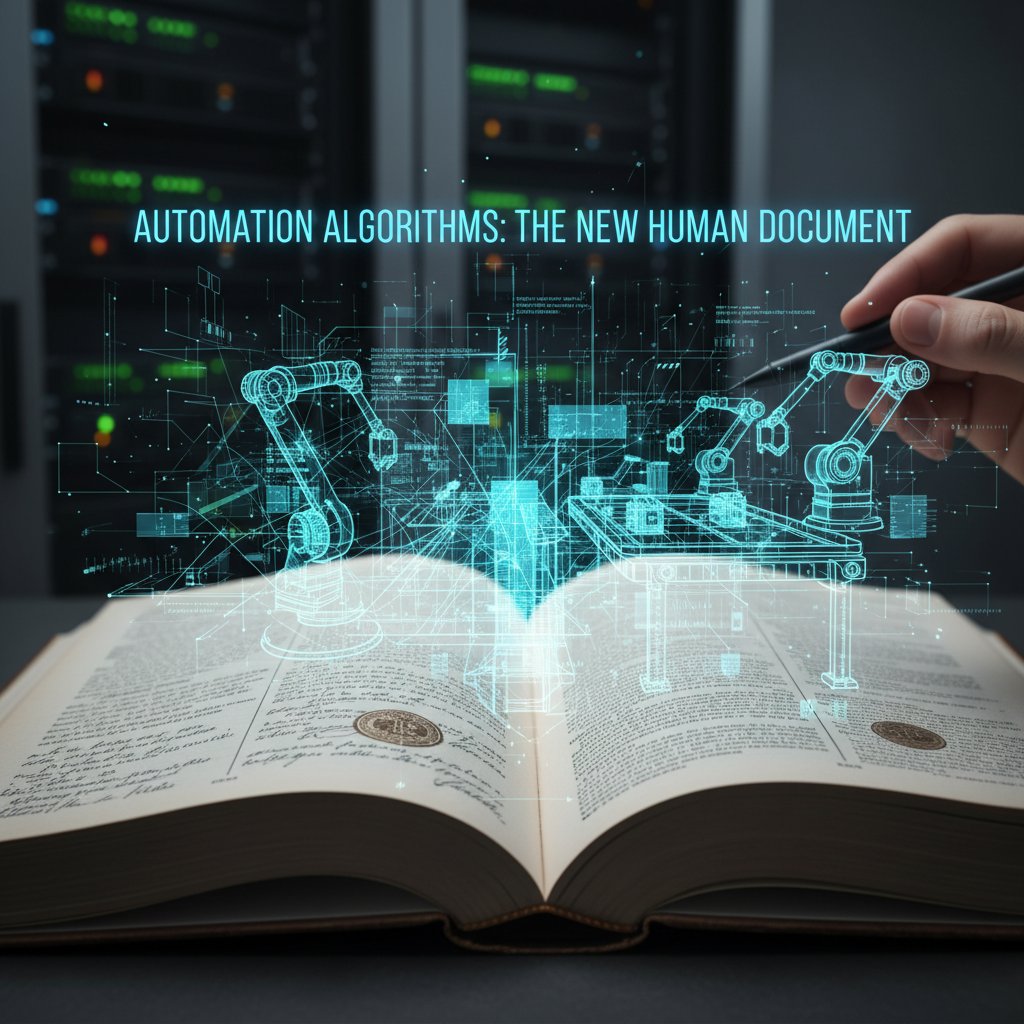
The result? Reduced manual errors, lightning-fast output, and documents that don’t just meet the mark—they elevate it. Customization isn’t a bottleneck; it’s the default.
Natural language processing: The secret sauce
NLP is the engine room of intelligent document generation. It allows AI to understand, interpret, and generate language that mirrors human tone and logic. But how does it work in practice?
| NLP Feature | Impact on Document Generation | Real-World Benefit |
|---|---|---|
| Contextual understanding | AI grasps meaning beyond keywords | No awkward phrasing, fewer misunderstandings |
| Entity recognition | Identifies names, dates, clauses | Accurate population of templates |
| Sentiment analysis | Adjusts tone for empathy or professionalism | Tailored communication, improved outcomes |
| Summarization | Condenses input for clarity | Concise, readable documents |
Table 2: Core NLP features and their practical impact on AI-powered document generation
Source: Original analysis based on MetaSource, 2024
NLP’s ability to interpret and create contextually relevant, human-sounding documents is why automated paperwork can finally feel personal, not robotic.
Can AI-generated documents ever be truly ‘yours’?
This question cuts to the bone of the automation debate. Ownership and authenticity don’t evaporate when a document is crafted by an algorithm—they evolve. AI-powered platforms like filecreator.ai build documents based on your data, your business logic, and your personal style preferences. The AI serves as the scribe, not the author. As noted by process automation expert Samir Patel:
“Human oversight is still absolutely critical. AI gets you 95% of the way, but that last 5%—context, compliance, nuance—still needs your judgment.”
— Samir Patel, Automation Lead, Intelligent Document Processing, 2024
The upshot? When you generate personalized automated documents, you aren’t surrendering identity—you’re amplifying it, with more time to focus on deeper work.
Myths and misconceptions: Separating hype from reality
‘Automated’ doesn’t mean ‘generic’: Debunking the biggest myth
The most persistent myth in document automation is that “automated” equals “cookie-cutter.” In reality, today’s platforms can deliver more personalization than most busy professionals have time for. Here’s what separates myth from fact:
- AI-driven document generators use dynamic fields, conditional logic, and real-time data integration to make every document unique, grounded in organizational knowledge.
- Customizable templates aren’t static—they can reflect the latest legal standards, brand voice, and contextual cues, ensuring each output is as distinctive as a handcrafted file.
- Modern solutions allow for granular user input, so you control the details that matter: tone, structure, and even clause inclusion.
- Far from generic, automation platforms are raising the bar for accuracy and professionalism in legal, financial, and technical documentation.
Generic output is a choice, not a limitation. The best platforms make personalization effortless, not optional.
Security and privacy: What you’re getting right—and what you’re not
Security is often cited as a top concern, and with good reason. Automated document workflows can dramatically reduce human error, but they also introduce new complexities. Let’s clarify key terms:
Secure algorithms protect sensitive information at rest and in transit, making unauthorized access far less likely.
Role-based permissions ensure only the right people can generate or view certain documents—a must for compliance-heavy industries.
Every digital action is logged for accountability, supporting regulatory requirements and internal controls.
Relying on external APIs or plugins introduces potential weak points. Only use platforms that undergo rigorous security audits.
According to industry research, blockchain and RPA are increasingly integrated into document automation solutions precisely to enhance traceability and security. But no solution is bulletproof—vigilance and regular audits remain essential.
Are you losing the human touch? The empathy equation
Automation skeptics worry that AI-powered document creation strips away empathy and nuance. The reality is more complex. Automation can standardize best practices and ensure clarity, but empathy is not algorithmic—it’s designed in. The smartest platforms allow users to adjust tone, insert personal notes, and retain the ability to override generated content, keeping the human element alive.

Organizations that blend automation with human oversight find they don’t lose the human touch—they magnify it. The key is treating automation as augmentation, not abdication.
Current state of the field: Who’s using what, and why it matters
From startups to giants: Case studies in automated document success
The use of AI-driven document automation is exploding across industries, from tech unicorns to legacy titans. Consider these real-world cases:
| Organization | Industry | Use Case | Outcome |
|---|---|---|---|
| ABBYY | Technology | IDP for contract processing | 60% increase in recurring revenue |
| UiPath | Automation | NLP-powered document workflows | $125M acquisition of Re:infer |
| Leading Law Firm | Legal | Automated contract drafting | 70% reduction in prep time |
| Major Bank | Finance | Automated financial reporting | 90% accuracy, reduced errors |
Table 3: Selected case studies demonstrating the impact of document automation across sectors
Source: Original analysis based on MetaSource, 2024, Intelligent Document Processing, 2024

From streamlining HR policies to transforming client engagement in marketing, organizations are not just saving time—they’re setting new standards for quality and agility.
Industry breakdown: Surprising sectors embracing document automation
You might expect law firms and banks to be early adopters, but the automation wave is hitting harder and wider than you think:
- Healthcare: Automating patient intake and medical record generation, slashing admin time and improving compliance.
- Marketing: Dynamic content creation for campaigns, boosting engagement with personalized messaging and rapid turnaround.
- Education: Automated syllabus updates, class rosters, and parent communication.
- Manufacturing: Generating safety documentation, compliance certificates, and technical manuals.
The democratization of AI document generation means even small businesses and nonprofits can access enterprise-grade tools. The barriers are collapsing—and innovation is spreading.
What real users are saying: Praise, backlash, and lessons learned
User sentiment reflects the complexity of the transition. While many praise the newfound efficiency and reduction in drudgery, some caution against over-automation. As highlighted in a recent industry survey:
“We cut our document turnaround time by 80%, but still keep a ‘human in the loop’ to catch what AI might miss. The payoff is huge, but you need oversight.” — Sarah Gomez, Operations Director, MetaSource, 2024
The lesson? Automation is a force multiplier—but only when paired with human judgment and robust quality controls.
The dark side: Risks, red flags, and how to stay ahead
Data privacy nightmares and how to avoid them
Automating sensitive documents exposes new vulnerabilities. But the worst-case scenarios—leaked contracts, breached financials—are not inevitable. Here’s how to prevent them:
- Vet vendors thoroughly: Only use platforms that are regularly audited and certified for data security compliance.
- Encrypt at every stage: Ensure encryption of data both at rest and in transit.
- Limit permissions: Restrict who can generate, edit, or view sensitive documents.
- Monitor integrations: Third-party plugins and APIs can be weak links—review them often.
- Audit regularly: Conduct internal and external audits to catch gaps before they become crises.
Following these steps with diligence and skepticism is non-negotiable. Trust, but verify—always.
The deskilling dilemma: Are we making ourselves obsolete?
Automation skeptics argue that handing over document creation to AI means handing over expertise—and jobs. But industry data tells a more nuanced story. According to a 2024 survey, 50% of organizations adopted modern data quality solutions, including IDP, to free up skilled staff for higher-value work. Rather than erasing roles, automation redefines them—shifting human input to oversight, strategy, and problem-solving.

The question is not whether automation makes us obsolete, but whether we’re willing to evolve. Deskilling is real for those who resist change—but for those who adapt, the opportunities multiply.
Vendor lock-in, hidden fees, and how to spot a raw deal
Document automation is a hot market, and not all vendors play fair. Watch for these warning signs:
- Lock-in contracts that make migration expensive or impossible.
- Opaque pricing models with surprise fees for “premium” features, integrations, or exports.
- Poor support and lack of transparency around data portability.
- Limited template customization or API access, restricting flexibility.
Choosing the right platform means reading the fine print, demanding clear SLAs, and prioritizing open standards. The goal: empowerment, not entrapment.
Choosing your weapon: How to pick the right document automation tool
What actually matters: Features that impact real-world results
Not all document generators are created equal. Here’s a comparison of the features that distinguish impactful solutions from the also-rans:
| Feature | Must-Have? | Why It Matters |
|---|---|---|
| AI-driven content generation | Yes | Ensures relevance, accuracy, speed |
| Multi-format export | Yes | Flexibility for different workflows |
| Customizable templates | Yes | Supports brand, legal, and context needs |
| Integrated compliance checks | Yes | Reduces legal and regulatory risk |
| Real-time collaboration | Yes | Enables efficient teamwork |
| Open APIs | Recommended | Eases integration and data flow |
| Transparent pricing | Non-negotiable | Prevents budget overruns |
Table 4: Table of essential features for selecting a document automation solution
Source: Original analysis based on MetaSource, 2024
Checklist: Are you ready to automate?
- Assess your document volume: High-volume, repeatable documents are prime candidates for automation.
- Map your workflow: Identify bottlenecks, compliance pain points, and manual errors.
- Gather stakeholder input: IT, legal, operations, and end-users all bring unique requirements.
- Vet potential vendors: Compare features, security, support, and integration capabilities.
- Pilot a small project: Test with a low-risk use case before scaling up.
- Review legal and compliance implications: Ensure the platform meets industry standards.
- Plan for training and change management: Equip your team for transition.
- Set clear KPIs: Time saved, errors reduced, compliance improved.
- Monitor and iterate: Treat deployment as an ongoing process, not a one-off event.
- Maintain human oversight: Build in regular reviews and validation checkpoints.
Ready to automate? If you check off these steps, you’re poised for a smooth transition.
Automating isn’t about chasing trends—it’s about fixing broken processes and reclaiming your time.
A critical look at the market: filecreator.ai and beyond
The market is crowded, but not all solutions are created equal. filecreator.ai stands out as a professional document generator with a strong focus on AI reasoning, compliance, and flexibility. Its ability to instantly create professional-quality documents across multiple formats is matched by its emphasis on user experience and integration. While competitors may offer similar features, few deliver the level of accuracy, error reduction, and industry compliance that filecreator.ai brings to the table.
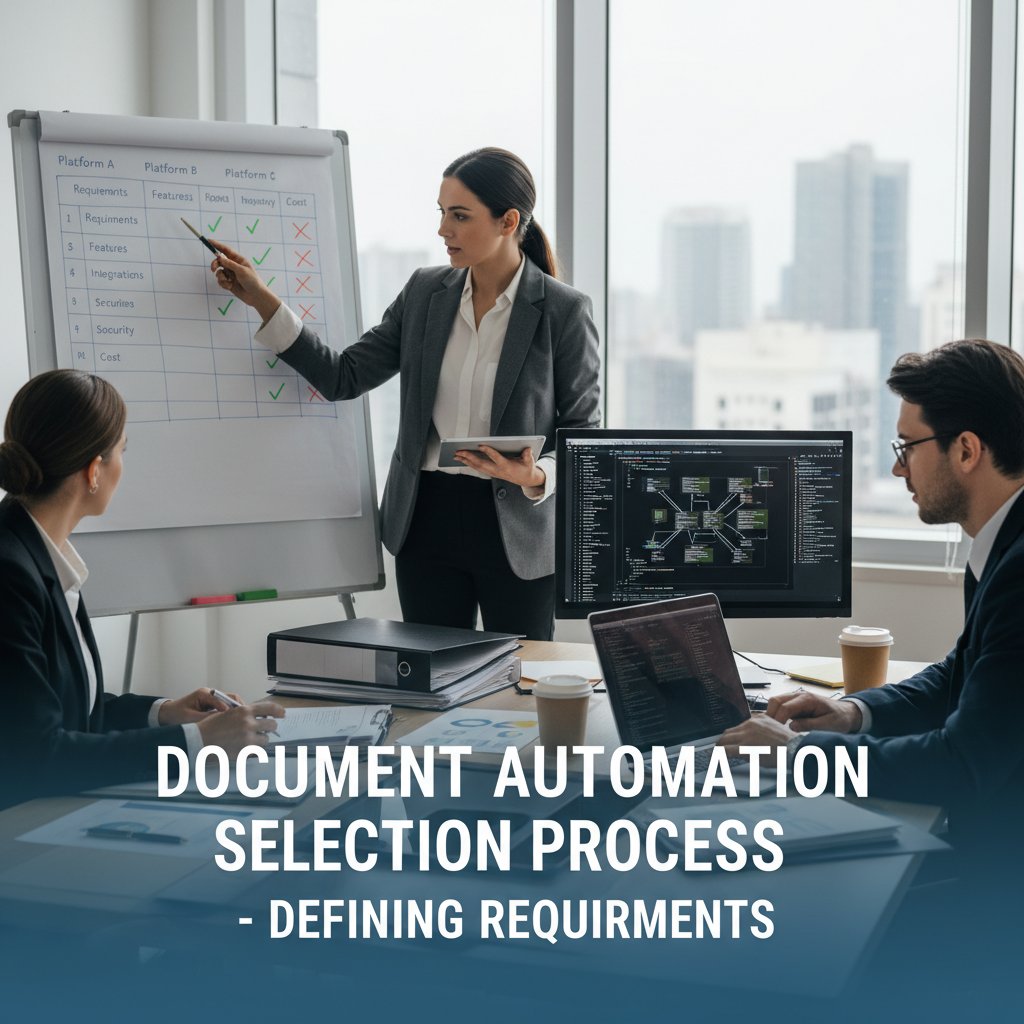
Whether you choose filecreator.ai or another reputable provider, the key is to prioritize adaptability, compliance, and a partner-like approach to automation. Your workflow—and your sanity—deserve nothing less.
Implementation playbook: From chaos to streamlined in 10 steps
Step-by-step guide to rolling out automated document generation
- Define your automation goals: Clarify what you want to achieve—speed, accuracy, compliance, or all three.
- Analyze your existing documents: Identify which files are best suited for automation.
- Select the right platform: Prioritize features, integration, and support based on your goals.
- Map data sources: Ensure seamless connection with your CRM, ERP, or data repositories.
- Design custom templates: Build dynamic templates tailored to your brand and compliance needs.
- Integrate with existing workflows: Avoid redundant copy-paste steps by linking automation directly to your operational systems.
- Pilot with a test group: Gather feedback and refine templates before wide rollout.
- Train your team: Invest in onboarding to maximize adoption and minimize frustration.
- Monitor results: Track KPIs and address issues as they arise.
- Iterate and optimize: Treat automation as a living process that evolves with your business.
Following these steps transforms chaos into clarity—one document at a time.
Automation is only as good as the process behind it. Invest in planning, and your results will follow.
Integration with your existing workflow: No more copy-paste purgatory
The key to successful automation is seamless integration—no more clunky copy-paste between platforms, no more siloed data. Platforms like filecreator.ai enable direct connections with business tools, meaning data flows smoothly from source to document, with compliance checks built in.

The days of switching between apps, tracking down the latest version, or losing time to formatting hell are over. Integration turns document generation from a chore into a competitive edge.
Measuring ROI: Proving value to skeptics and stakeholders
Proving the value of document automation isn’t just about anecdotes—it’s about cold, hard numbers. Here’s a framework:
| Metric | Manual Process | Automated Process | Improvement |
|---|---|---|---|
| Avg. Time per Doc | 60 minutes | 5 minutes | 92% reduction |
| Error Rate | 10% | 1-2% | 80-90% reduction |
| Compliance Issues | Frequent | Rare | Major improvement |
| Cost per Doc | $25 | $3 | 88% reduction |
Table 5: Measuring the ROI of document automation
Source: Original analysis based on MetaSource, 2024
Presenting data like this silences skeptics and secures buy-in for further automation initiatives.
Beyond business: Unconventional uses and future frontiers
Creative, academic, and activist: Automated docs outside the boardroom
AI-powered document generation isn’t just for businesses—it’s fueling innovation across unexpected arenas:
- Academic research: Streamlining grant proposals, citations, and administrative paperwork for universities.
- Activist campaigns: Automating petitions, press releases, and legal filings for grassroots organizations.
- Freelance creatives: Generating customized contracts, pitch decks, and client communications in seconds.
- Personal productivity: Simplifying resumes, cover letters, and event planning for individuals.
The power to generate personalized automated documents is democratizing creativity, advocacy, and everyday life. Where paperwork once stifled action, automation accelerates it.
The next wave: Predictive, adaptive, and truly intelligent documents
The most exciting developments in document automation are happening right now. Predictive AI models anticipate user needs, while adaptive templates morph based on incoming data or regulatory changes. Intelligent workflows even “learn” from past documents to improve outputs over time.

The line between static files and living, breathing documents is blurring—meaning documentation can finally keep up with the speed of business and society.
What happens when everyone automates? Societal and cultural ripples
The mass adoption of document automation is already reshaping not just offices, but entire industries and cultures. As every organization gains access to AI-powered tools, the definition of “work” is evolving. As industry experts often note:
“When automation is everywhere, the differentiator isn’t the tool—it’s how you use it. Creativity, empathy, and strategic insight become non-negotiable.” — quote based on current industry consensus
This isn’t just a tech story—it’s a cultural inflection point, challenging us all to rethink productivity, originality, and value.
Your future with automated documents: Final takeaways and bold predictions
Key lessons: Making the tech work for you, not the other way around
- Automation isn’t about erasing individuality—it’s about giving you more time for deep, meaningful work.
- Security and compliance can’t be bolted on after the fact; they must be built into your workflow from the start.
- The best tools amplify human judgment, not replace it.
- ROI comes not just from speed, but from accuracy, compliance, and reduced risk.
- The real competitive advantage isn’t just better documents—it’s liberated brainpower.
Harnessing the true power of document automation means staying skeptical, adaptive, and relentlessly focused on what matters most.
2025 and beyond: Where document automation is headed next
The future is not a distant concept—it’s unfolding now. With the global market booming, AI capabilities deepening, and new industries joining the movement, the revolution in document creation is accelerating. Platforms like filecreator.ai are at the vanguard, transforming not just how we work, but how we think about work itself.

This is the moment to get ahead—or risk being left behind.
Why being proactive beats playing catch-up
In the race to efficiency and originality, hesitation is the real enemy. As echoed by countless industry leaders:
“Those who automate early don’t just gain an edge—they redefine what’s possible for their teams and customers.” — quote reflecting current leadership sentiment
Personalized automated documents are not a luxury—they are the new baseline. The only question left is this: Will you ride the wave or be swept under it?
Automation is here. The only thing left to choose is your place in the story.
Sources
References cited in this article
- Intelligent Document Processing News 2024(intelligentdocumentprocessing.com)
- MetaSource 2024 Trends(metasource.com)
- StarSoftware 2024 Trends(starsoftware.co)
- WhisperIT Guide(whisperit.ai)
- DocumentLLM 2024(documentllm.com)
- Forbes Council(forbes.com)
- Medium: NLP Trends 2024(medium.com)
- Deqode Blog(deqode.com)
- Dotdigital 2024 Trends(dotdigital.com)
- Nature: Personalized Persuasion(nature.com)
- Windward Studios(windwardstudios.com)
- Astera Blog(astera.com)
- Meinrad Blog(blog.meinrad.cc)
- Forbes Council(forbes.com)
- Global Growth Insights(globalgrowthinsights.com)
- Fortune Business Insights(fortunebusinessinsights.com)
- Verified Market Reports(verifiedmarketreports.com)
- Exploding Topics: AI Startups(explodingtopics.com)
- KPMG Regulatory Challenges 2024(kpmg.com)
- NTT Data: GenAI Risks(nttdata.com)
- Covington & Burling LLP(cov.com)
- Templafy Guide(templafy.com)
- Sison et al., 2023(crowston.syr.edu)
- Forbes: Job Automation(forbes.com)
- Moravio: Vendor Lock-In(moravio.com)
- Auxis: IDP Tools(auxis.com)
- Windward Studios Guide(windwardstudios.com)
- Nanonets Guide(nanonets.com)
- Docupilot Blog(docupilot.app)
- Omnidocs Guide(omnidocs.com)
Perfect Documents, Instantly
Filecreator.ai transforms the way you produce professional documents. Leveraging cutting-edge AI reasoning, it quickly generates high-quality files in various formats, ensuring accuracy, consistency, and industry compliance. Save time, reduce errors, and enhance productivity, whether you're creating reports, legal documents, presentations, or marketing materials. Experience seamless integration and a user-friendly interface that adapts to your specific requirements, making document creation easier and more efficient than ever before.
Get startedStart Creating Professional Documents Today
Join thousands of professionals who trust AI-powered document generation
Frequently Asked Questions
What is the projected growth of the document automation software market?
The global document automation software market is projected to grow from $7.9 billion in 2024 to $24 billion by 2032, with an average compound annual growth rate of 15%.
What are the main pain points of manual document creation mentioned in the article?
The article identifies errors, delays, compliance risks, and burnout as the primary pain points associated with manual documentation.
How does the article define the relationship between automation and job replacement?
According to the article, automation is not about replacing jobs, but rather about eliminating repetitive tasks and freeing up human creativity for higher-value work.
What is intelligent document processing (IDP) and why is it significant?
Intelligent document processing is an AI-driven technology that automates document creation and processing; it represents a significant shift in making manual paperwork obsolete and enabling personalized, automated document generation at scale.
Continue Reading
Explore more from Professional Document Generator

How to Generate Customized Automated Documents Safely
Customized automated documents can boost productivity, but automation risks remain. This article examines the strategies, compliance pitfalls, and how teams successfully balance automation with human oversight.

How AI Enables Personalized Documentation at Scale
AI-powered tools enable personalized documentation at scale, transforming how businesses create targeted documents.

Automated Business Documents: Weighing Risks Against Efficiency
Automating business documents promises efficiency but carries hidden risks. This article examines the real costs, dangers, and benefits of document automation in practice.

How to Automate Official Documents Safely
This article explores why organizations automate official documents, the risks involved, and how to maintain control throughout the process.

Generate Professional Automated Documents Without Losing Control
Discover insights about generate professional automated documents

How AI Shapes Personalized Document Generation
This article examines how professionals generate personalized documents, the myths around AI-powered customization, and what actually happens when you automate document creation.