


Generate Customized Confidentiality Agreements That Actually Work
Written with AI assistance under our editorial guidelines
Most confidentiality agreements fail because they rely on generic templates with vague language and overbroad terms that crumble under legal scrutiny. Custom-tailored NDAs, precisely drafted for your specific jurisdiction and context, provide genuine protection where off-the-shelf forms create false security and leave dangerous loopholes.
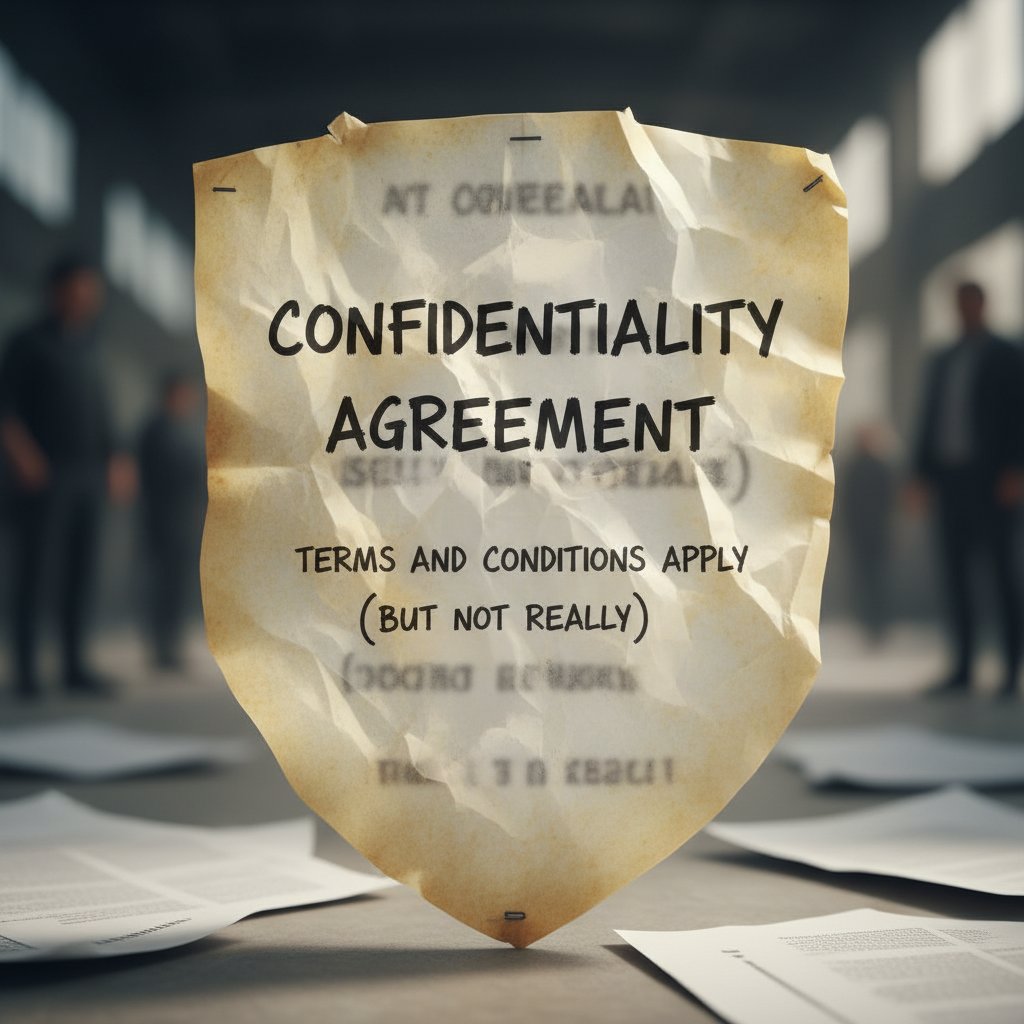
You probably think your NDA is ironclad. The truth? Most confidentiality agreements are little more than paper shields—false security that can crumble the moment real conflict arises. In the war of trade secrets, intellectual property, and sensitive collaborations, the difference between a “bulletproof” NDA and a legal liability often comes down to nuances that generic templates gloss over—or outright ignore. As companies scramble to keep up with the relentless pace of innovation, the temptation to cut corners grows. But in 2024, DIY solutions and off-the-shelf forms no longer cut it. Welcome to the ruthless reality behind generating customized confidentiality agreements, where precision means everything, and ignorance is a luxury you can no longer afford. This guide is your lens into the myths, mechanics, and must-knows of NDAs—backed by real-world cases, expert insights, and a candid dissection of where most get it dangerously wrong.
The NDA myth: Why most confidentiality agreements fail
Understanding the illusion of security
Most people trust NDAs with a blind faith that borders on superstition. The signature goes down, the contract lands in a dusty folder, and everyone breathes easier—until reality bites. Here’s the cold truth: NDAs are not magical shields. Their power lies not in the paper, but in the precision of their language, the context of their creation, and the laws that govern them. According to LexisNexis, the surge in NDA disputes from 2023 to 2024 proves a hard lesson—most breaches are due to vague definitions and overbroad terms that fail in court. As one seasoned legal advisor put it:
"Most people think a signed NDA is a magic shield. It isn’t." — Emily, legal advisor
Relying on a generic NDA is like wearing a raincoat made of tissue paper and expecting to stay dry in a storm.
The real risks of one-size-fits-all agreements
The internet is flooded with free NDA templates, promising instant protection. But that convenience is a trap. These templates rarely account for the unique contexts, jurisdictions, or stakes of your situation. The result? Loopholes wide enough to drive a lawsuit through. In 2023, a mid-sized tech startup trusted a generic NDA from a template site. When a partner leaked their prototype, the court dismissed the claim—the document’s definitions of “confidential information” were so vague, they were meaningless. The damages set the company back years.
Let’s break down how template, customized, and AI-generated NDAs perform in the wild:
| NDA Type | Enforceability (Court) | Common Risks | Best Use Cases |
|---|---|---|---|
| Template | Low | Ambiguity, unenforceable in many jurisdictions | Low-stakes, internal draft only |
| Customized | High (if well-drafted) | Requires expertise, higher upfront effort | Critical deals, IP-heavy industries |
| AI-Generated | Medium–High (with review) | Dependent on tool quality, needs legal check | Fast, scalable, with oversight |
Table 1: NDA outcome comparison. Source: Original analysis based on LexisNexis, 2024, ContractWorks, 2024
Common misconceptions debunked
Three dangerous misconceptions run rampant: “NDAs are always enforceable,” “one NDA fits all,” and “the longer, the better.” All are dead wrong. Enforceability depends on clarity, scope, and compliance with current law. Templates often miss nuances; longer NDAs tend to overcomplicate, introducing more ambiguity and risk. According to LDM Global, many confidentiality agreements have been voided in 2023-2024 due to overreach or noncompliance with changing regulations.
Red flags to watch out for when using NDA generators:
- Fails to define “confidential information” with specifics—leaves too much gray area.
- No mention of jurisdiction, or an inappropriate jurisdiction is selected.
- Duration is indefinite or unclear, creating legal gray zones.
- No exception for information already public or lawfully obtained elsewhere.
- Fails to specify permitted disclosures (e.g., compelled by law).
- Contains non-compete or non-solicit language, risking unenforceability.
- Lacks clear remedies or consequences for breach.
- Omits identification of all involved parties (especially subsidiaries or affiliates).
- Misses industry- or region-specific compliance requirements.
- No provision for amendment or periodic review.
Here’s the kicker: “Free” solutions often become the most expensive mistake you can make. The legal costs of a failed NDA, or the price of lost secrets, dwarf any upfront savings.
A brief history of confidentiality: From handshake deals to AI
How NDAs evolved with business needs
Confidentiality is as old as commerce itself. In early business, a handshake was the contract—reputation did the rest. But as business scaled and technology advanced, the stakes grew. The NDA emerged as a legal tool in the late 20th century, evolving rapidly in response to intellectual property wars, globalization, and digital transformation.
| Year | Milestone |
|---|---|
| 1960 | Early NDAs in tech/defense sectors |
| 1980 | Mainstream adoption in corporate partnerships |
| 2000 | Globalization brings cross-border NDA complexity |
| 2010 | Startups fuel NDA proliferation (template surge) |
| 2020 | Rise of AI-powered NDA generators (filecreator.ai) |
| 2023 | Legal reforms limit overbroad NDAs, especially in HR |
Table 2: Major milestones in the evolution of confidentiality agreements. Source: Original analysis based on LDM Global, 2024, Salt Lake Tribune, 2024

Cultural and societal impacts of NDAs
NDAs haven’t just shaped boardroom deals—they’ve changed the way society handles secrets, scandals, and whistleblowers. High-profile cases, from Silicon Valley to Hollywood, have shown NDAs wield double-edged power: protecting trade secrets on one hand, silencing victims on the other. Their use in harassment and discrimination settlements has drawn fire, leading some jurisdictions to void NDAs in these contexts. As Alex, a privacy advocate, notes:
"NDAs can empower—or muzzle. It’s all about who holds the pen." — Alex, privacy advocate
The tension between privacy and transparency isn’t just theoretical—it’s playing out in courtrooms and headlines right now.
The anatomy of a bulletproof confidentiality agreement
Key clauses you can’t afford to skip
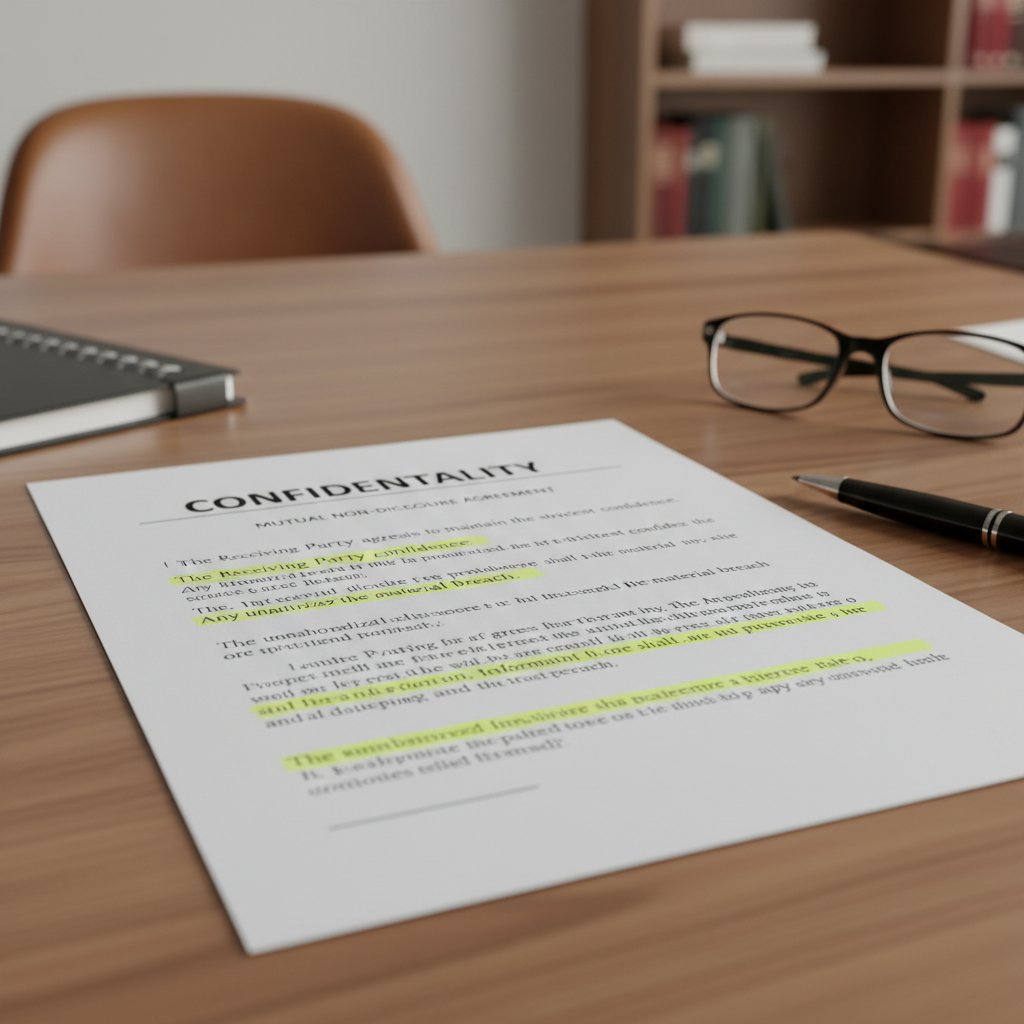
A “bulletproof” NDA isn’t about being long; it’s about being precise. Every word is ammunition—or a liability. At minimum, your agreement should include: a clear definition of confidential information, scope of obligation, exclusions, term/duration, remedies for breach, jurisdiction, and amendment procedures. According to ContractWorks, failing to address even one of these areas is the quickest route to an unenforceable deal.
Priority checklist for NDA implementation:
- Define "Confidential Information" in specific, unambiguous terms.
- Identify all parties accurately (including affiliates).
- Set a clear duration for obligations.
- Outline permitted disclosures (legal, regulatory, etc.).
- Specify remedies and consequences for breach.
- Comply with relevant legal and industry standards.
- Include a mechanism for amendments and regular reviews.
Regional and industry-specific nuances
No two industries—or regions—see NDAs the same way. In healthcare, ethical obligations and patient privacy laws add layers of complexity. In tech, IP and patent issues reign supreme. And cross-border deals? Prepare for legal whiplash: what’s enforceable in California could be void in France. According to MedPage Today, healthcare NDAs must often comply with HIPAA, while education NDAs face scrutiny over student rights.
Key jargon defined:
The person or entity sharing confidential information. Their interests drive the agreement’s protections.
Allows recipients to use ideas “retained in memory.” Hotly contested; courts split on enforceability.
Which court/law governs disputes. Critical—especially for global deals.
Ignoring regional quirks can be catastrophic. In 2023, the US NLRB ruled that overbroad employee NDAs were unenforceable, setting a precedent other jurisdictions are watching.
What lawyers wish you knew about NDAs
Here’s an insider truth: the best NDAs are clean and clear, not crammed with legalese. Overlawyering—loading contracts with dense, confusing clauses—often backfires. As Jordan, a startup founder, observed:
"Clarity beats complexity every time. Overlawyering kills NDAs." — Jordan, startup founder
Complexity creates loopholes. Judges (and juries) respect contracts that make sense—plain English beats a wall of text every time.
The rise of AI-powered NDA generators: Miracle or mirage?
How AI is changing the game
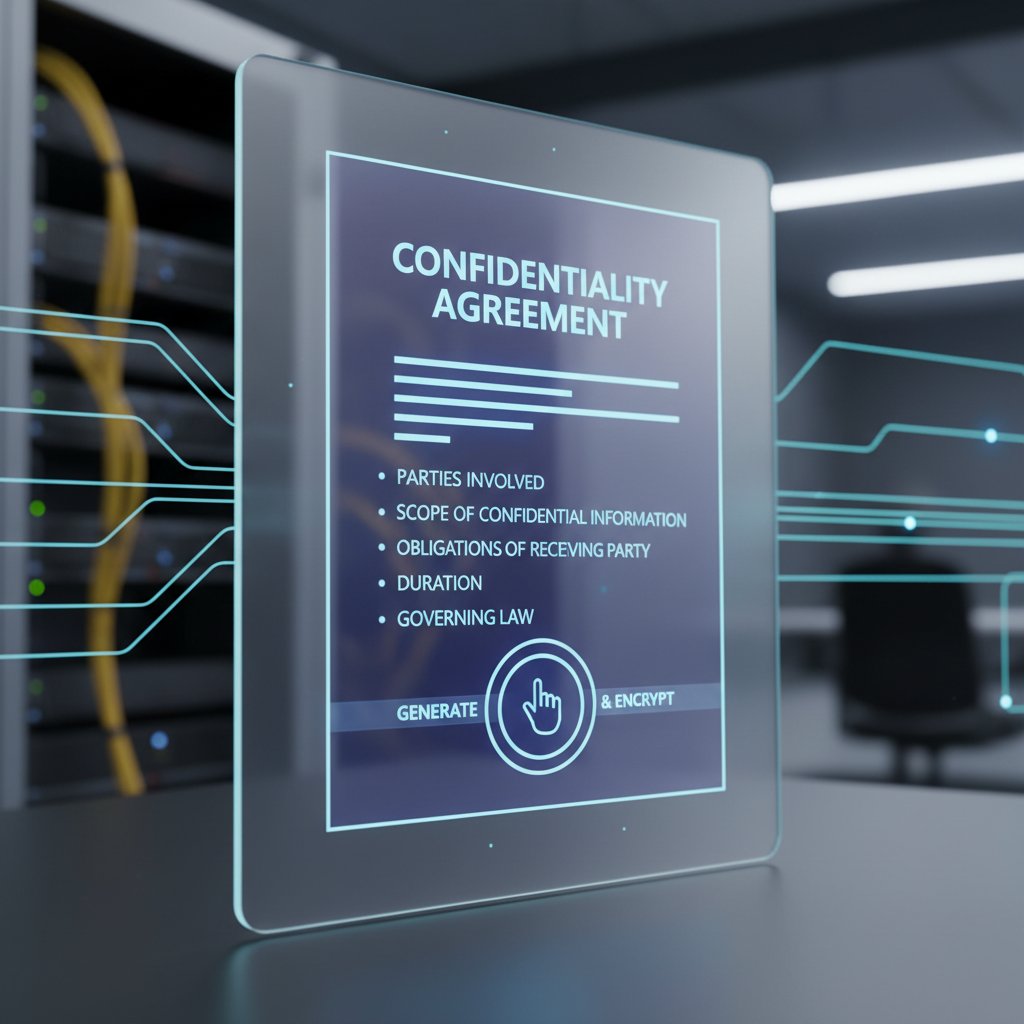
AI-powered NDA generators like filecreator.ai are rewriting the rulebook for legal document creation. Gone are the days of waiting weeks (and paying thousands) for basic contracts. Instead, sophisticated algorithms can now analyze your needs, pull from vast legal databases, and generate customized confidentiality agreements in minutes. Scalability, speed, and accessibility are the new standard. For businesses growing fast—or operating across borders—AI-driven tools offer a level of instant customization previously unthinkable.
Limits and risks of automated agreements
But let’s not sugarcoat: AI generators aren’t foolproof. They struggle with nuanced intent, edge-case industries, or hyper-local legal quirks. Automated NDAs can miss subtleties that a seasoned lawyer would catch. According to ContractWorks, several companies in 2023 faced court challenges after relying on unreviewed, AI-generated NDAs—the tools had omitted jurisdiction clauses or misunderstood the scope, causing the agreements to unravel under scrutiny.
Here’s a feature matrix to illustrate the reality:
| Creation Method | Customization | Speed | Legal Nuance | Cost | Enforceability (with review) |
|---|---|---|---|---|---|
| Manual (Lawyer) | High | Low | High | High | High |
| Template | Low | High | Low | Low | Low |
| AI-Generated | Medium–High | High | Medium* | Low–Med | Medium–High |
*Table 3: NDA creation methods compared. Legal nuance depends on tool quality and legal review. Source: Original analysis based on ContractWorks, 2024
How to vet an NDA generator before you click ‘Download’
Before you trust any NDA generator with your secrets, ask tough questions: Does it let you specify jurisdiction? Can you adjust definitions and exclusions? Is your data protected, or does it end up in some shadowy database? Does the platform offer real legal review or just a form-fill exercise?
Hidden benefits of using advanced NDA generators:
- Guided customization based on industry best practices.
- Automatic error-checking for common pitfalls.
- Up-to-date legal language reflecting current laws.
- Built-in compliance checks for specific regions and sectors.
- Scalable generation for multi-party deals.
- Secure document storage and version history.
- Seamless export to multiple formats (PDF, DOCX, etc.).
But beware: not all AI tools are created equal. Choose platforms like filecreator.ai that combine cutting-edge tech with a commitment to privacy and compliance.
How to generate a customized confidentiality agreement: Step-by-step
Before you start: Self-assessment checklist
Before you write a single word, pause. Who are you protecting? For how long? Against what threats? Understanding your needs, stakeholders, and risk tolerance is the difference between a mere document and a true barrier.
Ask yourself:
- What specific information am I protecting?
- Who are all the parties involved (including subsidiaries/affiliates)?
- What is the duration of confidentiality needed?
- What jurisdictions/laws must this agreement comply with?
- Are there industry-specific regulations (HIPAA, GDPR, etc.)?
- What are the risks if this information leaks?
- Who needs to sign, and are they authorized?
- How will breaches be detected and enforced?
A thorough checklist at this stage prevents headaches and costly oversights later.
Building your NDA: A guided process
Here’s how professionals master the art of generating customized NDAs:
- Clarify your objectives: Know what you need to protect and why.
- Identify the parties: Name all entities, subsidiaries, and individuals.
- Define confidential information: Be as specific as possible—avoid vague buzzwords.
- Set the scope: Outline how information can (and can’t) be used.
- Decide on duration: State the exact timeframe for obligations.
- Choose jurisdiction: Specify which law/court will govern disputes.
- List permitted disclosures: Address exceptions (e.g., legal requirements).
- Describe remedies for breach: Detail consequences and enforcement mechanisms.
- Review for compliance: Cross-check with relevant industry/legal standards.
- Finalize and store securely: Use platforms that provide secure, trackable document management.
Critical decisions lurk at every step: a single overlooked detail can nullify the entire agreement.
What to do after you generate your agreement
Generating your NDA is only the start. Review it carefully—preferably with a legal professional. Negotiate terms with your counterparties; a one-sided deal rarely ends well. Store the signed document securely, using encrypted digital tools where possible. And don’t let it gather dust—revisit and update your NDA as circumstances, laws, or business models evolve.

Case studies: NDA triumphs and disasters
Startups that won by protecting their secrets
In 2023, a biotech startup partnered with a global pharmaceutical company. Before sharing their core IP, they used a customized NDA generated through a professional platform, reviewed by counsel. When a competitor attempted to patent a near-identical process, the NDA’s clarity and jurisdiction clause allowed the startup to secure an injunction, protecting millions in future revenue. The lesson? Customization and diligence pay off.

When bad NDAs led to disaster
Contrast that with a marketing agency in 2024. Relying on a free online template, they shared campaign blueprints with a potential client—who then launched a knockoff campaign, unchallenged. The generic NDA failed to define “work product” or assign jurisdiction. As Morgan, the agency’s owner, lamented:
"We thought we were covered—until the lawsuit hit." — Morgan, business owner
Specifics matter. Boilerplate doesn’t protect your bottom line.
Creative industries: Collaboration and conflict
In film, music, and publishing, NDAs shape collaborations and disputes daily. A well-drafted agreement can resolve disputes before they explode—a lesson learned by a group of freelance designers in 2023, who enforced their rights after a major streaming platform tried to co-opt their concept. The NDA’s explicit terms for “ownership” and “derivative works” made all the difference.
| Sector | Typical NDA Use | Common Pitfall | Success Factor |
|---|---|---|---|
| Film/TV | Script sharing, casting | Ambiguous IP definitions | Clear scope |
| Publishing | Manuscript review | Missing term/duration | Defined timelines |
| Gaming | Pre-release collaboration | Lack of jurisdiction clause | Cross-border clarity |
| Design/Media | Pitching concepts | No remedy for breach | Specified penalties |
Table 4: NDA application across creative industries. Source: Original analysis based on LDM Global, 2024
Controversies and ethics: The double-edged sword of NDAs
When NDAs silence more than secrets
NDAs have come under fire for being used to conceal wrongdoing—think high-profile harassment cases in tech and entertainment. When confidentiality morphs into silence-for-sale, the ethical stakes skyrocket. According to MedPage Today, regulatory bodies in the U.S. and Europe have recently voided NDAs that attempt to cover up harassment or discrimination, putting ethical responsibility front and center.

Balancing transparency and protection
The challenge is threading the needle: protect legitimate secrets, but don’t muzzle whistleblowers or stifle necessary transparency. Emerging best practices stress plain language, carve-outs for legal reporting, and refusing NDAs that stifle public interest.
Definitions that matter:
Both parties agree to protect each other’s confidential information—common in partnerships.
Only one party is disclosing sensitive information—typical in employment or vendor deals.
Explicit carve-out allowing disclosures required by law or in the public interest—essential for ethical NDAs.
The future of NDAs: Reform or reinforcement?
Change is already here. Regulatory crackdowns and social scrutiny are forcing a shift toward more transparent, balanced agreements. AI platforms and instant generators—if used responsibly—can empower users to create compliant, ethical NDAs with less risk. As Taylor, a tech policy analyst, puts it:
"The best NDAs are transparent by design." — Taylor, tech policy analyst
Beyond business: Surprising uses for customized confidentiality agreements
NDAs in personal matters and unconventional settings
Confidentiality agreements aren’t just for boardrooms. In recent years, NDAs have popped up in everything from family estate planning to high-profile divorces and even reality TV contracts. The risks and stakes are different—but the need for clarity is just as critical.
Unconventional uses for customized NDAs:
- Family business succession planning.
- Divorce settlements and spousal support negotiations.
- Prenuptial agreements with confidentiality clauses.
- Estate planning to protect sensitive family information.
- Reality TV or competitive show participation.
- High-profile dating or relationship agreements.
- Medical research participation (outside standard HIPAA forms).
- Social media influencer collaborations.
In these scenarios, the emotional and reputational stakes can be even higher than financial ones.
Cross-industry innovation with NDAs
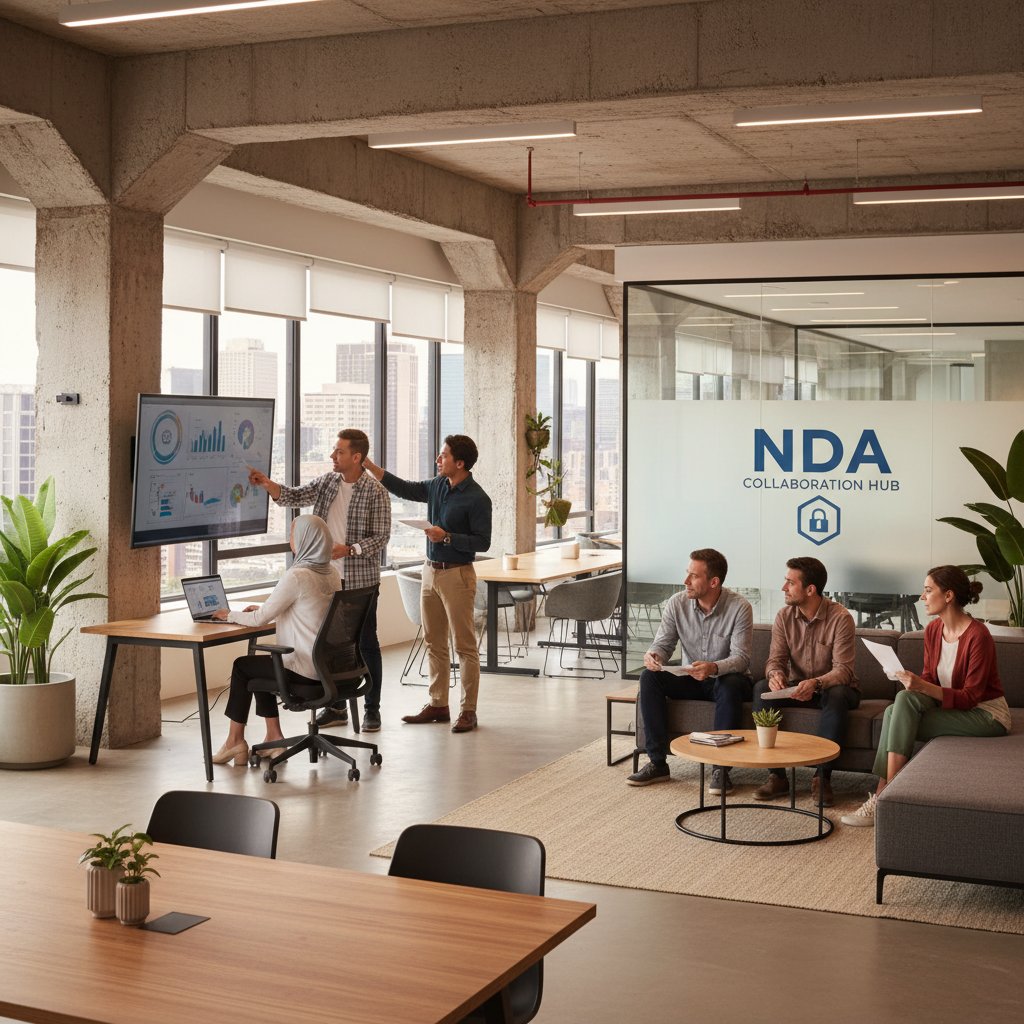
NDAs grease the wheels of cross-industry partnerships. In 2024, biotech and entertainment giants teamed up on health-focused gaming; NDAs enabled both sides to co-create without fear of IP theft. In tech, the flood of “open innovation” relies on robust, tailored confidentiality agreements to keep ideas safe before they hit the market.
Taking action: Protecting your secrets in the age of instant agreements
Final checklist for bulletproof protection
If you remember nothing else, internalize this: the strength of your NDA depends on rigor, not ritual. Here’s your non-negotiable priority list:
- Define what’s confidential—specifically, no gray areas.
- Identify all parties clearly.
- Set explicit duration and jurisdiction.
- Include permitted disclosures and carve-outs.
- Detail remedies and enforcement steps.
- Review and update regularly, especially after key events.
Ongoing review is essential—business changes, so should your agreements.
Leveraging tools like filecreator.ai for next-level security
Modern platforms like filecreator.ai embed best practices and compliance checks into each step, reducing the risk of rookie mistakes. But even with advanced generators, critical decisions—what to include, how to set parameters—still rest with you. For high-stakes deals or complex scenarios, always consult an expert before finalizing.

Your secrets, your terms: The new frontier
The age of fragile, forgettable NDAs is over. Today, real power lies in taking control—combining technology with critical thinking to generate customized confidentiality agreements that actually work. Don’t settle for the illusion of security. Demand clarity, demand compliance, demand agreements that do more than decorate your files. Protect your secrets on your own terms.
Frequently linked filecreator.ai resources
- custom NDA online
- confidentiality agreement generator
- how to make a confidentiality agreement
- personalized NDA template
- build custom contracts
- draft legal documents
- industry compliance
- AI NDA creation
- produce technical manuals
- create professional reports
- generate marketing collateral
- prepare financial statements
- craft HR policies
- error reduction
- enhanced productivity
- multi-format support
- customizable templates
- cost efficiency
- save valuable time
- perfect documents instantly
Sources
References cited in this article
- LDM Global(ldmglobal.com)
- MedPage Today(medpagetoday.com)
- Salt Lake Tribune(sltrib.com)
- LexisNexis(lexisnexis.com)
- ContractWorks(contractworks.com)
- Westlaw Practical Law(content.next.westlaw.com)
- WilmerHale(wilmerhale.com)
- i-agree.io(i-agree.io)
- Bloomberg Law(news.bloomberglaw.com)
- Lexology(lexology.com)
- Taylor Wessing(taylorwessing.com)
- Deel(deel.com)
- People Management(peoplemanagement.co.uk)
- IntellectuallyLegal.com(intellectuallylegal.com)
- SHRM(shrm.org)
- Macfarlanes(macfarlanes.com)
- LegalStix(legalstixlawschool.com)
- Legal Services Board UK(legalservicesboard.org.uk)
- TLT LLP(tlt.com)
- Ontra(ontra.ai)
- Thoughtriver(thoughtriver.com)
- Abun(abun.com)
- Superlegal(superlegal.ai)
- LEXR(lexr.com)
- GenieAI(genieai.co)
- LegittAI(legittai.com)
- SpotDraft(spotdraft.com)
- Rocket Lawyer(rocketlawyer.com)
- Carbon Law Group(carbonlg.com)
- UK NDA Annual Report 2023-24(gov.uk)
- Statista India NDA failures(statista.com)
- Capbase(capbase.com)
- Intepat IP(intepat.com)
- Legal Dive(legaldive.com)
Perfect Documents, Instantly
Filecreator.ai transforms the way you produce professional documents. Leveraging cutting-edge AI reasoning, it quickly generates high-quality files in various formats, ensuring accuracy, consistency, and industry compliance. Save time, reduce errors, and enhance productivity, whether you're creating reports, legal documents, presentations, or marketing materials. Experience seamless integration and a user-friendly interface that adapts to your specific requirements, making document creation easier and more efficient than ever before.
Get startedStart Creating Professional Documents Today
Join thousands of professionals who trust AI-powered document generation
Frequently Asked Questions
Why do most generic NDA templates fail in court?
Generic NDA templates often fail in court due to vague definitions and overbroad terms that cannot withstand legal scrutiny. According to the article, most NDA disputes stem from these imprecise language issues, making them ineffective when actual breaches occur.
What happened to the tech startup that used a generic NDA template?
A mid-sized tech startup in 2023 used a generic NDA template from a template site, but when a partner leaked their prototype, the court dismissed their claim because the document's definitions of 'confidential information' were too vague to be legally meaningful.
According to the article, what is the real source of an NDA's power?
The article states that an NDA's power lies not in the paper itself, but in the precision of its language, the context of its creation, and the laws that govern it.
Why are free NDA templates described as a 'trap' in the article?
Free NDA templates are considered a trap because their convenience masks a fundamental problem: they rarely account for unique contexts, jurisdictions, or specific stakes of individual situations, leaving loopholes that can be exploited in legal disputes.
Continue Reading
Explore more from Professional Document Generator

How Confidentiality Agreements Actually Work in Court
This article explains how to generate confidentiality agreements that hold up legally, covering enforceability, common pitfalls, and the tactics that protect secrets effectively.

Customized Legal Documents: Why Generic Templates Fail
Generate customized legal documents to protect your interests. This article explains the risks of generic templates, how to use AI-powered tools responsibly, and what to scrutinize before signing.

AI-Powered Customized Agreements: Risks Beneath the Convenience
Generating customized agreements carries risks beyond convenience. This article examines the hidden pitfalls of AI-powered document creation and enforcement challenges.

AI-Generated Legal Agreements: Risks and Realistic Benefits
Generating customized legal agreements with AI offers speed but carries real risks. This article examines the hidden costs, security concerns, and what legal professionals actually recommend.

Generating Professional Agreements: Why Precision Matters in 2025
Generating professional agreements requires precision and care in 2025. This article explains why generic templates fail, what risks to avoid, and how to protect your business.

Creating Custom Legal Documents: Risks and Protection Strategies
Creating custom legal documents carries real risks. This article covers seven key truths about document creation, common pitfalls, and effective methods to protect your interests.