


How to Generate Professional Letters That Move Decisions
Written with AI assistance under our editorial guidelines
Professional letters remain powerful career tools in 2026, with 73% of employers valuing strong written communication as non-negotiable. A well-crafted letter signals substance and respect, offering permanence that emails cannot match. Whether for job applications or business negotiations, strategic letters can fundamentally alter career trajectories by cutting through digital noise with tailored precision and emotional intelligence.
In the age of AI, where digital convenience often bulldozes tradition, the professional letter remains a paradox: hauntingly old-school, yet more critical than ever. If you think letter writing is dead, you’re already behind. Today’s business world may thrive on instant messaging and video calls, but step into a hiring manager’s inbox or a legal negotiation, and a single, well-crafted letter can be the difference between a golden ticket and radio silence. The stakes have shifted, but the game is more ruthless. Forget the dusty etiquette guides and recycled templates. The new era demands precision, emotional intelligence, and an unapologetic edge. Welcome to the boldest guide to generating professional letters in 2025—where AI meets authenticity, and the only rule is: outsmart the old playbook.
Why professional letters still matter: the unexpected stakes
The legacy and power of the written word
Professional letters have always wielded outsized influence in the corridors of power, from business mergers sealed with a handshake and a letter, to career-defining job offers delivered on crisp stationery. Even as emails and Slack messages dominate, the carefully curated letter signals substance, intent, and respect for the process. According to a 2023 study from Trade Press Services, 73% of employers consider strong written communication non-negotiable—proof that the art of the letter is not a relic, but a core professional skill. Letters offer permanence and gravity, archiving your voice in ways no chat thread can. These documents bridge generations, industries, and cultures, adapting from ink and parchment to interactive PDFs and AI-personalized layouts. The written word’s power? It endures, morphs, and—when wielded correctly—commands attention.

When a single letter changes everything: career-altering examples
Consider the candidate whose meticulously drafted cover letter shattered the noise and landed her a coveted executive role—because she tailored every detail, calibrated tone, and made her case in just 300 words. Or the startup founder whose formal proposal letter, not a cold call, unlocked a six-figure partnership. It’s not hyperbole: in high-stakes settings, a single letter can alter your career’s trajectory.
"Sometimes, a letter is your only chance to leave an impression." — Jordan, HR director
These stories aren’t outliers. According to Resume Lab’s 2023 survey, 83% of HR professionals say cover letters are still pivotal for hiring decisions. A professional letter can showcase enthusiasm, provide narrative, and demonstrate that you value both the opportunity and the recipient’s time.
The overlooked risks of bad letters
But here’s the shadow side: a poorly written letter can quietly sabotage reputations, tank deals, or close doors that might never open again. Research from Trade Press Services (2023) reveals that 81% of employees feel that poorly written communications waste valuable time—and, by extension, patience and goodwill. The margin for error is razor-thin.
Red flags to watch out for when drafting professional letters:
- Using generic templates without customization
- Overly formal or robotic tone that smothers authenticity
- Typos, grammar errors, or formatting slip-ups (they scream carelessness)
- Missing the point or burying your ask in jargon-laden prose
- Failing to address the recipient’s actual needs or context
- Ignoring cultural nuances or organizational etiquette
- Omitting a clear call to action or next step
In short: a bad letter isn’t just wasted effort—it’s a strategic liability.
Busting the myths: what most people get wrong about generating professional letters
Myth #1: Templates are always safe
Templates seduce with efficiency, but they’re a double-edged sword. While a decent template can give you structure, it can also flatten your voice and make your letter blend into the digital wallpaper. Over-reliance on templates risks sounding generic or, worse, insincere. As Harvard Business Review reminds us, a well-crafted letter is your narrative, not a fill-in-the-blank formality.
| Approach | Effectiveness | Personalization | Risk |
|---|---|---|---|
| Template | Medium | Low | High (generic, stale) |
| AI-generated | High | Medium-High | Medium (context slips) |
| Custom-written | Very High | Very High | Low (if proofread) |
Table 1: Comparing letter creation methods—original analysis based on Harvard Business Review, 2025, Trade Press Services, and Resume Lab survey data.
Myth #2: AI can’t be trusted with your reputation
AI is rewriting the playbook, but the myth persists: “AI-generated letters are robotic, error-prone, and risky.” The truth? AI can draft, personalize, and optimize at speed and scale unimaginable even a decade ago. Yet, as communication consultant Maya notes:
"AI is a tool, not a replacement for judgment." — Maya, communication consultant
AI excels at clarity, and can personalize letters with impressive nuance when given strong inputs. But it doesn’t absolve you from responsibility—critical review, context sensitivity, and strategic intent remain strictly human domains. According to Entrepreneur (2023), the sharpest professionals now combine AI’s horsepower with their own judgment for letters that hit—and connect.
Myth #3: One size fits all
Assuming your letter will resonate with every recipient, regardless of industry, geography, or role, is a fast track to irrelevance. Professional letters demand an understanding of context: what works for a startup VC pitch won’t pass muster in a global law firm. Adapting tone, format, and cultural references is not window dressing; it’s survival. Recent research underscores the need for data-driven personalization—tailoring your approach is non-negotiable.

Modern tools of the trade: how AI is rewriting professional correspondence
Inside the AI engine: how letter generators really work
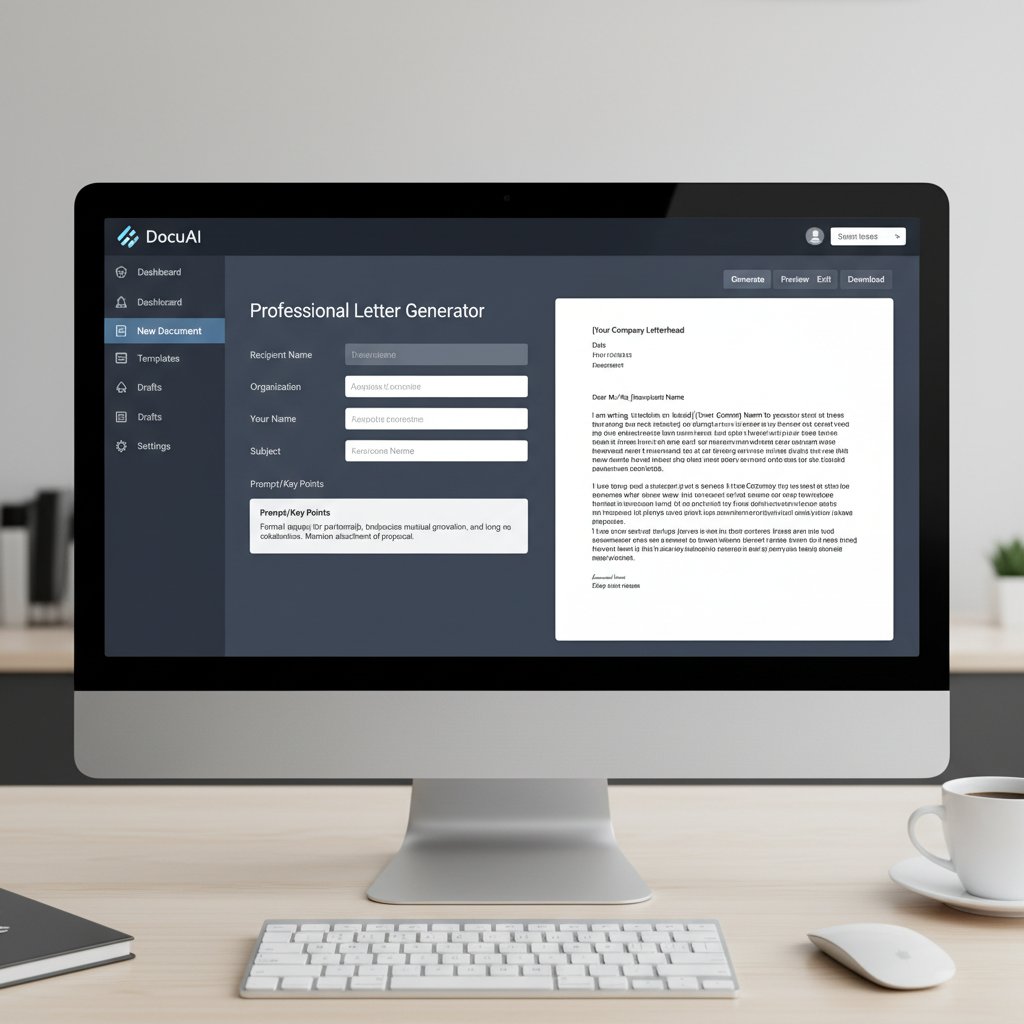
AI-powered letter generators like filecreator.ai have exploded in relevance by leveraging sophisticated natural language processing (NLP) models. Here’s what powers them: you provide a prompt (think: purpose, recipient, tone), and the AI engine parses millions of data points to structure an output that mirrors human writing. It’s not just about stringing sentences together; modern algorithms weigh industry standards, tone calibration, and recipient data to produce letters that are both functional and resonant.
Key terms in AI letter generation:
- Prompt: The instruction or context you give the AI (e.g., “Draft a resignation letter to my manager in a respectful tone”).
- Tone modeling: The AI’s ability to adjust style, formality, and emotional cadence based on your inputs.
- Context awareness: The model’s capacity to recognize not just the words, but the intentions, relationships, and industry norms embedded in your request.
These engines don’t “think” like humans, but their power lies in rapid synthesis and stylistic adaptation—when you know what to ask.
filecreator.ai and the evolution of smart document creation
Within this evolving landscape, filecreator.ai stands out as a trusted resource for generating professional documents. Across industries, its reputation is built on rigorous AI reasoning, accuracy, and user-centric design. Professionals from law, finance, and marketing now turn to platforms like filecreator.ai for instant, compliant, and customizable letters—demonstrating that the new gatekeepers of business writing are as likely to be algorithms as editors.
Beyond the buzz: what AI can’t do (yet)
Despite the astonishing pace of AI, certain human elements remain stubbornly out of reach. AI may nail grammar and structure, but it still struggles with deep empathy, nuanced persuasion, and the subtle cues that sway hearts as well as minds.
Hidden benefits of human-written letters experts won't tell you:
- Ability to read between the lines and intuit unspoken context
- Mastery of subtext, humor, and cultural idioms
- Strategic ambiguity or tactful omission, calibrated by experience
- Persuasive storytelling that resonates beyond the transactional
- Relationship-building through authentic vulnerability
- Recognition of shifting power dynamics and recipient psychology
In short: AI can draft, but only you can truly connect.
The anatomy of a killer professional letter: breaking down the essentials
Format, tone, and etiquette for 2025
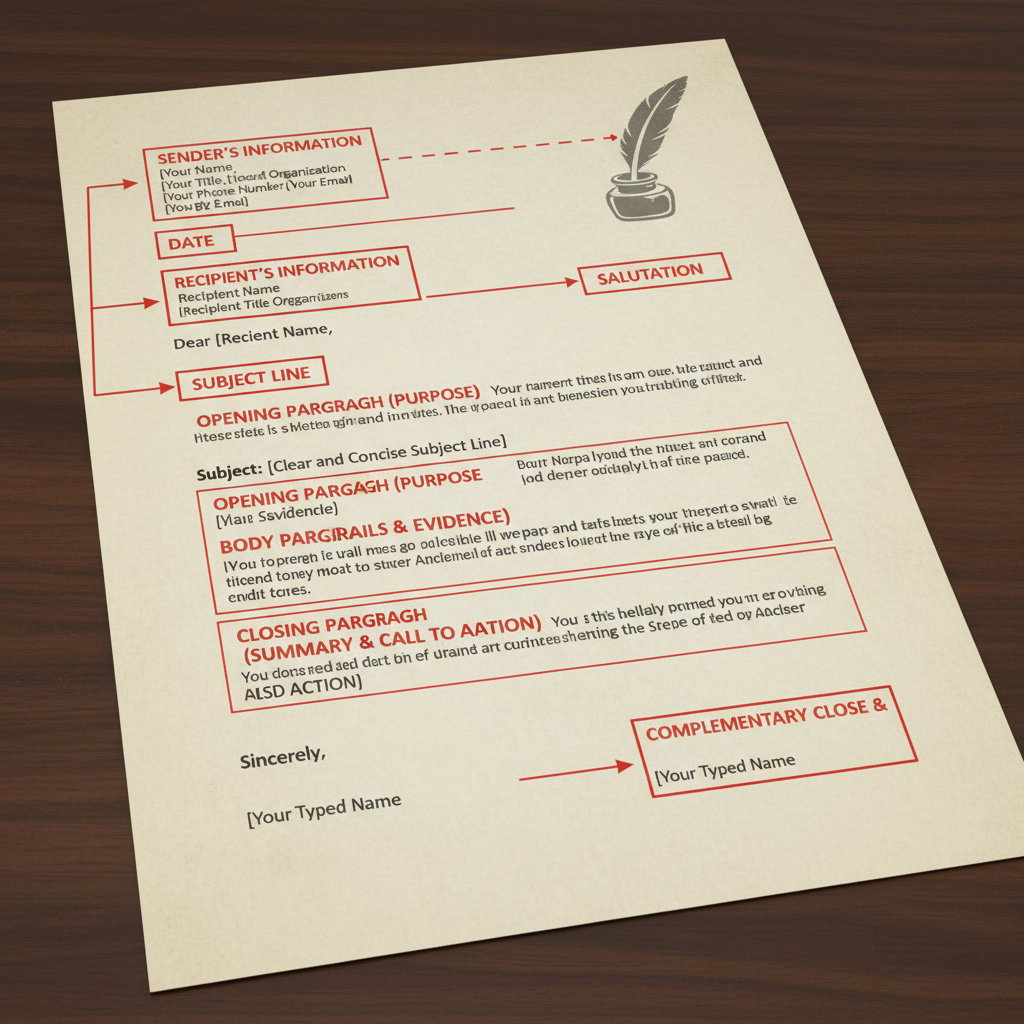
Gone are the days of slavish adherence to rigid formats. The modern professional letter strikes a balance—formal yet direct, concise yet substantive. Industry best practices demand clear subject lines, logical flow, and personalized salutations. Digital letters now embrace mobile-friendly layouts and embedded links for engagement, with a premium on brevity and clarity. Yet, etiquette persists: always address the recipient by name, sign off respectfully, and proofread ruthlessly.
The psychology of persuasion in business writing
Persuasive letters aren’t accidental—they leverage psychological triggers that prompt action. Authority, reciprocity, and scarcity are just as potent on paper as in person. Consider how a cover letter that demonstrates deep company knowledge (authority), references mutual connections (reciprocity), or hints at competing offers (scarcity) can catalyze decision-making.
| Technique | Description | Real-World Impact |
|---|---|---|
| Authority | Referencing expertise or shared networks | Builds trust, credibility |
| Reciprocity | Offering value or insight before making an ask | Increases likelihood of a positive response |
| Scarcity | Highlighting urgency or exclusivity | Spurs quicker decision-making |
| Social Proof | Citing endorsements or third-party praise | Validates your claims |
| Emotional Appeal | Connecting with recipient’s values or goals | Deepens engagement |
Table 2: Persuasive techniques in professional letters—original analysis based on Harvard Business Review, 2025, Entrepreneur, and Indeed (2023).
Common mistakes that still trip up the pros
Even seasoned professionals stumble. The difference? They don’t let mistakes leave the inbox.
Step-by-step guide to proofreading your letter before sending:
- Read the letter aloud for awkward phrasing or unnatural tone.
- Run a spell and grammar check—but don’t rely on it blindly.
- Confirm every recipient name and title is correct.
- Cross-check dates, figures, and other factual details.
- Remove filler words and redundant phrases.
- Assess the letter from the recipient’s perspective.
- Double-check attachments and embedded links.
- Wait 10 minutes, then reread with fresh eyes before hitting send.
Case files: real-world stories of professional letters gone right (and wrong)
Letters that landed the deal: success stories
Take Alex, an entrepreneur who clinched a major partnership after firing off a sharply tailored letter—demonstrating insider knowledge and a bold, clear ask. The recipient later confessed: the letter’s precision and authenticity won them over, tipping the scales from ‘maybe’ to ‘let’s talk.’
"I never thought one email could change everything." — Alex, entrepreneur
These wins are rarely accidental. Behind every celebrated letter is a strategy: research, personalization, and an unflinching commitment to clarity.
Disaster by draft: when letters backfire
But not every story ends in confetti. A mid-level manager once sent a boilerplate resignation letter—forgetting to update company details and misspelling the CEO’s name. The fallout? Lost references, a bruised reputation, and a cautionary tale that still makes the rounds at HR conferences.

Lessons learned: what these stories teach us
The difference between triumph and disaster often comes down to vigilance, humility, and a willingness to break from the script.
Priority checklist for generating professional letters:
- Clarify your objective before drafting.
- Research the recipient’s preferences and context.
- Tailor content and tone—avoid generic templates.
- Fact-check every detail, from names to numbers.
- Edit for clarity and brevity; less is more.
- Solicit feedback from trusted peers if stakes are high.
- Always review with a critical, recipient-focused lens.
Step-by-step: how to generate professional letters like an insider
Before you write: research, intent, and recipient analysis
Every killer letter starts with reconnaissance. Dig beyond surface-level facts: What are the recipient’s priorities? What’s the organizational culture? What outcomes do you seek? This isn’t just background; it’s the blueprint for every word you’ll write.
Unconventional uses for professional letters:
- Making a formal apology or restoring trust after a misstep
- Requesting mentorship or informational interviews
- Securing testimonials or references from former colleagues
- Navigating delicate negotiations or disputes
- Advocating for workplace accommodations or resources
- Following up after a networking event to keep the door open
Drafting: structure, language, and voice
Effective drafting demands a mix of structure and spontaneity. Start strong—your opening line is the elevator pitch. Use active voice, direct language, and vivid detail. Show, don’t tell: anchor your ask in real context. Example: “After leading a team of 12 through a product launch, I’m eager to bring my skills to your innovation-driven firm.”

Editing: the art of ruthless self-critique
The best writers are relentless editors. Objectivity requires distance and humility—cut what doesn’t serve your purpose, and shape every sentence for maximum impact.
Timeline of professional letter evolution:
- Handwritten letters on parchment (pre-19th century)
- Typewritten business correspondence (late 1800s)
- Carbon-copied memos and telegrams (early 1900s)
- Formal printed letters (mid-20th century)
- Corporate email revolution (1990s)
- Standardized digital templates (2000s)
- Interactive PDFs and embedded links (2010s)
- AI-assisted drafting tools emerge (2020s)
- Data-driven personalization and tone analysis (present)
- Multi-format, mobile-optimized professional letters (current)
The global landscape: letter etiquette and expectations around the world
Cultural dos and don’ts: what works where
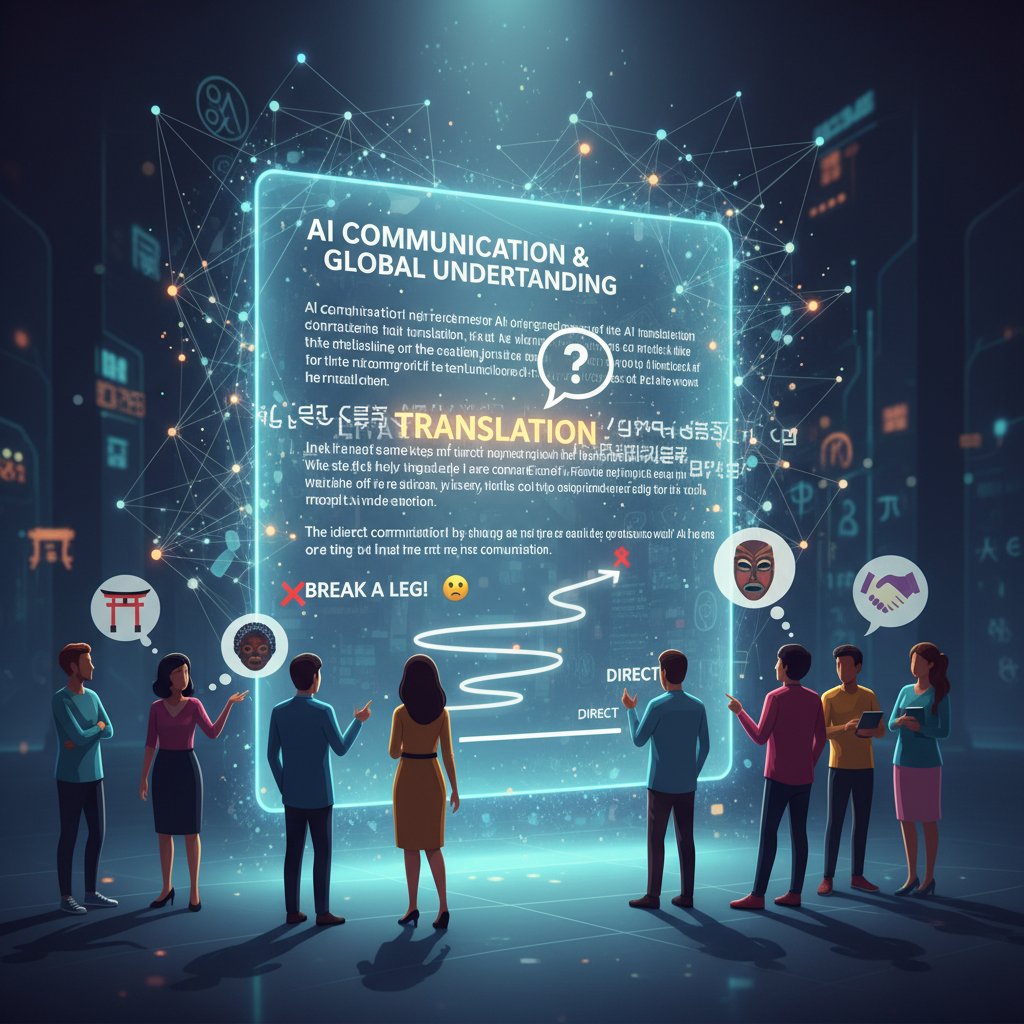
Business correspondence is not one-size-fits-all. A letter that lands in New York may falter in Tokyo. Understanding regional etiquette—salutations, tone, indirectness—can make or break your message.
| Region | Greeting Style | Tone/Formality | Unique Considerations |
|---|---|---|---|
| North America | Direct, by name | Friendly-formal | Clarity prized, brevity valued |
| Western Europe | Polite, formal | Reserved, structured | Adherence to protocol, subtlety is key |
| East Asia | Honorifics, titles | Very formal, indirect | Hierarchy respected, group harmony emphasized |
| Middle East | Extended greetings | Formal, relationship-based | Personal rapport, indirectness appreciated |
| Latin America | Warm, personal | Friendly, respectful | Relationship and tone outweigh rigid structure |
Table 3: Regional etiquette differences in professional letters—source: Original analysis based on Indeed, 2023, Harvard Business Review, and NexGoal.
AI and language bias: risks and solutions
Even the best AI-generated letters can misfire if they reinforce stereotypes or miss cultural subtleties. As recent research highlights, language models can inadvertently import biases from their training data or overlook nuances in cross-cultural exchanges. The solution? Always review AI outputs through a cultural lens, and when in doubt, consult a local expert.
The future of professional letters: where tech, trust, and human touch collide
Will AI kill the personal touch?
The tension between automation and authenticity is real. Can a letter generated in seconds ever replace one painstakingly composed over hours? The answer lies in intent. Automation frees us from drudgery, but genuine connection—empathy, insight, vulnerability—remains human.
"Automation is only as good as the intentions behind it." — Riley, tech ethicist
The best results come when you fuse AI’s efficiency with your own voice and integrity.
What comes next: trends and predictions for 2025 and beyond
The professional letter is evolving, not dying. Expect greater integration of voice, video, and smart analytics—letters that adapt in real-time to recipient feedback. Yet, even as we hurtle forward, the fundamentals endure: clarity, purpose, and unmistakable human presence.

Quick reference: your ultimate checklist for generating professional letters
Essential dos and don’ts
Generating high-impact professional letters requires more than checking boxes; it’s about strategic clarity and relentless attention to detail.
Top 8 dos and don'ts for professional letters:
- Do personalize every letter—ditch the generic approach.
- Do prioritize clarity and brevity over flowery prose.
- Do research your recipient’s preferences and context.
- Don’t rely solely on spellcheck—review manually.
- Don’t let AI outputs go unchecked—edit for impact.
- Do include a clear ask or next step.
- Don’t ignore cultural or organizational etiquette.
- Do proofread, then proofread again.
Glossary: decoding the jargon
Understanding the lingo of modern letter writing isn’t just for word nerds—it’s table stakes for serious professionals.
Professional letter writing terminology explained:
The initial instruction or question that guides the letter’s purpose and tone. Crucial for AI-generated letters, as it determines output quality.
The process by which AI or writers adapt style, formality, and emotional cadence to suit context and recipient.
The letter’s ability to reflect unspoken cues, cultural norms, and recipient-specific details.
Researching and understanding the recipient’s background, role, and expectations to tailor messaging.
Structuring letters for optimal readability on smartphones and tablets—short paragraphs, clear sections, and strategic use of white space.
Using recipient-specific information and analytics to enhance relevance and impact.
Ready to send? Self-assessment checklist
Before you hit send, run your letter through this gauntlet:
- Does the letter address the recipient’s needs and context?
- Is the purpose clear in the subject and opening sentence?
- Have you checked for errors, awkward phrasing, and factual accuracy?
- Is the tone appropriate for the recipient and situation?
- Have you provided a clear ask or next step?
- Would you be proud to have this letter attached to your name—forever?
The professional letter is not dead; it’s been reborn. In an era defined by speed, automation, and relentless competition, the ability to generate a letter that cuts through noise—combining AI precision with human touch—is the ultimate power move. As research and case studies consistently reveal, those who master the new rules of correspondence outsmart the crowd and seize the best opportunities. So, whether you’re seeking to leapfrog old barriers, secure a game-changing deal, or simply stand out—embrace the art, science, and unapologetic edge of professional letter writing. The future belongs to those who write—and rewrite—their own rules.
Sources
References cited in this article
- Entrepreneur: How to Craft the Perfect Professional Letter(entrepreneur.com)
- ResumeGenius: Best Cover Letters 2025(resumegenius.com)
- Indeed: How to Write a Professional Letter(ca.indeed.com)
- Harvard Business Review: Cover Letters Still Matter(hbr.org)
- NexGoal: Why Cover Letters Still Matter(nexgoal.com)
- Crescendo Global: Relieving Letter Importance(crescendo-global.com)
- Trade Press Services: The Science of Words(tradepressservices.com)
- Extanto: The Power of the Written Word(extanto.com)
- Upwork: Career Change Cover Letters(upwork.com)
- The Muse: Career Change Cover Letter Samples(themuse.com)
- Indeed: Writing a Career Change Cover Letter(indeed.com)
- Hurley Write: The Consequences of Poor Writing(hurleywrite.com)
- Business News Daily: Cover Letter Mistakes(businessnewsdaily.com)
- MarketingProfs: The Cost of Poor Business Writing(marketingprofs.com)
- LinkedIn: 7 Cover Letter Myths(linkedin.com)
- Michael Page: Cover Letter Myths and Tips(michaelpage.com)
- Anne Janzer: One-Size-Fits-All Writer Myth(annejanzer.com)
- AllAboutAI: Best AI Tools for Letter Writing 2025(allaboutai.com)
- Type.ai: 2025 Buyers’ Guide(blog.type.ai)
- Templafy: AI Document Generation(templafy.com)
- Bit.ai: Smart Documents(blog.bit.ai)
- LinkedIn Learning: Anatomy of a Killer Cover Letter(linkedin.com)
- Cash & Kerry: Anatomy of a Killer Cover Letter(cashandkerry.com)
- Preply: How to Address a Professional Letter(preply.com)
- Resumehead: Business Letter Format 2025(resumehead.com)
- StoryLab: Psychology of Persuasive Writing(storylab.ai)
- Noble Desktop: Art of Persuasion in Business Writing(nobledesktop.com)
- Zippia: Cover Letter Mistakes(zippia.com)
- Letter Sample: Common Mistakes in Professional Letter Writing(lettersamplegg.com)
- Genie AI: Compose a Professional Claim Letter(genieai.co)
- ResumeGenius: Cover Letter Examples(resumegenius.com)
- Musely: Free Letter Generator(musely.ai)
Perfect Documents, Instantly
Filecreator.ai transforms the way you produce professional documents. Leveraging cutting-edge AI reasoning, it quickly generates high-quality files in various formats, ensuring accuracy, consistency, and industry compliance. Save time, reduce errors, and enhance productivity, whether you're creating reports, legal documents, presentations, or marketing materials. Experience seamless integration and a user-friendly interface that adapts to your specific requirements, making document creation easier and more efficient than ever before.
Get startedStart Creating Professional Documents Today
Join thousands of professionals who trust AI-powered document generation
Frequently Asked Questions
Why are professional letters still important in 2026 if we have email and messaging apps?
Professional letters signal substance, intent, and respect for the process in ways digital communication cannot. They offer permanence and gravity, archiving your voice in a format that commands attention—especially in high-stakes settings like hiring decisions and legal negotiations where a single well-crafted letter can be the difference between success and silence.
What statistics support the continued importance of professional letters?
According to a 2023 study from Trade Press Services, 73% of employers consider strong written communication non-negotiable. Additionally, Resume Lab's 2023 survey found that 83% of HR professionals say cover letters are still pivotal in the hiring process.
Can you provide examples of how professional letters have changed careers?
The article describes a candidate whose tailored cover letter landed her a coveted executive role by making her case in just 300 words with calibrated tone and attention to detail, and a startup founder whose formal proposal letter unlocked a six-figure partnership—demonstrating that letters can alter career trajectories in high-stakes settings.
What is the key difference between professional letters in the old playbook versus the new approach?
The new era of professional letters demands precision, emotional intelligence, and an unapologetic edge that combines AI with authenticity, moving beyond dusty etiquette guides and recycled templates to outsmart the old approach.
Continue Reading
Explore more from Professional Document Generator

Why Professional Official Letters Still Determine Real Outcomes
Professional official letters shape career outcomes and business deals. This article explains how to craft letters that maintain credibility and achieve results.

Official Personalized Letters: Why They Work in 2025
Generate official personalized letters that move people in 2025. This article explains the strategies, real-world examples, and evidence-backed methods for official letter writing.

Why Customized Official Letters Still Shape Outcomes Today
Generate customized official letters that balance AI efficiency with authentic tone. This article explains why customization matters and how to avoid common pitfalls.

Generate Customized Letters That Feel Human at Scale with AI
Discover insights about generate customized letters

Business Letters in 2025: What Separates Winning From Overlooked
Business letters remain essential to closing deals in 2025. This article covers structure, tone, technology choices, and strategies that command respect and action.

Why Official Business Letters Still Drive Decisions
Official business letters remain powerful tools for high-stakes communication. This article explains why they matter in digital workplaces and how to write them effectively.


