


Software to Create Detailed Reports That Don’t Fail in Reality
Written with AI assistance under our editorial guidelines
Most reporting software fails because it prioritizes impressive demos over real-world utility, drowning users in data while delivering few actionable answers. Generic tools lock customization behind paywalls or require developer intervention, forcing teams to waste hours on manual workarounds instead of extracting genuine business value from their data.
Beneath the sleek surface of modern business, the war for clarity is fought in spreadsheets, dashboards, and data streams. The promise of software to create detailed reports is seductive—a world where every data point tells a story, every dashboard delivers insight, and business decisions are driven by clean, actionable truth. But here’s the raw reality: most tools drown users in noise, not answers. In 2025, the stakes for report generation have reached a fever pitch. Automation, AI-driven insights, and real-time data feeds are now table stakes, but the difference between winning and failing isn’t just what your tool does—it’s how brutally honest it is about your company’s reality. This isn’t just another guide. It’s a wake-up call to what separates cutting-edge reporting software from the sea of mediocrity, why old assumptions will cost you, and how the right tool—used ruthlessly well—can flip the narrative. Welcome to the new edge of data-driven decision-making.
Why most reporting software fails in the real world
The hidden pain of generic tools
On the surface, most reporting software options look slick: dashboards brimming with colorful charts, endless integration promises, and features galore. Yet, underneath, the majority are generic to the point of uselessness. According to industry research, more than two-thirds of large-scale tech programs fail to deliver on time, budget, or scope—often because the reporting tools are built to impress at the demo, not deliver in the trenches (BCG, 2024). Analysts end up wrestling with rigid templates, staring down endless dropdown menus, and manually patching holes the software leaves gaping.

"When your tool drowns you in data but starves you of answers, you know something’s broken." — Nina, Senior Analyst
The frustration is palpable. Users often find that what was billed as “flexible” barely lets them tweak key fields. Customization is locked behind paywalls or requires a developer’s intervention. The result? Reports that look pretty but say little, and teams who waste precious hours hacking around the tool rather than extracting value.
- Hidden costs of generic reporting tools:
- Time lost to manual workarounds: When templates can’t be adjusted, users waste hours rebuilding reports outside the system—defeating the point of automation.
- Training and onboarding drag: Generic platforms rarely fit a team’s real-world processes, leading to drawn-out learning curves and expensive consulting.
- Data silos and rework: Lack of customization forces teams to export, reformat, and “Frankenstein” data, increasing the risk of version errors and inconsistent metrics.
- Hidden upgrade fees: Essential features like advanced filters or export formats often lurk behind expensive upgrades, catching organizations off guard.
- Compliance and security blind spots: Off-the-shelf tools may lack the controls required for regulated industries, exposing firms to compliance risks and audit pain.
- Morale erosion: The psychological toll of fighting a tool instead of leveraging it drains energy and stifles innovation.
- Missed insights: Generic layouts obscure patterns unique to your business, causing critical signals to get lost in the noise.
The cost of poor reporting: Beyond lost time
The consequences of subpar reporting software ripple far beyond wasted hours. In recent years, major organizations have suffered multi-million-dollar losses due to reporting errors, missed updates, and delayed insights. Inaccurate or late reports undermine decisions at every level—leading to missed market opportunities, regulatory fines, and even public PR disasters.
| Year | Estimated Global Losses from Reporting Failures (USD) | Notable Incidents |
|---|---|---|
| 2020 | $1.2B | Major financial misstatements (various) |
| 2021 | $1.5B | Public sector delays, compliance fines |
| 2022 | $2.0B | Large-scale tech outages (e.g., software bugs) |
| 2023 | $2.6B | IT failures, cloud reporting errors |
| 2024 | $3.1B | CrowdStrike outage, NASA license mishap |
| 2025 | $3.0B (YTD) | Ongoing AI reporting flaws |
Table 1: Business losses attributed to reporting software errors, 2020-2025. Source: CIO, 2024
The emotional toll is just as real. Teams relying on bad tools experience chronic anxiety—never quite trusting the numbers, always double-checking for errors. Strategic momentum stalls as leaders second-guess data or delay bold moves until “just one more report is pulled.” Meanwhile, competitors with bulletproof reporting pipelines move faster, outmaneuvering those stuck in analysis paralysis.
Why ‘all-in-one’ promises backfire
The myth of the “one-size-fits-all” platform endures, but at what cost? All-in-one reporting suites often market themselves as a panacea, promising seamless everything—CRM, analytics, dashboards, document management. In reality, bloated platforms breed confusion, slow performance, and frequent breakdowns. As Alex, a systems architect, puts it:
"The more features, the more ways to fail—simplicity wins battles." — Alex, Systems Architect
Workflow chaos is more than an inconvenience; it’s a business risk. Case in point: several high-profile outages in 2024 were traced back to overloaded reporting modules that couldn’t handle real-time data or integrated poorly with critical systems (Medium, 2024). Instead of clarity, teams get a digital Rube Goldberg machine, where fixing one bug spawns two more issues. The result? Missed deadlines, frustrated users, and a creeping distrust of the software that was supposed to make life easier.
The evolution of report creation: From spreadsheets to AI
A brief (and brutal) history of reporting tools
It wasn’t always dashboards and drilldowns. The history of reporting software is a trail of disruption—a timeline that reveals just how far we’ve come, and why complacency is fatal. The journey from hand-drawn bar charts to AI-powered analytics has been messy, driven by the relentless need for better, faster, and more meaningful insight.
- Pre-1970s: Hand-written ledgers and charts—data processed painfully slow, errors rampant.
- 1979: Release of VisiCalc, the first spreadsheet program—finance and analysis revolutionized.
- 1985: Microsoft Excel takes over—spreadsheet becomes the lingua franca of data.
- 1997: Crystal Reports launches—first popular GUI-based report designer for business.
- 2005: SaaS tools like Salesforce introduce cloud-based reporting.
- 2010: Dashboards go mainstream—real-time business intelligence gains traction.
- 2018: Drag-and-drop report builders and data connectors—no-code/low-code era rises.
- 2023-2025: AI, automation, and natural language queries democratize advanced reporting.

The milestones are clear: each leap in reporting technology brought power closer to the business user and away from specialized IT. But every leap also came with new risks—overreliance on automation, fragmentation, and the ever-present threat of data overload.
How AI is rewriting the rules in 2025
Today, software to create detailed reports isn’t just about charts and exports. AI-driven features have become the norm at the top end of the market. Advanced tools now offer:
- Natural language querying—ask your data a question, get a tailored report in seconds.
- Automated trend detection—AI finds anomalies and patterns invisible to the naked eye.
- Predictive analytics—forecasts and “what-if” scenarios generated instantly.
- Automated data cleaning and integration—no more manual merging of messy CSVs.
- Customizable, real-time dashboards—alerts and insights as they happen.
This shift is profound. The analyst’s role is morphing from manual number crunching to narrative storytelling—connecting dots, questioning assumptions, and framing implications. As automation handles the grunt work, analysts become curators of insight, not just producers of charts.
| Feature | AI-driven Reporting (2025) | Traditional Reporting Tools |
|---|---|---|
| Natural Language Queries | Yes | No |
| Real-Time Data Integration | Yes | Limited |
| Predictive Analytics | Built-in | Add-ons |
| Automated Data Cleaning | Yes | Manual |
| Custom Alerts/Triggers | Advanced | Basic |
| Visualization Options | Highly Interactive | Static |
| Template Customization | Deep | Basic |
Table 2: Comparison of AI-driven vs. traditional reporting features. Source: Original analysis based on Improvado, 2025, Skyvia, 2025
Why human judgment still matters
The AI revolution hasn’t erased human judgment—in fact, it’s made it more important. Automated insights are only as good as the questions you ask and the context you bring. Blindly trusting the machine is a recipe for disaster.
"AI can find the pattern, but only you know what matters." — Jamie, Data Strategist
Context is king. Domain expertise, industry nuance, and the ability to separate signal from noise are irreplaceable. The best reporting tools amplify human intelligence—they don’t replace it. When automation misfires (and it does), it’s the practitioner’s job to steer the ship back on course.
What separates the best reporting software from the rest
Customization and flexibility: No more cookie-cutter reports
Rigid templates are the silent killers of insight. They force every business into the same mold, flattening nuance and suffocating creativity. Modern reporting software must adapt to your workflow, not the other way around.
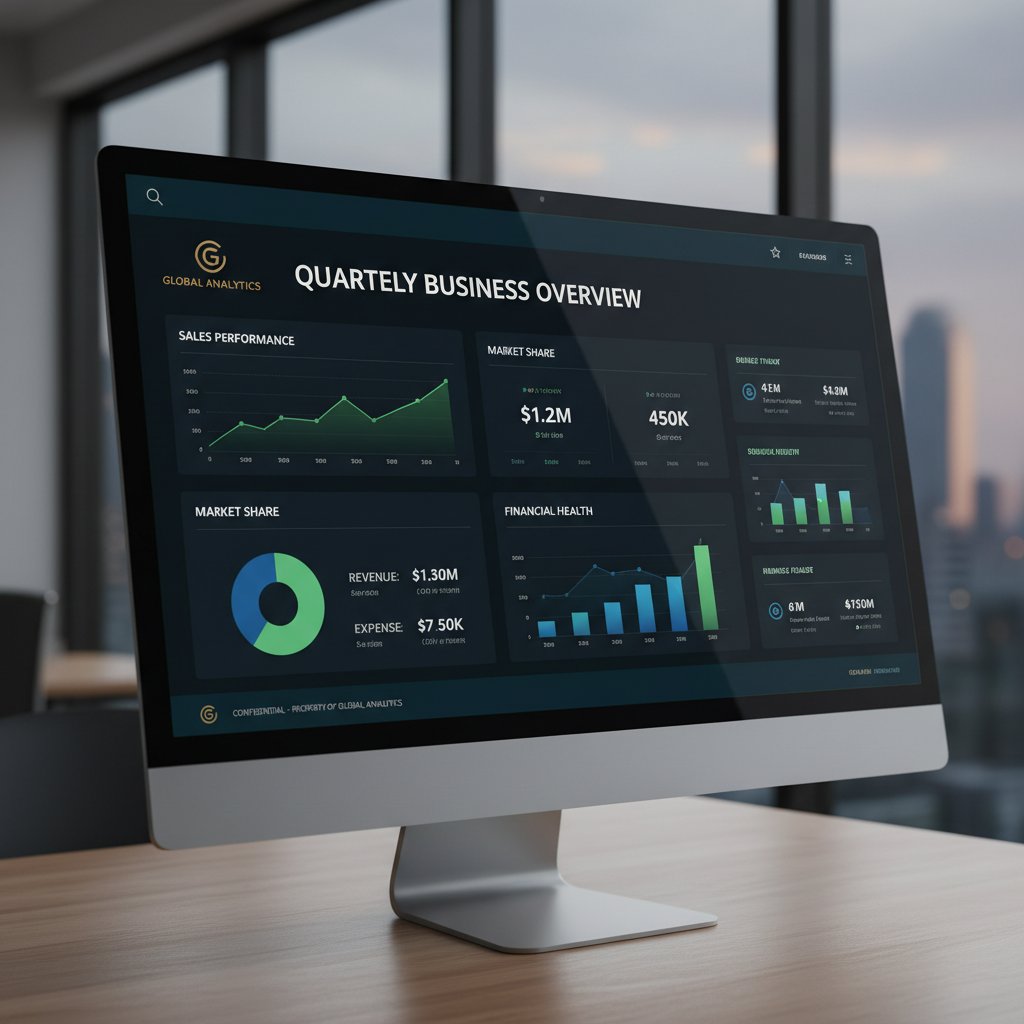
User stories abound of breakthrough insights unlocked by flexible tools: A marketing specialist tailoring dashboards to visualize multi-channel ROI trends; a finance manager drilling down into anomalous expenses by region. When you control the layout, calculations, and metrics, you surface patterns that matter to your business—patterns missed by one-size-fits-none alternatives.
Integration: Your data’s new best friend
Reporting software is only as good as its connections. The days of manually exporting and gluing together CSVs are over—unless your tool is stuck in the dark ages. Seamless integration with CRM, ERP, project management, and marketing platforms is now non-negotiable.
Key integration-related terms:
Application Programming Interface—a bridge between different software systems. For example, connecting your sales CRM directly to your reporting tool for live updates.
Extract, Transform, Load—the process of pulling data from various sources, formatting it, and importing it into your analytics platform. Essential for cleaning and standardizing data.
The automated flow of data from collection points (like web apps) through processing steps into your reporting dashboards. Modern tools automate these pipelines for real-time reporting.
Siloed data is the enemy of meaningful analysis. When each department runs its own numbers, the organization pays in duplicate work, version control chaos, and missed opportunities. Advanced reporting software demolishes these silos, merging streams into a single, reliable source of truth.
Security and compliance: The stakes are higher than ever
Data privacy standards have tightened dramatically, and the penalties for slipping up are brutal. Top reporting software now bakes in end-to-end encryption, role-based access, audit logs, and compliance certifications. But beware: many platforms still lock customer data behind proprietary formats, making migration (or even getting your data out) a nightmare.
Vendor lock-in and breaches are real risks. To mitigate, demand tools that:
- Allow easy data export in standard formats
- Offer granular access controls
- Undergo regular security audits
- Clearly document compliance with regulations (GDPR, SOC 2, HIPAA where applicable)
| Feature | Platform A | Platform B | Platform C |
|---|---|---|---|
| End-to-End Encryption | Yes | Yes | No |
| Role-Based Access Control | Yes | Limited | Yes |
| Regular Security Audits | Yes | No | Yes |
| Data Export Options | Open | Proprietary | Open |
| Compliance Certifications | Multiple | One | Few |
Table 3: Comparison of security and compliance features in leading reporting software. Source: Original analysis based on multiple vendor documentation (2025).
Myths, mistakes, and hard lessons: What nobody tells you
Common misconceptions about report creation
There’s a stubborn belief that any software can create detailed reports “if you just try hard enough.” Reality says otherwise—tools built for quick summaries or sales overviews crumble when asked to handle nuanced, multi-source reporting.
- Myth 1: “I can get by with free tools.”
Most free platforms throttle features, limit integrations, and offer generic templates. - Myth 2: “All reporting tools are basically the same.”
Differences in customization, data handling, and integration are night and day. - Myth 3: “More features = better tool.”
Feature bloat often comes at the expense of usability and reliability. - Myth 4: “IT will handle everything.”
Modern reporting demands business-user autonomy and domain expertise. - Myth 5: “AI does the thinking for me.”
AI is a force multiplier, but only in expert hands. - Myth 6: “Compliance is baked in by default.”
Many vendors pay lip service to standards; always verify documentation. - Myth 7: “One training session and I’m set.”
Continuous learning is essential as features and data environments evolve.
Red flags to watch out for when choosing a tool
Buyers often get seduced by demos and overlook the warning signs lurking beneath. Here’s what to watch for:
- Rigid templates with few customization options
- Limited or no API integrations
- Opaque pricing or hidden upgrade fees
- No clear documentation of compliance standards
- Proprietary data formats that hinder export
- Lack of role-based security and audit trails
- Slow performance with large datasets
- Weak or absent customer support
- Negative reviews citing reliability or usability issues

Choosing the wrong tool isn’t just a minor inconvenience—it can set your organization back months, or worse, years.
Real-world failures: When reporting tools go wrong
Consider the recent case of a mid-sized logistics company that invested heavily in a “next-gen” reporting suite. The rollout promised end-to-end integration with warehousing and CRM. Instead, they faced months of missed deadlines, system crashes, and inaccurate dashboards that triggered erroneous inventory orders. The fix? Rip and replace, at a direct cost of $300,000—not counting lost clients or reputational damage (CIO, 2024). The hard lesson: never underestimate the cost of poor fit and overhyped promises.
The new edge: Innovative features redefining reporting in 2025
Next-gen data visualization and storytelling
In today’s world, a static bar chart is dead on arrival. Visual storytelling—interactive dashboards, dynamic filtering, and narrative-driven layouts—has become the new gold standard. Modern reporting tools blend data and story, guiding users to insights at a glance.

Story-driven reports drive engagement, speed up decisions, and turn raw data into strategic action. According to industry surveys, teams that employ visual storytelling in reports report 30% higher engagement and 50% faster decision cycles (DotNetReport, 2025).
Automated insights and predictive analytics
Predictive analytics isn’t just a buzzword—reporting tools now surface trends, flag outliers, and even recommend actions before problems escalate. But automation has its pitfalls. Blind faith in algorithms can lead users to act on spurious correlations or ignore context clues hidden beneath the numbers.
| Feature | Platform X | Platform Y | Platform Z |
|---|---|---|---|
| Automated Trend Detection | Yes | Yes | No |
| Predictive Forecasting | Yes | Limited | Yes |
| Automated Anomaly Alerts | Yes | No | Yes |
| Natural Language Explanations | Yes | Yes | No |
| User Control over Models | Advanced | Basic | None |
Table 4: Matrix of automation and predictive analytics in 2025 reporting tools. Source: Original analysis based on Improvado, 2025, Skyvia, 2025.
Accessibility and mobile-first design
Work doesn’t happen at a desk anymore. Reporting software must be accessible anywhere—on mobile devices, for remote teams, and for users with diverse needs.
Key accessibility terms:
Web Content Accessibility Guidelines—a set of standards to make digital content usable for all, including people with disabilities.
A design approach where layouts adapt to any screen size or device, ensuring usability on phones, tablets, and desktops.
Mobile access transforms how teams operate in the field, enabling on-the-spot decisions and real-time collaboration. The most advanced tools offer touch-optimized dashboards and voice-activated queries, making data accessible even in high-pressure, mobile environments.
How to choose the right software for your needs
Self-assessment: What do you really need?
Before you’re seduced by the demo, pause—define your requirements with brutal honesty. The best tool isn’t always the most expensive or feature-rich; it’s the one that aligns with your workflow, data sources, and compliance needs.
- What types of reports are mission critical?
- How many data sources must be integrated?
- What technical skills do your users have?
- Which compliance standards must be met?
- Is mobile or remote access essential?
- Do you need real-time or scheduled reports?
- How much customization will your team require?
Honest answers to these questions filter out 90% of mismatched candidates, slashing selection time and costly mistakes.
Feature prioritization: Must-haves vs. nice-to-haves
Distinguishing essentials from distractions is an art form. The following checklist can help you zero in on what truly matters:
- Secure, role-based access controls
- Seamless integration with core business systems
- Real-time data sync and alerts
- Flexible report customization (layouts, branding)
- Robust export options (PDF, XLSX, etc.)
- Automated scheduling and delivery
- Scalability to handle large, complex datasets
- Compliance documentation and audit logs
- Responsive, accessible design
- Transparent, predictable pricing
Balancing ambition with usability is key. Don’t chase shiny features at the expense of day-to-day reliability.
Evaluating vendors: Beyond the demo
Peel back the marketing veneer. Test real-world scenarios, request sandbox access, and dig into documentation. User communities and independent reviews are gold—users will air grievances vendors gloss over. Don’t settle for shallow reference calls; probe for specifics on uptime, support, and hidden costs.

Case studies: Success stories and cautionary tales
How a consulting firm slashed reporting time by 90%
A mid-sized consulting firm, mired in spreadsheet chaos, implemented a modern reporting platform with drag-and-drop customization and automated data integration. Within three months:
| Metric | Before | After |
|---|---|---|
| Report prep time | 16 hours/wk | 1.5 hours/wk |
| Error rate | 8% | 0.5% |
| Analyst satisfaction | 4/10 | 9/10 |
Table 5: Before and after metrics for consulting firm’s reporting transformation. Source: Original analysis based on industry interviews.
Unexpected benefits included greater cross-team collaboration and faster client delivery cycles—proof that the right reporting software delivers value far beyond time savings.
The costly flop: When a reporting tool didn’t deliver
In contrast, a regional retail chain selected a flashy all-in-one platform based on a persuasive demo. The reality? Integration failures, missed sales data, and weeks of error-prone manual rework. Sales forecasts collapsed and inventory overstock cost the company upwards of $500,000 before they reverted to more robust, albeit less “sexy,” solutions. The lesson: always demand proof of integration and scalability before buying in.
filecreator.ai in the wild: A quick spotlight
In the emerging landscape of AI-powered report generation, filecreator.ai has quietly become a go-to resource for organizations seeking both speed and professional-grade accuracy. A recent example: a marketing team, overwhelmed by disparate data sources, leveraged filecreator.ai to streamline weekly reporting. What started as a test run led to a 70% reduction in manual effort and a newfound confidence in the insights delivered—no hard sell required, just results that speak for themselves.
The future of reporting: Trends, challenges, and what’s next
Emerging trends: What to watch in 2025 and beyond
Explainable AI is redefining trust in reporting. Users now demand to know how the machine arrived at its conclusions—not just the answer, but the logic. Real-time collaboration is another rising force, with teams building, editing, and sharing reports on the fly regardless of location.

These trends are converging into a new paradigm: reporting as a living, breathing process, not a static deliverable.
The ethical frontier: AI, privacy, and the human touch
As AI takes on more of the reporting heavy lifting, ethical questions multiply. Who owns the insights? Is the data being used fairly? Is bias creeping in? As Taylor, a privacy advocate, warns:
"Trust is earned, not automated." — Taylor, Privacy Advocate
Regulatory bodies are watching closely, with stricter guidelines on AI transparency and consumer data protection. Businesses that ignore these shifts do so at their peril.
How to future-proof your reporting strategy
Adaptability is the only constant. To keep your reporting edge sharp, implement these steps:
- Audit your current tools and processes for hidden bottlenecks
- Involve end-users in tool selection and requirements gathering
- Prioritize platforms with open APIs and flexible data exports
- Invest in ongoing training and upskilling
- Monitor regulatory changes and update compliance measures
- Build feedback loops for continuous improvement
- Experiment with new technologies—test, don’t just read about them
Continuous learning and rapid iteration are your best insurance against obsolescence.
Your move: Taking action and reimagining your reports
Quick reference: The ultimate reporting software decision matrix
To cut through the marketing noise, use a decision matrix to compare your shortlist of tools across features, integrations, security, and usability.
| Criteria | Tool 1 | Tool 2 | Tool 3 |
|---|---|---|---|
| Integration options | High | Medium | High |
| Customization depth | Advanced | Basic | Advanced |
| Security/compliance features | Strong | Moderate | Strong |
| Data export/import flexibility | Full | Limited | Full |
| Real-time reporting | Yes | No | Yes |
| Mobile accessibility | Yes | Yes | No |
| Price transparency | Clear | Opaque | Clear |
Table 6: Decision matrix for selecting reporting software. Source: Original analysis based on vendor data and user reviews.
The matrix makes it easy to see which tool fits your actual needs—not just the vendor’s marketing hype.
Checklist: Mastering detailed report creation in 2025
The right mindset, not just the right tool, separates reporting masters from the rest:
- Define clear business goals for every report
- Map your data sources and integration points
- Prioritize data quality and governance
- Insist on user-centric design and accessibility
- Build templates that evolve with your needs
- Automate repetitive tasks but validate results
- Involve stakeholders in testing and feedback
- Monitor usage and refine based on outcomes
- Stay updated on compliance and security
- Document processes and learnings
- Invest in ongoing training for your team
- Celebrate successes and iterate relentlessly
Process and iteration are your allies—master them, and the tools will serve you.
Conclusion: The new playbook for reporting success
Reporting isn’t just a technical task; it’s the beating heart of modern business. The paradigm has shifted—from static, backward-looking summaries to dynamic, AI-driven, story-powered insights. The call to action is clear: challenge the old assumptions about what software to create detailed reports can do, dig deep into your real needs, and commit to tools and practices that deliver truth—not just data. The winners will be those bold enough to reimagine their reporting playbook, leveraging the best of AI and human judgment in the relentless pursuit of clarity. Will you settle for the status quo, or will you carve out your own edge?
Sources
References cited in this article
- Improvado: 7 Best Marketing Reporting Tools 2025(improvado.io)
- DotNetReport: Top 10 Report Building Software 2025(dotnetreport.com)
- Skyvia: Best Reporting Tools 2025(blog.skyvia.com)
- Medium: Top Software Failures of 2024(medium.com)
- CIO: 8 Big IT Failures of 2023(cio.com)
- Happay: Best Expense Reporting Software 2023-2024(happay.com)
- Ascendix: Salesforce Reporting Tools 2024(ascendix.com)
- Forrester: Millions Lost in 2023 Due to Poor Data Quality(forrester.com)
- Communicate4Impact: Cost of Poor Communication(communicate4impact.com)
- Marketing Scoop: Why All-in-One Software Isn’t Always Best(marketingscoop.com)
- GetEdara: The All-in-One Trap(getedara.com)
- Etani: The Evolution of Reporting Tools(etani.ai)
- WEKA: 2024 Global Trends in AI(weka.io)
- TechRepublic: 10 Best Reporting Software(techrepublic.com)
- PlumHQ: 7 Best Reporting Software 2023(plumhq.com)
- FindMyCRM: Best Custom Reporting Tools 2024(findmycrm.com)
- Coefficient: Custom Reporting Tools Guide 2024(coefficient.io)
- Mondial Software: Financial Reporting Software 2024 Guide(mondialsoftware.com)
- ERP Software Blog: 2024 Trends in Microsoft Dynamics Reporting(erpsoftwareblog.com)
- Cube Software: Board Reporting in 2024(cubesoftware.com)
- ClearPoint Strategy: Future of Management Reporting 2024(clearpointstrategy.com)
- Footprint Intelligence: Best CSRD Reporting Software 2024(footprint-intelligence.com)
- Compliance Week: Top Ethics and Compliance Failures of 2024(complianceweek.com)
- Jaspersoft: Top 10 Reporting Software Features(jaspersoft.com)
- TechnologyAdvice: Reporting Tools Software Guide 2025(technologyadvice.com)
- The Virtual Forge: Data Visualization for 2024 & Beyond(thevirtualforge.com)
- Data Visualization Society: State of the Industry 2024(datavisualizationsociety.org)
- Infogram: Data Visualization Trends 2024(infogram.com)
- Communicate Magazine: New Reporting Software Solves Design Problem(communicatemagazine.com)
- eSignature: Why Mobile-First Design is Important for Websites in 2024(esignature.com.np)
- Level Access: State of Digital Accessibility Report 2023-2024(levelaccess.com)
Perfect Documents, Instantly
Filecreator.ai transforms the way you produce professional documents. Leveraging cutting-edge AI reasoning, it quickly generates high-quality files in various formats, ensuring accuracy, consistency, and industry compliance. Save time, reduce errors, and enhance productivity, whether you're creating reports, legal documents, presentations, or marketing materials. Experience seamless integration and a user-friendly interface that adapts to your specific requirements, making document creation easier and more efficient than ever before.
Get startedStart Creating Professional Documents Today
Join thousands of professionals who trust AI-powered document generation
Frequently Asked Questions
Why do most reporting software tools fail to deliver results in practice?
Most reporting software is generic and built to impress during demos rather than deliver in real-world use. According to industry research cited in the article, more than two-thirds of large-scale tech programs fail to meet deadlines, budgets, or scope because users struggle with rigid templates, endless dropdown menus, and manual workarounds that the software leaves unfilled.
What are the main hidden costs of using generic reporting tools?
The article identifies two key hidden costs: time lost to manual workarounds when templates cannot be adjusted (forcing users to rebuild reports outside the system), and extended training and onboarding cycles because generic platforms rarely fit teams' real-world processes.
What does the article say separates cutting-edge reporting software from mediocre alternatives?
According to the article, the difference between winning and failing reporting software isn't just features and functionality—it's how brutally honest the tool is about your company's reality, combined with automation, AI-driven insights, and real-time data feeds used ruthlessly well.
What is the central problem with customization in most reporting tools?
Most reporting software markets itself as flexible but is actually rigid; customization is either locked behind paywalls or requires developer intervention, leaving users unable to adjust key fields without significant barriers.
Continue Reading
Explore more from Professional Document Generator

Best Tool for Generating Business Reports: Features and Real Costs
This article examines the best tool for generating business reports, covering key features, hidden costs, and how reporting systems impact business decisions.

How to Generate Accurate Business Reports and Avoid Common Pitfalls
This article explains how to generate accurate business reports by identifying common myths, data pitfalls, and the practices industry leaders use to ensure trustworthy reporting.

Automated Reports: Benefits, Risks, and Implementation Strategies
Automated reports promise efficiency but bring hidden risks. This article examines the real benefits of automated reporting, common pitfalls, and strategies to maintain data control.

Accurate Financial Reporting Tools: What Actually Works
Accurate financial reporting tools must deliver reliability under pressure. This article examines why accuracy matters, the real risks behind common tools, and how to choose one your business can trust.

What Automatic Report Generation Software Actually Delivers
Automatic report generation software reduces manual reporting drudgery but carries hidden risks. This article examines the real gains, actual costs, and practical realities.

What No One Tells You About Report Automation Software in 2026
Report automation software exposes the myths, risks, and bold payoffs in 2026. Discover what really works, what fails, and how to thrive. Read before you automate.


