

Generate Automated Personalized Letters Without Losing Your Voice
Written with AI assistance under our editorial guidelines
Automated personalized letters can increase efficiency and scale dramatically, but poorly executed personalization risks appearing generic and inauthentic. Balancing AI-driven automation with genuine human voice requires intentional strategy to maintain connection while leveraging technology's speed advantages.
You’re not here to read another robotic ‘how-to’ about mail merges and “Dear [FirstName]” templates. This is the real story—uncensored—about what happens when you generate automated personalized letters in a world obsessed with speed, scale, and simulation. Welcome to the intersection of ruthless efficiency and the messy art of human connection, where a single click can close a deal, provoke outrage, or land you in the digital uncanny valley. We’re pulling back the curtain on the hacks, hazards, and industry secrets that most AI letter tools won’t admit. If you've ever wondered whether automation is killing the soul of your words or giving it new life, this is your deep dive. Buckle up: these are the brutal truths, the big wins, and the dangerous shortcuts you need to survive—maybe even thrive—as personalized communication evolves under the relentless pressure of algorithms.
Why automation isn’t killing the art of the letter
The evolution from quills to quantum code
For centuries, the letter has been a vessel for everything from declarations of war to confessions of love. Picture the dusty inkpot, the trembling hand, the urgency of emotion pressed into parchment. Fast forward: the clack of typewriters, the sterile perfection of word processors, and now the invisible hand of AI, churning out correspondence in milliseconds. The journey from handwritten letters to today’s AI-driven personalization is a saga of technological leaps—and existential trade-offs. The Victorian novelists bled over every line, but in 2025, marketers allocate 40% of their budgets to personalization tech, double from two years before (Contentful, 2024). The pivot isn’t just tech; it’s a new mindset. Every advance—carbon paper, mail merge, CRM, neural networks—has shifted our expectations from “letter as craft” to “letter as outcome.” Yet, the hunger for connection never left.
What we gain—and lose—by letting AI write for us
No one can deny the allure of instant, personalized outreach. AI-powered document generators like filecreator.ai and its competitors can create thousands of ‘unique’ letters in less time than it takes to draft a coffee order. The upside: efficiency, scale, consistency, and a shot at reaching inboxes before competitors do. But there’s a darker edge—the risk of generic, soulless words camouflaged as sincerity. Personalization, when done poorly, becomes a cheap trick. According to Forrester’s 2024 survey, 67% of US consumers call most brand personalization “just okay.” Chasing the illusion of intimacy, brands risk eroding trust when the seams start to show.
"When every word is crafted by code, sincerity becomes the rarest commodity." — Alex
Letters that changed fate: automation in the real world
It sounds like corporate folklore, but the stories are real: a small business wins a six-figure contract because their outreach was fast, flawless, and eerily on-point—thanks to automated personalized letters. Or the HR manager who sent hundreds of rejection notes, only to be praised for “thoughtful” feedback written in seconds, not hours. Then there’s the nonprofit, whose AI-generated fundraising appeals triggered record donations by referencing recipients’ individual passions—details pulled from CRM data and composed by algorithms. These aren’t just anecdotes; they’re a testament to how automation can quietly shape destinies, for better or worse. But for every win, there’s a cautionary tale of tone-deaf messages and reputational fallout.

The promise and peril of instant personalization
How AI understands who you really are (or doesn’t)
Modern AI personalization engines are not mind readers, but they’re getting uncomfortably close. At their core, these systems ingest oceans of data—purchase histories, website clicks, social engagement, even location signals—assembling a digital facsimile of “you.” 92% of businesses now use AI for audience segmentation, send time optimization, or behavioral analysis (Shopify, 2024). But here’s the rub: AI’s notion of “personalization” is only as deep as your data and your definition. Rule-based systems can insert your city or hobby; neural networks might mimic tone based on previous conversations. Yet, the line between “personal” and “creepy” is perilously thin, and context is everything.
| Method | Description | Strengths | Weaknesses |
|---|---|---|---|
| Template-based | Uses variable fields (name, company, etc.) | Fast, easy, minimal setup | Low uniqueness, easily detected |
| Rule-based | Applies logic (if/then) to tailor content | Customizable, good for segmentation | Limited nuance, can sound robotic |
| Neural network-based | Uses AI to mimic style, tone, content | High sophistication, adapts to context | Risk of overfitting, opaque logic |
Table 1: Comparative breakdown of AI personalization methods in automated letter generation
Source: Original analysis based on Contentful, 2024, Shopify, 2024
The dark side: privacy, manipulation, and the trust gap
There’s a sinister underbelly to automated personalization. The same data that powers surgical precision also opens doors to privacy breaches and emotional manipulation. When AI knows the right time to send a letter, the right pain point to press, or the right meme to drop, where does influence end and manipulation begin? According to Emarketer, brands walk a razor’s edge between hyper-relevance and unsettling intrusiveness. Trust is fragile: a single misfire—using outdated or overly intimate data—can turn a customer from loyal to livid.
"Every shortcut in communication comes at a cost—sometimes it’s your credibility." — Jordan
Can you spot an AI-written letter? (Test yourself)
Let’s play a game: can you tell if the letter in your inbox was written by a human or a bot? It’s harder than you think—unless you know the signs. Some giveaways scream “automation” louder than a CAPSLOCKED subject line. Here’s what to watch for:
- Oddly generic compliments (“Your business is important to us.”)
- Awkward phrasing or tone mismatches
- Overuse of variable fields (“Dear [FirstName] [LastName],”)
- Inconsistent formatting or signatures
- Lack of specific context or timely references
The more you train your eye, the more obvious the seams become. But as AI evolves, so do its disguises.
Busting myths: what automated personalized letters can and can’t do
Myth vs. reality: ‘All AI letters sound the same’
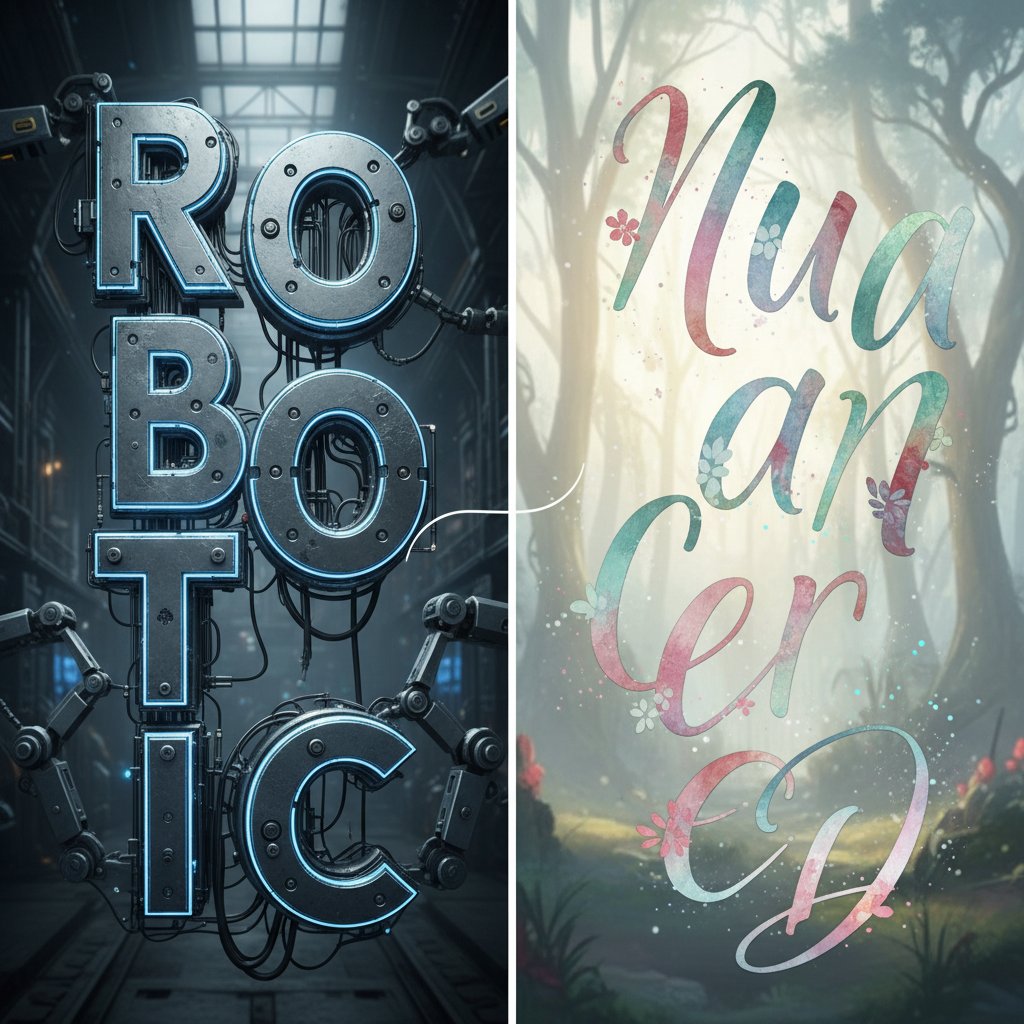
This tired refrain doesn’t hold up anymore. Yes, early automation spat out formulaic mush. Today, advanced tools—especially those leveraging neural language models—offer nuance, context, and even wit. The difference? Data depth, design, and human oversight. Modern outputs can mirror the rhythm and quirks of real correspondence, as shown by Snippet A (robotic, 2018) versus Snippet B (nuanced, 2024):
Snippet A:
“Dear Customer, Thank you for your recent purchase. We value your business.”
Snippet B:
“Hey Jamie, I noticed you’ve been championing eco-friendly products—so your latest order made us smile. If you have feedback, I’d love to hear it.”
Personalization gone wrong: epic fails and how to avoid them
Not all stories end well. Take the infamous “Dear [Insert Name Here]” email blast, or the cringe-worthy condolence letter using a sales pitch template. Automation amplifies both brilliance and blunders. The root causes: bad data, poor QA, over-reliance on templates, and blind trust in the machine.
- Audit your data: Garbage in, garbage out. Clean, update, and validate all data sources regularly.
- Set smart rules: Use logic to prevent embarrassing mismatches (e.g., never congratulate on condolences).
- Customize at scale: Layer in unique details beyond first name and company.
- Test on humans: Real reviewers catch tone issues machines miss.
- Monitor responses: Feedback loops expose recurring problems.
- Limit automation for sensitive content: Avoid automating high-stakes or emotional messages.
- Never skip the final review: Human eyes for the win—always.
Automation for good: surprising ways it boosts authenticity
This sounds backward, but some users find automation actually unlocks their authentic voice. Free from writer’s block and “blank page syndrome,” people can fine-tune tone, focus on message, and reach wider audiences. According to Lettrlabs, users who combine AI drafts with personal touches deliver more consistent—and surprisingly heartfelt—messages.
"Sometimes, the machine helps me say what I really mean—better than I ever could." — Taylor
The real economics: time, money, and the hidden ROI
How much time does automation really save?
The numbers are stark: In 2024, marketers spend an average of 15-20% less time on correspondence thanks to automation (Emarketer, 2024). HR teams reduce repetitive letter drafting by up to 70%. Sales departments, meanwhile, send 5x more targeted letters per week without staff increases. These time savings translate directly into cost reductions and faster response cycles across industries.
| Sector | Avg. Hours Saved/Week | Cost Savings Est. | Notes |
|---|---|---|---|
| Business | 12 | $900 | Outreach, onboarding, routine communication |
| HR | 10 | $750 | Offers, rejections, policy updates |
| Education | 8 | $600 | Student letters, parent comms, admin notices |
| Sales | 15 | $1,200 | Cold outreach, follow-ups, client onboarding |
Table 2: Statistical summary—automation time and cost savings by sector
Source: Original analysis based on Emarketer, 2024, Contentful, 2024
The hidden costs nobody talks about
Automation isn’t free—nor foolproof. Onboarding costs can bite, especially for legacy organizations. Brand risk spikes if your output feels impersonal or tone-deaf. But the hidden benefits rarely make the headlines: increased compliance, data-driven insights, and the ability to identify process bottlenecks.
- Faster compliance: Built-in templates help ensure legal and industry alignment.
- Insight from metadata: Track open rates, sentiment, and response for continuous improvement.
- Reduced burnout: Staff freed from repetitive tasks focus on strategic work.
- Consistent branding: Automation maintains voice and standards at scale.
- Unexpected creativity: With the mundane handled, humans innovate.
The bottom line: cost-benefit analysis for 2025
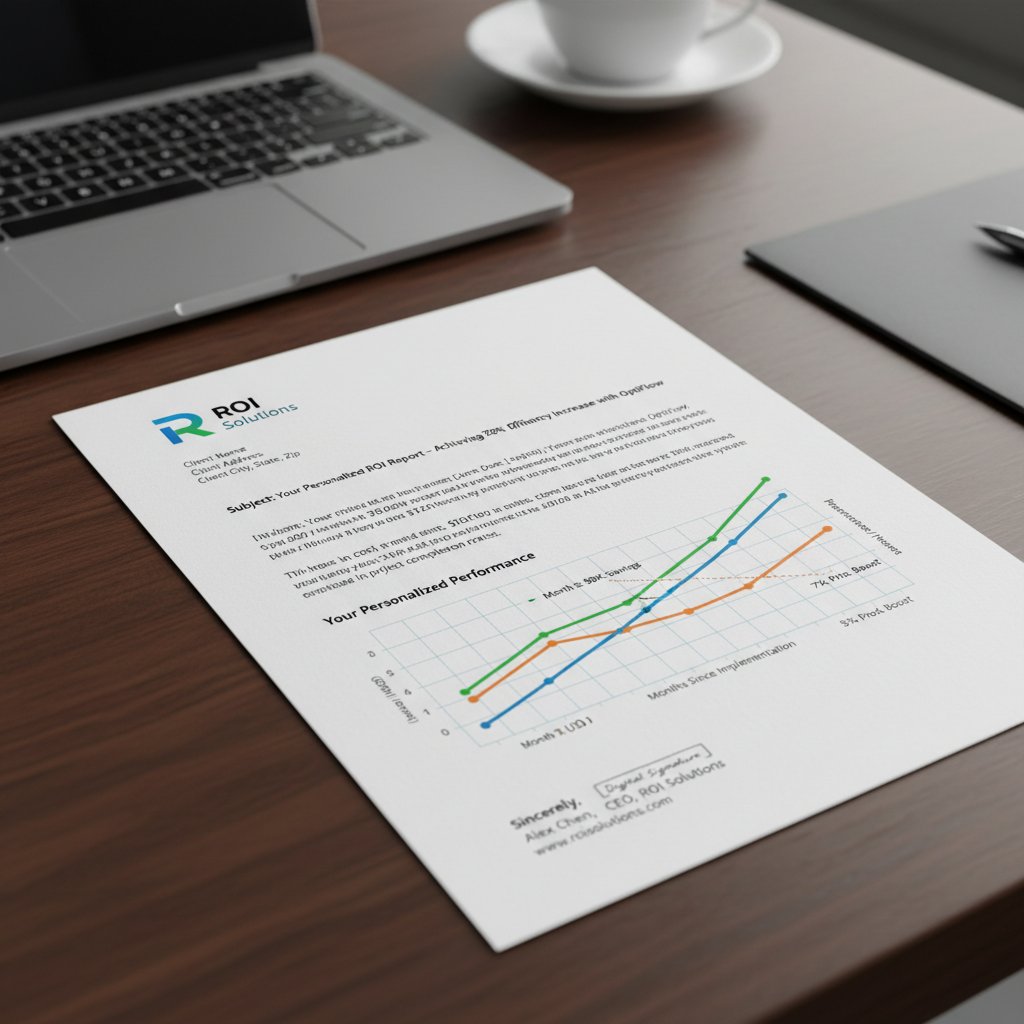
When you stack the numbers, the ROI is hard to ignore. Automated personalized letters deliver a clear advantage in speed, accuracy, and reach. The caveat: Only if you invest in quality data, robust oversight, and the right platform. As of 2024, 65% of marketers say personalized emails have the most impact on engagement and revenue (Ascend2 via Emarketer).
How to master generate automated personalized letters in your workflow
Step-by-step guide: from blank screen to perfect letter
Mastering automated personalized letter generation isn’t about pushing a single button. It’s a process—a dynamic workflow that blends technology and human sense.
- Define your audience segments: Gather clean, rich data for meaningful personalization.
- Choose your platform: Use robust tools like filecreator.ai for industry-standard compliance.
- Select or design your template: Match tone and structure to your goal.
- Integrate your CRM: Pull in live data for relevance and accuracy.
- Draft your message: Start with AI, then refine for context and voice.
- Set customization rules: Use logic to adapt content to recipient needs.
- Optimize for mobile: With 56% of marketers prioritizing mobile (Emarketer), clarity on any device is non-negotiable.
- Schedule smartly: Leverage AI to optimize send times for higher engagement.
- Human review: Always add a final review for nuance and risk management.
- Test and monitor: Run A/B tests, track open and response rates.
- Iterate and improve: Use data feedback to refine future correspondence.
- Stay compliant: Ensure all generated letters meet privacy and regulatory requirements.
Customization hacks pros use (that you can steal)
Professionals know that the real magic isn’t just in the tech, but in how you wield it.
- Dynamic templating: Integrate real-time data fields beyond just name and company (purchase history, preferences).
- AI-driven tone adjustment: Use sentiment analysis to adapt language on the fly.
- Behavioral triggers: Send letters triggered by recipient actions (e.g., form completions, website visits).
- Location intelligence: Reference local events or weather for hyper-relevance.
- Human-in-the-loop: Combine automation with manual tweaks for emotional depth.
Glossary of Key Terms
A letter format that updates in real-time with the latest CRM data, ensuring each message is genuinely unique.
An approach where humans oversee or refine AI-generated letters for accuracy, tone, and legal compliance.
An automation rule that initiates a letter based on recipient actions or milestones.
Avoiding the uncanny valley: making automation sound human
There’s an art to making robotic letters feel real: mind the little details. Vary syntax. Weave in context. Reference real events. And, above all, don’t overdo it—sometimes less “personalization” feels more authentic.
Who’s winning (and losing) the automation arms race?
2025’s top letter generation tools, ranked and roasted
The marketplace is ruthless—hundreds of tools promise the holy grail of personalization. Only a few deliver. Here’s how leading platforms compare as of 2024.
| Tool | AI Personalization | Compliance | Multi-format | User Experience | Verdict |
|---|---|---|---|---|---|
| filecreator.ai | Advanced | Built-in | Full | Intuitive | Leader |
| Competitor A | Limited | Manual | PDF only | Clunky | Lagging |
| Competitor B | Moderate | Manual | DOCX, PPTX | Moderate | Runner-up |
| Competitor C | Advanced | Automated | Full | Complex | Niche only |
Table 3: Feature matrix—top automated letter generation tools, as of 2024
Source: Original analysis based on public feature documentation and industry reviews
Real-world case studies: from job offers to apologies
Automated personalized letters have powered everything from successful job offers that landed top talent, to mass apologies after service failures. One enterprise reported a 30% jump in customer retention after automating heartfelt check-ins. But the flip side: a startup faced backlash when its “personal” apology letters reused insensitive language, triggering a Twitter storm.

What users wish they knew before they started
If you listen to the pros—and the burned—you’ll hear the same lessons:
- Don’t skimp on data hygiene; it’s the root of all effective personalization.
- Automation needs boundaries: not every message should be machine-written.
- Platform matters: invest in tools with real compliance and customization chops.
- Human review isn’t optional, especially for high-stakes communication.
- If you wouldn’t say it out loud, don’t send it by automation.
Red flags to watch out for when choosing an automated letter tool:
- No audit trail or version control.
- Limited export formats (just PDF? Run.)
- No compliance features or privacy safeguards.
- Clunky or outdated user interface.
- Can’t integrate with your existing CRM or workflow.
Beyond business: unexpected uses and cultural shifts
How schools, artists, and activists are reimagining the letter
It’s not just business that’s getting reprogrammed. Teachers use automated letters to keep parents informed, while artists and activists deploy auto-generated missives in mass campaigns. The letter morphs from a private act to a public instrument—amplifying voices, fueling movements, even challenging political regimes. Automation, in the hands of the creative, is subversive.

When you definitely shouldn’t automate (and why)
Some messages demand the human touch. No matter how advanced your tech, these should never be outsourced:
- Condolence notes: Empathy can’t be automated.
- Personal apologies for egregious mistakes: Only sincerity rebuilds trust.
- Legal notifications with sensitive consequences: Legalese needs human review.
- Personal romantic declarations: Love is analog.
- Whistleblower or sensitive ethical disclosures: Security and nuance are paramount.
The ethics debate: who owns your words in the age of AI?
Every time an algorithm spits out a letter in your name, the age-old question resurfaces: who owns the message? In many cases, it’s a gray zone—especially if templates or data inputs are proprietary. Consent, attribution, and creative rights are hotly contested. As one privacy scholar put it:
"Your letter, your words—unless the algorithm says otherwise." — Morgan
The future of personalized communication: what’s next?
Emotional intelligence: the new frontier for AI letters
AI’s next target? Emotional nuance. Today’s systems already use sentiment analysis, but researchers are pushing towards letters that mirror context, culture, and mood with uncanny precision. The holy grail: correspondence that not only sounds human, but feels it—without crossing ethical lines.

How to stay ahead: keeping your letters fresh in 2025 and beyond
Don’t get caught flat-footed by the next algorithm. Future-proof your communications with these unconventional uses:
- Use AI to draft “thank you” notes for volunteer organizations.
- Automate progress updates for creative projects.
- Generate personalized invitations for community events.
- Script advocacy letters to policymakers at scale.
- Blend automation with video or audio messages for hybrid personalization.
Final checklist: are you ready to automate or not?
Before you dive in, run this gauntlet:
- Are your data sources clean and compliant?
- Have you chosen a platform that matches your needs?
- Is there a human review process in place?
- Are you clear about which messages should never be automated?
- Do you have procedures for monitoring, feedback, and iteration?
- Can you track and audit every letter sent?
- Are you safeguarding privacy and brand voice?
Glossary and jargon buster: speak the language of automated letters
Key terms and what they actually mean
It’s easy to get lost in the lingo of AI personalization. Here’s what matters—decoded for the real world:
Tailoring content to individual recipients using data points (e.g., name, purchase history, preferences). The gold standard? Making each letter feel one-of-a-kind.
A repeatable letter structure with variable fields that update automatically. Think Mad Libs, but for grown-ups and businesses.
Plugging your letter tool into customer databases, so your letters always pull the freshest, most relevant data.
Sending different versions of a letter to see which one performs best, then iterating on the results.
Using AI to identify when a recipient is most likely to open a letter, then scheduling delivery accordingly.
Leveraging geographic data to tailor messages to where your recipients live or work.
A workflow where humans oversee or edit AI-generated content for quality control.
An event (like a website visit or purchase) that kicks off an automated letter.
Conclusion
Here’s the hard truth: to generate automated personalized letters in 2025 is to walk a razor’s edge between efficiency and authenticity. The rewards are massive—hours saved, deals closed, relationships kindled at scale. But the risks are equally real: privacy breaches, tone-deaf outreach, the slow erosion of trust. The difference between an unforgettable letter and a forgettable one is not just your tech—it’s the thought, the data, and the willingness to keep a human hand on the controls. If you want to stay ahead, invest in quality tools like filecreator.ai, keep your workflows human-centered, and never forget: the best letters—automated or not—are the ones people remember. Don’t let your words betray you.
Sources
References cited in this article
- Contentful: Personalization Statistics(contentful.com)
- Shopify: Personalization Trends(shopify.com)
- Emarketer: Email Marketing Personalization(emarketer.com)
- Lettrlabs: Automated Letter Sending(lettrlabs.com)
- The Rise of AI: How Letter Writing is Changing Forever(texta.ai)
- Rediscovering the Art of Letter Writing(blog.peakmet.com)
- Public Sector Network(publicsectornetwork.com)
- EY Case Study(ey.com)
- Workato Automation Index(workato.com)
- Econsultancy: Personalisation Trends(econsultancy.com)
- 10Web: AI Personalization Examples(10web.io)
- Industry4o.com: Myths & Realities of AI(industry4o.com)
- Bilderberg Management: Expert Opinions on AI(bilderbergmanagement.com)
- LA Times: AI in 2024(latimes.com)
- Forbes: Authenticity in an Automated World(forbes.com)
- Statista: AI-Powered Personalization(statista.com)
- DemandSage: Personalization Statistics(demandsage.com)
- Twenty-Four Consulting: Automating Personalised Letters(twenty-four.io)
- Documentero: Automated Letter Generation(blog.documentero.com)
- International Journal of Advertising(tandfonline.com)
- Medium: Stay Out of the Uncanny Valley(medium.com)
- Bain & Company: Automation Scorecard 2024(bain.com)
- Appian: Automation Trends(appian.com)
- AMA: Email Personalization Strategies(ama.org)
- Letterly Review 2024(horizonshifts.com)
- Cronkite News: Handwrytten & Random Letter Project(cronkitenews.azpbs.org)
- Emerald: AI-enabled Personalization(emerald.com)
- Nividous: RPA Case Studies(nividous.com)
- Originality.AI: Who Owns AI-Generated Content(originality.ai)
- Marks & Clerk: AI Content Ownership(marks-clerk.com)
- BuiltIn: AI-Generated Content and Copyright(builtin.com)
Perfect Documents, Instantly
Filecreator.ai transforms the way you produce professional documents. Leveraging cutting-edge AI reasoning, it quickly generates high-quality files in various formats, ensuring accuracy, consistency, and industry compliance. Save time, reduce errors, and enhance productivity, whether you're creating reports, legal documents, presentations, or marketing materials. Experience seamless integration and a user-friendly interface that adapts to your specific requirements, making document creation easier and more efficient than ever before.
Get startedStart Creating Professional Documents Today
Join thousands of professionals who trust AI-powered document generation
Frequently Asked Questions
Can AI-generated personalized letters maintain authenticity and genuine human connection?
Yes, but only if done carefully. While AI tools can generate thousands of personalized letters efficiently, there's a risk they become generic and soulless if not properly crafted. According to Forrester's 2024 survey, 67% of US consumers consider most brand personalization 'just okay,' showing that poor personalization becomes a cheap trick rather than genuine connection.
How much of marketing budgets are companies spending on personalization technology?
According to Contentful's 2024 data cited in the article, marketers allocate 40% of their budgets to personalization tech, which is double the amount from two years prior, reflecting the significant investment in automated personalization.
What are the main risks of using AI to automate letter writing?
The primary risk is that automated letters can become impersonal and soulless when personalization is done poorly, potentially landing you in what the article calls the 'digital uncanny valley.' Poor automation can undermine genuine human connection despite offering efficiency and scale.
How has letter writing evolved from historical times to the AI era?
Letter writing has evolved from handwritten correspondence carrying deep emotion to modern AI-driven automation that prioritizes speed and scale. The article traces this journey from quills and ink to typewriters, word processors, and now neural networks, showing a shift from 'letter as craft' to 'letter as outcome.'
Continue Reading
Explore more from Professional Document Generator

How to Generate Automated Letters Without Losing Brand Voice
Generate automated letters while preserving brand voice: the article examines risks, tools, and strategies for scaling written communication without losing authenticity.

Automated Letters in 2025: Maintaining Voice and Trust
Generate customized automated letters in 2025 using AI while maintaining authenticity. This article explains the risks, benefits, and best practices for automated correspondence.

Automated Letters Online: Costs, Benefits, and Pitfalls
Generate customized automated letters online in minutes. This article explains the hidden costs, genuine benefits, and how to avoid common pitfalls.

Generate Personalized Letters That Feel Human with Filecreator.ai
Discover insights about generate personalized letters

Generate Professional Automated Letters Without Losing the Human Touch
Discover insights about generate professional automated letters

Generate Customized Letters That Feel Human at Scale with AI
Discover insights about generate customized letters