Automatic Employment Document Generator: Risk, Payoff, Reality
Written with AI assistance under our editorial guidelines
Automatic employment document generators automate time-consuming HR paperwork, reducing manual processing from 10+ hours weekly to 1-2 hours while cutting error rates from 12% to under 2%. Organizations using this technology experience improved compliance, faster onboarding, and stronger employee trust compared to manual document handling.
If you think HR is just about paperwork, you’re already behind. Behind a digital tidal wave that’s washing over tired processes, exposing the high price of inefficiency and compliance slip-ups. Picture this: an overworked HR manager drowning in paper contracts, onboarding forms, and legal updates—while somewhere else, a rival company glides through onboarding with a click, thanks to an automatic employment document generator. The automation revolution isn’t coming—it’s already here, and it’s ruthless. This article tears back the curtain on the real impact, hidden risks, and overlooked advantages of AI-powered HR automation in 2025. We’ll reveal what bold teams are doing differently, which myths are holding others back, and why clinging to the old ways is now the riskiest move in the game. Welcome to the edge of the HR revolution—are you ready to step over?
The paperwork problem: why HR is desperate for a new answer
The real cost of manual employment paperwork
Let’s start with an uncomfortable truth: manual paperwork is HR’s silent killer. It’s not just about lost time—it’s about lost money, lost trust, and lost opportunities. According to research from Deel and YouGov (June 2024), HR professionals estimate that hours of manual document processing create bottlenecks that echo through the entire organization. Every missed signature, every lost contract, every misfiled onboarding document is a compliance landmine waiting to explode. The numbers add up: Gartner’s 2025 analysis reveals that 75% of HR leaders feel their teams are overwhelmed by the paperwork burden, and only 15% of companies actively engage in strategic workforce planning. This isn’t just inefficiency—it’s a bleeding wound.

| Impact Area | Manual Paperwork | Automated Document Generation | Impact on HR |
|---|---|---|---|
| Time Spent | 10+ hours/week | 1-2 hours/week | Massive time saving |
| Error Rate | 12% on average | <2% with automation | Lower compliance risk |
| Compliance Issues | High | Reduced | Less legal exposure |
| Employee Trust | Eroded | Strengthened | Better retention |
Table 1: The measurable impact of manual versus automated employment documentation
Source: Original analysis based on Gartner, 2025, Deel/YouGov, 2024
Hidden risks in outdated document workflows
Outdated HR workflows aren’t just inefficient—they’re dangerous in ways most teams don’t see until it’s too late. Here’s what lurks beneath the surface:
- Compliance landmines: Manual processes are ripe for outdated templates, missing signatures, and improperly stored data—all of which can trigger regulatory penalties.
- Data privacy breaches: HR documents contain sensitive personal information. Paper trails and unsecured spreadsheets are an open invitation for data leaks.
- Lost records: Physical files get lost, damaged, or destroyed. Electronic documents stored haphazardly can be just as inaccessible—and just as risky.
- Manager burnout: When leaders are stuck chasing signatures or correcting paperwork errors, strategic initiatives get sidelined.
- Slow onboarding: New hires waiting days or weeks for contracts and policy documents get a poor first impression, hurting employer brand.
According to Engagedly, “Disorganized HR compliance, especially in documentation, can cost companies lost annual revenue.” Each risk point above isn’t hypothetical: they’re daily realities for HR teams who haven’t modernized.
How compliance anxiety drives automation adoption
Why are so many HR teams racing to adopt automatic employment document generators? The short answer: fear. The slightly longer answer: fear of compliance failure, reputational damage, and lawsuits. In 2025, employment law and data privacy regulations have become a moving target. Manual processes can’t keep pace.
“HR compliance has become a high-wire act. But with automated documentation, the safety net is real—template updates, digital trails, and built-in checks make all the difference.” — HR Technology Analyst, SHRM, 2025
HR leaders are no longer just worried about missing a step—they’re worried about the fallout. That’s why automation adoption is surging: it transforms compliance from a source of anxiety into a strategic advantage.
How automatic employment document generators actually work
The AI brains behind the documents
At the heart of every automatic employment document generator is the algorithm—a blend of natural language processing, machine learning, and compliance logic. These aren’t just fancy form-fillers. They “read” your inputs, cross-check against the latest regulations, and spit out clean, compliant documents tailored to your industry and location. According to Deel/YouGov (2024), 38% of HR decision-makers are now using AI in core HR functions. The result? Fewer mistakes, faster turnaround, and less time spent on mindless data entry.

Key terms in automatic document generation:
An AI system that selects and customizes document templates based on user input and context, ensuring each output matches the latest legal and industry standards.
Embedded rules that cross-reference current employment laws, flag potential issues, and auto-update language as regulations shift.
The ability to pull employee data from HRIS, payroll, and CRM systems (like Salesforce), keeping everything consistent and reducing manual input errors.
Templates, customization, and the myth of one-size-fits-all
There's a persistent myth that document automation means cookie-cutter contracts. In reality, the best automatic employment document generators prioritize customization at scale. Here’s how it really works:
- Template selection: The system suggests templates based on your industry, region, and document type.
- Customization prompts: You fill in—or integrate—key information. The AI adapts clauses, language, and formatting accordingly.
- Legal compliance check: The engine verifies wording against current laws and policies.
- Review and edit: HR teams can make final tweaks before approval.
- Digital delivery: Instant distribution to employees for e-signatures and archiving.
True automation is the opposite of one-size-fits-all. It’s about giving every employment contract, NDA, or offer letter the specific attention it deserves—without wasting human hours.
Customization doesn’t end at the template: advanced systems like those referenced by flair.hr and filecreator.ai/contract-automation evolve with your organization. Whether you’re hiring a gig worker in Berlin or a full-timer in San Francisco, the process adapts—without ever defaulting to “generic.”
The invisible compliance engine: what’s under the hood?
What makes leading automatic employment document generators so powerful isn’t flashy UI—it’s the invisible compliance engine working in the background. This is what separates modern automation from old-school mail merges:
| Feature | Old Document Editors | AI Document Generators | Compliance Impact |
|---|---|---|---|
| Real-time law updates | No | Yes | Adapts instantly |
| Cross-border compliance | Limited | Robust | Reduces risk globally |
| Digital signature integration | Limited | Fully integrated | Streamlines process |
| Audit trails | Manual (if any) | Automatic | Traceable, secure |
Table 2: Comparing compliance features across document generation platforms
Source: Original analysis based on flair.hr, 2024, Employment Law Review, 2025
With every template update, every data pull, and every digital signature, these engines are quietly reducing your legal exposure—and making compliance a competitive advantage, not just a checkbox.
The evolution: from carbon copies to AI-powered contracts
A brief (and brutal) history of employment paperwork
Once upon a time, HR documentation was all carbon copies, filing cabinets, and physical signatures. Miss a page, and you might as well have never hired the person. Fast forward: email attachments and basic PDFs brought some relief, but version control nightmares and manual editing remained the norm. The shift to digital didn’t kill the paperwork monster—it just made it harder to see.

| Era | Document Format | Pain Points | Key Risk |
|---|---|---|---|
| Paper age | Carbon copies | Lost docs, slow updates | Missing signatures |
| Early digital | PDFs, emails | Version chaos | Outdated templates |
| Cloud era | Shared folders | Siloed data, weak audit | Inconsistent compliance |
| AI-powered | Self-updating AI | Streamlined, adaptive | Reduced, not eliminated |
Table 3: How HR documentation has (painfully) evolved over time
Source: Original analysis based on Employment Law Review, 2025, Engagedly, 2024
The digital leap: online HR tools in the 2010s
The explosion of online HR tools in the 2010s changed the game, but not always for the better. Here’s the typical progression:
- PDFs replace paper: Faster signatures, but still lots of manual editing.
- HRIS systems emerge: Data centralization, but poor document integration.
- Cloud storage: Easier access, but more version control headaches.
- E-signature platforms: Legally binding, but often disconnected from HR workflows.
- First-generation automation: Template tools with limited intelligence, requiring constant manual oversight.
Each step solved a pain point, but created new friction. True integration—where documents, data, and compliance live in one ecosystem—remained out of reach for most teams.
Why 2025 is different: the AI tipping point
The so-called “AI tipping point” isn’t hype—it’s a reality sweeping through HR in 2025. What’s changed? For one, machine learning models now understand not just what a contract is, but the hidden context: local labor laws, salary bands, even company culture. According to Gartner, only 15% of companies are doing strategic workforce planning—but those that leverage automation are leaping ahead in compliance, speed, and trust.
“The leap isn’t about replacing people, it’s about freeing them. When AI automates the paperwork, HR finally gets to focus on people, not paper.” — Senior Researcher, Gartner, 2025

Unmasking the myths: what automatic employment document generators can’t (and can) do
Debunking the top five automation myths
Let’s cut through the noise. Here are the biggest myths tripping up HR teams—and the reality behind them:
- “Automation is impersonal and generic.” Modern systems offer deep customization and branding, matching tone, content, and compliance needs.
- “It’s only for large enterprises.” With cloud-based platforms (like filecreator.ai), even small businesses automate HR documents without breaking budgets.
- “AI can replace HR professionals.” Automation handles repetitive tasks—strategic HR still needs human judgment, empathy, and creativity.
- “It’s less secure than paper.” Digital trails, encryption, and controlled access make automated documentation orders of magnitude safer than filing cabinets.
- “Setup takes forever.” Leading platforms deliver ready-to-use templates and integrations, slashing implementation time from months to days.
Don’t let outdated assumptions keep your team in the slow lane. The best automation isn’t about removing the human—it’s about empowering them.
When you peel back the hype, the reality is blunt: document generators do the heavy lifting, but they’re not infallible. Human oversight and customization matter as much as ever.
What happens when things go wrong? Real-world cautionary tales
No automation system is perfect. When things go wrong, the fallout can be severe. Consider the global retailer that blindly trusted default templates—until a regional manager discovered contracts violating local overtime laws. Or the startup that uploaded sensitive employee data to an unsecured platform, triggering a privacy investigation.

“Document automation is a force multiplier—until it multiplies your mistakes. The best teams build in review and escalation, not just automation.” — Head of HR Compliance, Engagedly, 2024
The limits of AI: where human oversight still matters
AI can automate a lot—but it can’t read between the lines. Here’s where smart HR pros still play a key role:
AI can’t grasp company culture, leadership nuance, or the subtle signals that shape great contracts.
When a situation falls outside the template—unique benefits, expat clauses, or regulatory gray areas—human review becomes non-negotiable.
No algorithm can replace the trust built through real conversations during onboarding, dispute resolution, or exits.
The real winners use automation as a tool, not a crutch—balancing speed with smart, human oversight.
Who wins, who loses: inside the market for document automation
Comparing top platforms (and what separates them)
In a crowded field, not all document automation tools are created equal. Here’s a breakdown:
| Platform | AI-driven | Multi-format | Compliance Check | Template Depth | Real-time Editing |
|---|---|---|---|---|---|
| filecreator.ai | Yes | Full | Automated | Extensive library | Yes |
| Typical competitor | Limited | Partial | Manual | Basic selection | No |
Table 4: Comparing leading employment document generators on core features
Source: Original analysis based on filecreator.ai/features, flair.hr, 2024
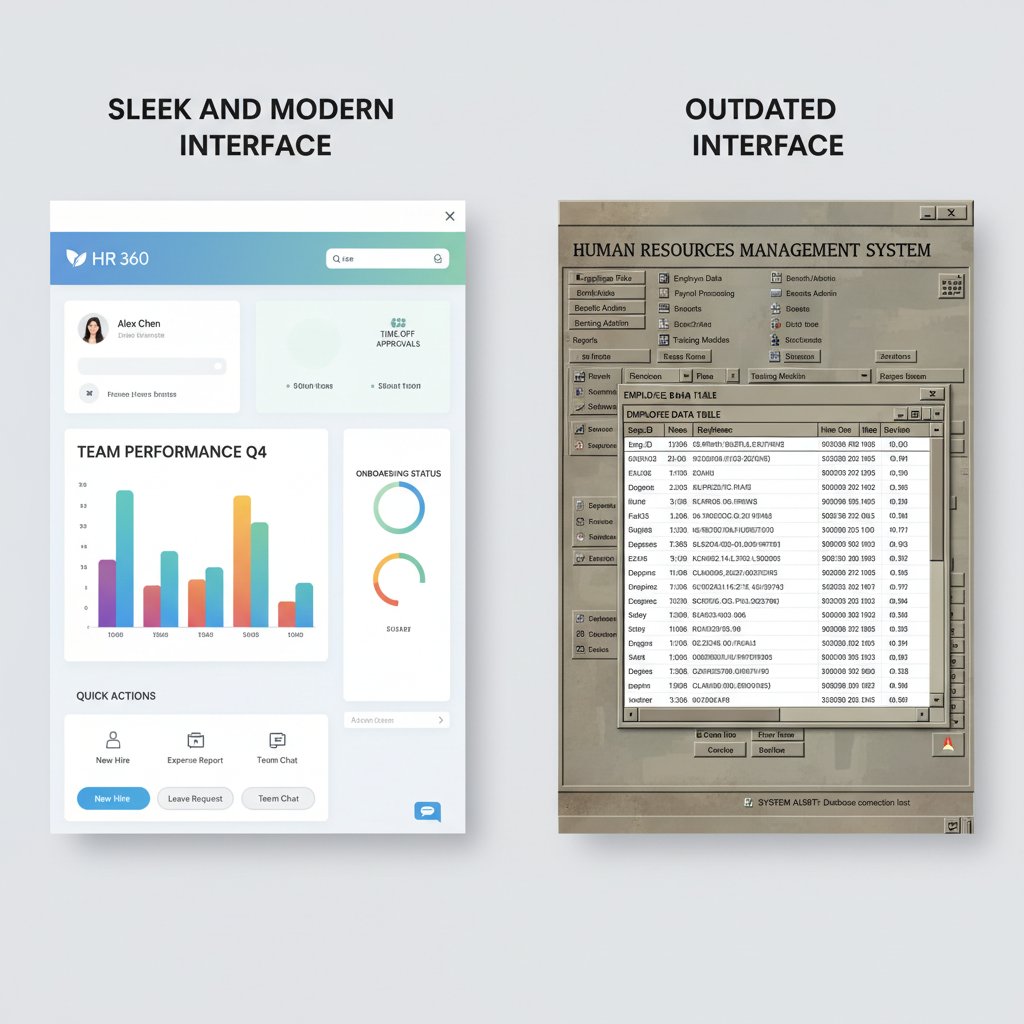
What sets modern platforms apart? Integration, template sophistication, compliance intelligence, and user-friendly design. In 2025, the difference isn’t just in features—it’s in how deeply a platform reduces hidden risks and manual errors.
filecreator.ai and the new breed of professional document generators
filecreator.ai is part of a new generation of platforms built from the ground up for speed, adaptability, and compliance. These tools blend advanced AI with a deep library of industry templates—adapting in real time to new legal requirements, workforce models (gig, hybrid, remote), and document types. The result? Less busywork, fewer mistakes, and more time for strategic HR.
“The new gold standard isn’t just automation—it’s smart automation. Platforms like filecreator.ai set the pace by automating the boring stuff and surfacing what needs human eyes.” — Industry report, Employment Law Review, 2025
Red flags: how to spot a risky or outdated platform
Not every “automatic document generator” is worth your trust—or your data. Here’s how to spot trouble before it costs you:
- No audit trails: If you can’t see who did what, when, your compliance risk soars.
- Poor security: Lack of encryption or access controls is a dealbreaker.
- Lagging updates: Tools that don’t track legal changes leave you exposed.
- Generic templates: If every contract looks the same, you’re one update away from noncompliance.
- No integration: Manual data entry defeats the point of automation.
If a platform feels stuck in 2015, it probably is—move on before it drags your HR team down with it. Always validate vendor claims, demand references, and test-drive with real scenarios.
From HR to the world: unexpected uses and cultural ripple effects
Beyond hiring: document generators in healthcare, tech, and retail
Automatic document generators aren’t just revolutionizing HR—they’re transforming documentation everywhere precision and compliance matter. Here’s where they’re making waves:
- Healthcare: Generating patient documentation, care plans, and compliance reports—improving accuracy and reducing admin time.
- Tech startups: Automating NDAs, IP agreements, and project onboarding—keeping fast-growing teams compliant and agile.
- Retail chains: Standardizing employment contracts and policy communications across dozens of locations—ensuring fairness and clarity.

No matter the industry, the core benefits are the same: speed, accuracy, and the ability to keep up with an ever-changing regulatory environment.
Privacy, trust, and the new workplace contract
Automation doesn’t just change processes—it changes expectations. Digital HR documentation brings transparency to a space long plagued by black-box decisions and lost paperwork. But it also raises big questions: Who controls the data? How is privacy protected? What new responsibilities do employers and employees have when everything’s tracked, timestamped, and retrievable?
In practice, automatic employment document generators can build trust—by providing clear records, fast updates, and digital audit trails. But only if privacy and employee rights are baked in, not bolted on.
“Transparency is the new trust currency. If your HR documents are digital but your privacy policy is a relic, you’re building on sand.” — Data Privacy Advocate, Employment Law Review, 2025
Culture clash: automation vs. the human touch
Can automation kill culture? Not if it’s used wisely. When documents are clean, fast, and trustworthy, HR has more time for real connection. But lean too hard on tech, and the work can feel cold, transactional, and alienating.
| Culture Driver | Manual Paperwork | Digital Automation | Impact |
|---|---|---|---|
| Personal touch | High (but slow) | Variable | Can be enhanced or lost |
| Transparency | Low | High | Boosts trust |
| Speed | Slow | Fast | Empowers agility |
| Consistency | Variable | High | Reduces bias |
Table 5: How documentation methods shape workplace culture
Source: Original analysis based on SHRM, 2025
Just remember: automation is a tool, not a substitute for authentic connection.
How to actually implement an automatic employment document generator (without burning down your HR department)
Step-by-step: from vendor selection to rollout
Ready to ditch the paperwork for good? Here’s how top teams make it happen—without chaos:
- Audit your needs: Map out every type of employment document and pain point.
- Research vendors: Prioritize platforms with proven compliance, security, and integration (see: filecreator.ai).
- Pilot with a small group: Test, gather feedback, and fix gaps before a full rollout.
- Integrate with existing systems: Connect HRIS, payroll, and communication tools.
- Train your team: Don’t just hand over the tool—show how it empowers, not replaces.
- Monitor and iterate: Set up metrics and regular reviews for continuous improvement.

A phased approach reduces friction, surfaces hidden challenges, and builds confidence across the organization.
Building trust: getting your team on board
Rolling out new tech is as much about psychology as it is about software. To build trust and boost adoption:
- Involve stakeholders early: Let HR, IT, legal, and end users shape requirements.
- Communicate benefits, not just features: Show how automation frees up time for meaningful work.
- Recognize skepticism: Address fears about job loss or “dehumanized” HR head-on.
- Provide training and support: Empower everyone to use the tool confidently.
- Celebrate wins: Highlight quick victories—faster onboarding, fewer errors, happier employees.
Building buy-in isn’t a one-time event—it’s an ongoing, transparent conversation. Teams that skip this step usually pay the price in low adoption and high frustration.
Avoiding the top 5 implementation mistakes
Here are the pitfalls that sink automation projects before they start:
- Underestimating change management: Tech is the easy part—getting people to use it is hard.
- Choosing based on price alone: Cheap tools often skimp on compliance and customization.
- Ignoring integrations: Siloed solutions kill efficiency and multiply errors.
- Skipping the pilot phase: Rolling out untested tools company-wide is a recipe for disaster.
- Not setting clear metrics: If you can’t measure success, you’ll never know if you’ve achieved it.
Avoid these mistakes, and you’re already ahead of most teams still stuck in paperwork purgatory.
The bottom line: risks, rewards, and what’s next for HR automation
The hidden benefits no one talks about
The obvious advantages of automation—speed, accuracy, compliance—are just the tip of the iceberg. Here’s what most people miss:
- Audit-ready at all times: Digital trails make it easy to respond to audits or disputes—no more scrambling through folders.
- Employee empowerment: Clear, accessible documents build confidence and trust.
- Continuous improvement: Automated systems provide data on what’s working (and what’s not), driving smarter HR strategy.
- Reduced burnout: When HR teams spend less time on paperwork, they focus on strategic, fulfilling work.
Most crucially, automation frees up your best people to do what they do best—build relationships, solve problems, and drive the culture forward.
When you stop seeing automation as “just another tool” and start seeing it as a force-multiplier for your whole team, the payoff increases exponentially.
Futureproofing: what to watch for in the next five years
Even the best platforms need vigilant users. Here’s what should be on every HR leader’s radar:
- Evolving compliance standards: Stay plugged into legal updates—never assume your tool “has it covered.”
- AI bias and fairness: Review templates and language for hidden bias, especially in global teams.
- Integration depth: The more your systems talk to each other, the more value you unlock.
- Privacy and data ethics: Prioritize vendors with transparent data practices and robust privacy controls.
- User experience: Clunky interfaces kill adoption—focus on tools your team actually likes to use.

Staying future-ready means combining automation with constant vigilance and a willingness to adapt.
Is it worth it? A brutally honest cost-benefit analysis
When you add up the costs—licensing, implementation, training—does an automatic employment document generator pay off? The answer is in the numbers:
| Cost/Benefit Area | Manual Process | Automated Generator | Net Impact |
|---|---|---|---|
| Staff hours/week | 10-15 | 2-3 | 80% saved |
| Compliance penalties | $12k avg/year | $1k avg/year | -$11k risk reduction |
| Onboarding time | 5 days/employee | 1 day/employee | 4x faster |
| Employee satisfaction | Low | High | +Retention |
Table 6: Real-world impact of automating employment documentation
Source: Original analysis based on Gartner, 2025, Engagedly, 2024
The bottom line: the upfront investment pays for itself in reclaimed hours, avoided penalties, and higher employee engagement.
Checklist: are you ready for automation—or just chasing hype?
Quick self-assessment for HR leaders
Ask yourself:
- Are manual tasks eating up more than 30% of your HR team’s time?
- Have you faced compliance issues or near-misses in the past year?
- Is your onboarding process slow, inconsistent, or error-prone?
- Are employees frustrated by lost, delayed, or unclear documentation?
- Do you lack visibility into who updated what, when, and why?
If you answered “yes” to more than two, it’s time to get serious about automation.
But don’t jump in blind—success starts with honest self-reflection and a clear understanding of your organization’s true needs.
Key questions to ask any automatic employment document generator vendor
Before you buy, grill potential vendors with these:
- How often are your templates updated to reflect the latest laws?
- What security measures protect sensitive employee data?
- How does your platform handle local and international compliance?
- What integrations are available out of the box?
- Does your audit trail meet regulatory standards?
- How do you support customization for unique company policies?
- What support and training resources are provided?
Don’t accept vague answers—demand specifics, and back up every claim with references and case studies.
The right questions separate hype from real value.
Conclusion: the new rules of employment documentation in an automated age
Why clinging to old processes is riskier than automation
Let’s get brutally honest: in 2025, sticking with paper files and outdated workflows is more dangerous than the learning curve of automation. The risks—compliance penalties, lost trust, avoidable burnout—are real, and they compound with every hire.
“The true cost of paper isn’t just time—it’s the opportunity cost of everything HR could accomplish if freed from paperwork.” — HR Transformation Expert, SHRM, 2025
Your next move: bold steps for future-focused teams
It’s not enough to automate for automation’s sake. The future belongs to teams who combine the speed and accuracy of AI-powered document generators with the wisdom and empathy of human HR. That’s where the real revolution happens.

So: audit your process, ask tough questions, and choose a platform that matches your ambition. The age of paper is over. The future of HR documentation is automatic, intelligent, and—if you do it right—deeply human.
Sources
References cited in this article
- SHRM: 7 Trends That Will Shape HR in 2025(shrm.org)
- Engagedly: Essential HR Document Checklist for Employee Management in 2025(engagedly.com)
- flair: Automated HR Document Generation(flair.hr)
- Employment Law Review: 2025 HR Trends(employmentlawreview.co.uk)
- HRTechNewsroom: HR Compliance Issues in 2025(hrtechnewsroom.com)
- Oxford College of Management(oxfordcollegeofmanagement.com)
- FlowForma: Document Workflow Automation(flowforma.com)
- Checkbox: Guide to Document Automation(checkbox.ai)
- Automation Anywhere: AI Document Automation(automationanywhere.com)
- Windward Studios: Evolution of Document Generation(windwardstudios.com)
- Scribd: Evolution of HRM(scribd.com)
- AIHR: Digital HR Guide(aihr.com)
- Beekeeper: HR Digital Transformation(beekeeper.io)
- LinkedIn: Evolution of HR Tech(linkedin.com)
- Personnel Today: AI-generated HR documents risks(personneltoday.com)
- LinkedIn: AI and Human Oversight(linkedin.com)
- CULawReview: Dangers of Generative AI in Employment(culawreview.org)
- McMillan: Legal Risks of Automated Hiring(mcmillan.ca)
- MyHRConcierge: Limitations of AI in HR(myhrconcierge.com)
- Backstitch: Ethics of AI in HR(backstitch.io)
- Deel: HR Automation Statistics(deel.com)
- Bitrix24: HR Automation Trends 2024(bitrix24.com)
- Mitratech: 10 Documentation Mistakes(clc.mitratech.com)
- ExactComms: Signs Your Compliance System is Outdated(exactcomms.com)
- AmericanBar: Employment Law Red Flags(americanbar.org)
- CareerCraft AI: Resume Generator(careercraftai.pro)
- ResumeMaker: AI Resume Translator(resumemaker.online)
- ILO: Protection of Workers’ Personal Data(webapps.ilo.org)
- RSA: Data Privacy and Trust in the Workplace(thersa.org)
- TrustArc: Employee Data Privacy(trustarc.com)
- ICS Career GPS: Balancing Automation and Human Touch(icscareergps.com)
- IgniteHCM: Human Touch in Automated HR(ignitehcm.com)
- PeopleSpheres: HR Document Generator(peoplespheres.com)
- Legal Foundations: Employment Contract Generator(legalfoundations.org.uk)
- Mitratech: Introducing Document Automation(mitratech.com)
- Paylocity: HR Automation Benefits(paylocity.com)
Perfect Documents, Instantly
Filecreator.ai transforms the way you produce professional documents. Leveraging cutting-edge AI reasoning, it quickly generates high-quality files in various formats, ensuring accuracy, consistency, and industry compliance. Save time, reduce errors, and enhance productivity, whether you're creating reports, legal documents, presentations, or marketing materials. Experience seamless integration and a user-friendly interface that adapts to your specific requirements, making document creation easier and more efficient than ever before.
Get startedStart Creating Professional Documents Today
Join thousands of professionals who trust AI-powered document generation
Frequently Asked Questions
How much time can HR teams save by using automatic employment document generators?
According to the article, HR teams can reduce time spent on document processing from 10+ hours per week with manual paperwork to 1-2 hours per week using automated document generation, representing a massive time saving.
What percentage of HR leaders feel overwhelmed by paperwork according to the article?
According to Gartner's 2025 analysis cited in the article, 75% of HR leaders feel their teams are overwhelmed by the paperwork burden.
What is the error rate difference between manual and automated employment document processing?
The article states that manual paperwork has an error rate of 12% on average, while automation reduces this to less than 2%, significantly lowering compliance risk.
What research is cited regarding the impact of manual document processing in HR?
The article references research from Deel and YouGov (June 2024) showing that manual document processing creates bottlenecks throughout organizations, and also cites Gartner's 2025 analysis on HR paperwork burden and workforce planning engagement.
Continue Reading
Explore more from Professional Document Generator

Automated Employment Documents: Efficiency Gains and Compliance Risks
Automated employment documents reshape HR workflows. This article examines the efficiency gains, compliance risks, and organizational impact of employment document automation.

Automated Employment Documents: Compliance and Control
Generating automated employment documents requires balancing speed with compliance and security. This article examines the strategic considerations and practical implications of HR automation.

Automated HR Documents: What the Risks Really Are
Automated HR documents promise efficiency but carry hidden risks. This article examines the trade-offs, compliance challenges, and strategies that actually work.

Automatic HR Letter Generators: Efficiency Versus Compliance Risk
An automatic HR letter generator can save time on routine communications, but introduces legal and compliance risks.

Instant HR Document Generation: Balancing Speed with Compliance
Instant HR document generation automates compliance tasks and reduces administrative burden. This article examines what works, the real risks, and how HR teams can implement it effectively.

HR Document Generators: What Changes and What Doesn't
HR document generators automate manual documentation tasks but introduce new compliance risks. This article examines what these tools actually change and where HR teams should focus attention.