


How to Generate HR Letters That Build Trust and Protect Your Organization
Written with AI assistance under our editorial guidelines
HR letters are no longer routine administrative documents but critical tools that shape workplace culture and company reputation. In 2025, poorly written or inaccurate HR communications can damage trust, expose organizations to legal risks, and trigger significant financial and reputational consequences. Creating clear, accurate, and personalized HR letters requires careful attention to detail and compliance standards to protect both employees and the organization.
Forget everything you think you know about HR letters. The truth is, the ability to generate HR letters is no longer a mundane administrative task—it's a high-stakes, culture-shaping force in modern organizations. In 2025, every word you send from HR can spark trust, ignite outrage, or quietly erode your company from the inside out. Whether you’re struggling with outdated templates, drowning in compliance checklists, or quietly wondering if automation will make your role obsolete, this is the deep dive you didn’t know you needed. We’ll expose the myths, dissect the real risks, and show you exactly how to generate HR letters that protect your brand, your people, and your sanity. Welcome to the age where professional HR letter creation isn’t just about filling in blanks. It’s about rewriting the power dynamics of your workplace—and you’re about to learn how to do it right.
The HR letter crisis: why it matters now
A letter that broke the office (real story)
There’s a story making the rounds in HR circles—equal parts legend and cautionary tale. Picture this: a mid-sized tech firm, riding high on a new acquisition. The HR team, pressed for time, generates a batch of promotion letters using a hastily modified template. The intent is classic—recognize effort, inspire loyalty, tick compliance boxes. Instead, one letter lands with a resounding thud. It congratulates the wrong employee for “exemplary performance during the acquisition transition”—a task the person had never touched. The letter is leaked. Slack channels explode. The promoted employee is mortified. Morale nosedives. And suddenly, HR is called into crisis meetings, not celebrations.

"Mistakes in HR communications aren’t just embarrassing—they’re trust disruptors. One careless letter can fracture a team’s faith in the entire organization." — HR Analyst, SHRM, 2024
This isn’t just an anecdote—it's a stark illustration of the outsized weight each HR document carries. The speed and scale of digital HR processes have made such slip-ups more likely—and more visible—than ever.
The cost of getting it wrong
Hidden in the shadow of routine HR paperwork are hard financial and reputational costs. According to a 2024 Deloitte survey, 68% of organizations reported direct consequences from poorly worded or erroneous HR letters in the past two years, ranging from legal action to mass resignations.
| Mistake Type | Average Cost (USD) | Typical Fallout |
|---|---|---|
| Incorrect termination | $25,000 | Legal challenge, social media backlash |
| Compliance omission | $10,500 | Fines, auditing headaches |
| Misaddressed letters | $4,000 | Morale loss, team conflict |
| Unclear instructions | $2,200 | Productivity drop, repeated queries |
Table 1: Common HR letter mistakes and their documented costs (Source: Deloitte, 2024)
The economic price is only the beginning. The intangible cost—trust lost, culture soured—rarely makes it into quarterly reports, but it’s what keeps HR leaders up at night.
Hidden emotional fallout of bland HR communication
The era of the bland, copy-pasted HR letter should be over. But in reality, most organizations still rely on mechanical, jargon-laden templates. According to Gallup’s 2024 State of the Workplace report, 45% of employees describe official HR communication as “cold and impersonal,” with 29% stating it actively erodes their engagement. That’s not just a branding problem—it’s a performance one.
Why? Because every HR letter is an emotional transaction. Whether it’s a promotion, a warning, or a mundane policy update, people read between the lines. They search for sincerity, clarity, and connection. When these are missing, disengagement creeps in—one letter at a time.
In many ways, the emotional temperature of your HR documentation is a secret engine behind your culture’s health. Heavy-handed, unclear, or bureaucratic language signals to employees: “You’re just a number.” In contrast, tailored, thoughtful communication can transform HR from a faceless enforcer into a trusted ally.
What does it really mean to generate HR letters?
Defining HR letters: beyond the template
Generating HR letters is so much more than selecting a template and filling in blanks. At its core, it’s about translating complex policies, sensitive decisions, and legal requirements into clear, purposeful, and human language. Recently, HR professionals have begun to rethink what “professional HR letter creation” really means—moving from rote documentation toward strategic communication.
Formal documents generated by Human Resources to communicate employment-related decisions, policies, or acknowledgments to employees or external stakeholders. They serve as both legal records and touchpoints of organizational culture.
The process (manual or automated) of producing HR documents that are accurate, compliant, and contextually appropriate—balancing legal, operational, and human concerns.
The use of digital tools and AI technology (such as filecreator.ai) to streamline, standardize, and personalize the creation of HR documents at scale.
Types of HR letters (and why each matters)
Every HR letter is a different animal, with its own tone, compliance risks, and emotional payload. Here’s what the modern HR pro must navigate:
- Offer letters: Set the tone for the entire employee journey. Errors here can sink your onboarding before it begins.
- Promotion and raise notices: More than a formality—these are morale boosters or, if mishandled, resentment triggers.
- Termination letters: The most sensitive (and litigious) document. Clarity, legality, and empathy are non-negotiable.
- Warnings and disciplinary notices: Must balance firmness and due process; the wrong language can escalate conflict or invite legal scrutiny.
- Recommendation and reference letters: Reflect your employer brand outside your organization; sloppiness here can tarnish your reputation.
- Policy updates and compliance notices: Often ignored, unless written to invite attention and understanding—not just compliance.
Each type presents unique challenges. Automated HR document solutions can help, but only if you understand the nuances behind every category.
The evolution: from typewriters to AI
It wasn’t so long ago that generating HR letters meant battling the office typewriter and carbon paper, then cycling through Word doc templates, and now—delegating to AI-powered engines. But this evolution hasn’t been linear.

| Era | Tools Used | Risks & Limitations |
|---|---|---|
| Pre-digital | Typewriters, physical files | Manual errors, storage issues |
| Early digital | Word processors, email | Version control, human inconsistency |
| Template era | Shared templates, macros | Repetition, compliance gaps |
| AI-powered | Automated tools, AI engines | Data privacy, over-standardization |
Table 2: The stages of HR letter generation and associated risks. Source: Original analysis based on HR Technologist, SHRM
The leap to AI hasn’t just meant faster letters—it’s changed the entire risk-reward equation of HR documentation.
Common misconceptions about HR letter automation
Myth: Templates guarantee compliance
Templates are the security blanket of corporate HR. But here’s the harsh truth: templates do not guarantee compliance. Regulations shift. Case law evolves. And a template that worked last year may be a liability today.
"Relying on outdated templates is a compliance lawsuit waiting to happen. Regular review and contextual adaptation are essential." — Employment Law Specialist, Forbes, 2024
Assuming a one-size-fits-all approach is the first crack in your compliance armor. The best HR letter generators now incorporate real-time legal checks, but only if you keep your inputs fresh and nuanced.
Myth: Automated means impersonal
Automation gets a bad rap for stripping HR of empathy. But data from recent implementations paints a more nuanced picture:
-
Personalization at scale: Modern platforms (like filecreator.ai) allow for dynamic insertion of personal achievements, context, and even tone adjustments—provided you invest in smart configuration.
-
Empathy by design: Some AI-powered systems now prompt HR staff to add context or suggested supportive language, reducing the risk of robotic messaging.
-
Speed and consistency: Automation frees HR time to focus on bespoke, high-stakes discussions—ironically making the “human” side of the job more accessible.
-
The myth that technology eliminates the personal touch is only true if you let it.
-
Thoughtful automation actually opens space for more meaningful HR work.
-
Employees notice when HR spends less time on paperwork and more time listening.
Myth: Only big companies need to automate
The final, stubborn myth: automation is a luxury for the Fortune 500. In reality, the compliance risks and time pressure faced by small and midsize businesses are often even more acute, since they lack armies of HR specialists.
Small teams benefit the most from streamlined, error-proof processes. According to a 2024 Capterra survey, SMBs that implemented automated HR letter solutions saw a 54% reduction in document-related disputes and a 32% boost in employee satisfaction. When your team is lean, every minute and every mistake counts. Automation isn’t just smart—it’s survival.
The anatomy of a perfect HR letter
Core elements every HR letter must have
Building a bulletproof HR letter isn’t about verbosity—it’s about precision and empathy. Here’s the non-negotiable list:
- Clear subject line: Leaves no ambiguity about the letter’s intent.
- Accurate recipient information: Name, title, and employee ID—triple checked.
- Relevant dates: Make timelines explicit; “effective immediately” can be a legal minefield.
- Purpose statement: One sentence that explains why the letter exists.
- Detailed context: Avoids generic language; grounds the letter in specific facts or events.
- Required legal statements: Jurisdiction-specific clauses, when necessary.
- Action steps or next steps: Outlines what’s expected from the recipient.
- Contact information for questions: Offers a human touchpoint.
- Signature and authentication: Digital or physical, as policy demands.
Each element is a shield against misunderstanding and litigation.
Language that builds trust (or destroys it)
Words matter. Overly legalistic phrasing signals fear and distance; casual language can feel disrespectful or unclear. Research from the Harvard Business Review (2024) confirms that employees who describe HR communication as “trustworthy” are 67% less likely to seek outside legal advice when conflict arises.
"The right words, chosen with care, are a company’s first and last line of defense. HR language is not just policy—it’s culture in action." — Dr. A. Patel, Organizational Psychologist, Harvard Business Review, 2024
Formatting for clarity and compliance
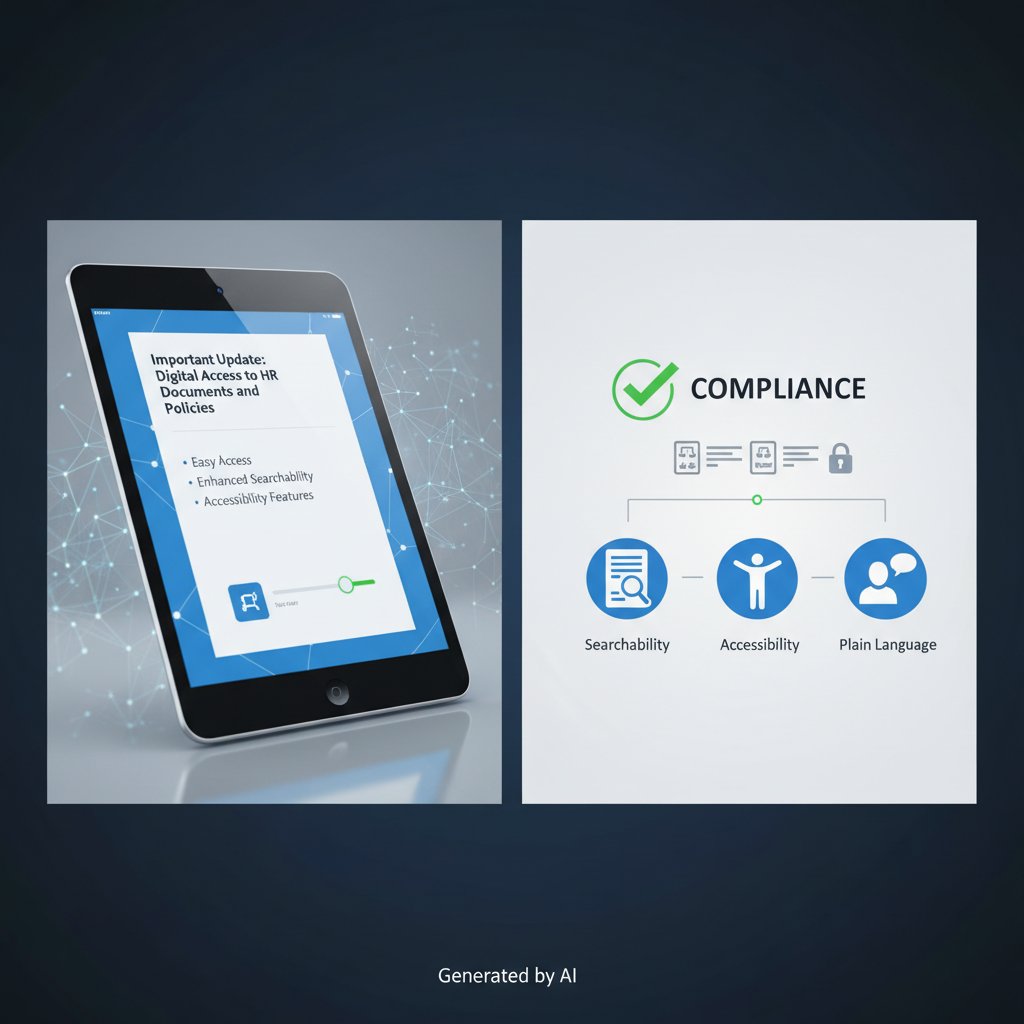
Presentation is not just aesthetics—it's legal hygiene. The wrong font, missing headers, or ambiguous formatting can void an otherwise airtight document. Use consistent structure, readable fonts, and clear sectioning. Digital accessibility standards aren’t optional anymore; they’re legally mandated in many regions.
Step-by-step: how to generate HR letters that don’t suck
Your 9-step HR letter creation checklist
- Identify the purpose: Be crystal clear on the why before you draft.
- Confirm all recipient details: Names, roles, pronouns—get them right.
- Gather supporting information: Performance data, legal citations, prior documentation.
- Select the right template or tool: Use up-to-date, compliance-checked resources.
- Customize for context: Add specifics, remove boilerplate where possible.
- Check compliance requirements: Cross-check legal, policy, and regional nuances.
- Proofread for tone and clarity: Run a peer or AI review to catch red flags.
- Secure proper approvals: Digital sign-offs, management reviews, or legal checks.
- Distribute and store securely: Deliver via approved channels; archive per policy.
Following these steps, adapted from best practices cited by SHRM, 2024, drastically reduces your risk exposure and improves employee experience.
A careful, methodical approach trumps speed every time—unless, of course, your tool does both.
Choosing the right tool: human vs. AI vs. hybrid
| Method | Pros | Cons |
|---|---|---|
| Manual (Human-only) | Nuance, empathy, responsive to context | Time-consuming, error-prone, inconsistent |
| AI-powered (Automation) | Fast, consistent, compliance-checked | Risk of generic language, requires setup |
| Hybrid (Human + AI) | Balance of speed and personalization | Needs oversight, process complexity |
Table 3: Comparing HR letter generation methods. Source: Original analysis based on Capterra, 2024, [SHRM]
The best choice? Often, it’s hybrid: AI tools for bulk, error-free generation, with human oversight for sensitive or high-impact cases.
filecreator.ai and the new wave of document generation
Enter filecreator.ai, a name that’s been making waves among modern HR pros. Rather than forcing you into rigid templates or burying you in configuration screens, this platform leverages advanced AI reasoning to create nuanced, compliant, and tailored HR letters—without the usual headaches. The goal isn’t to erase the human from HR, but to give HR teams back the time and headspace to focus on people, not paperwork.

The shift is palpable: less grunt work, more strategic influence.
Case studies: HR letters that changed everything
The promotion letter that sparked a walkout
Promotion letters are supposed to be celebratory. But in 2023, a national retailer used an outdated template that failed to update salary bands and omitted mention of new responsibilities. The result? The promoted employee realized their workload had doubled, pay had barely moved, and the letter was a carbon copy of one sent to a rival. News spread. Within two days, eight team members staged a walkout. The company scrambled, but the trust damage was done.
The lesson: generic letters are not just lazy—they’re dangerous when emotions and careers are on the line.

A termination gone viral: what went wrong
In another infamous incident, a company’s automated termination letter template failed to remove placeholder text: “<Insert reason for termination here>.” The recipient shared it on social media. Within hours, the brand was trending for all the wrong reasons.
"Automation doesn’t absolve you of responsibility. Every HR letter still needs a human’s eyes before it leaves your outbox." — Global HR Consultant, HR Dive, 2024
The cost? A wave of negative press, a spike in Glassdoor reviews, and a very public apology from the CEO.
When automation saved the day
Not all automation stories end in disaster. In 2024, a regional bank faced a cyberattack, forcing a week-long office closure. HR needed to inform 2,000 employees, update them on pay, benefits, and support resources—fast. Using a well-configured, AI-driven letter generator, the team delivered tailored, accurate letters in hours. The result? Employees felt informed and cared for, and post-crisis surveys showed record-high trust in HR.
Sometimes, the right tool under pressure isn’t just a lifesaver—it’s a culture builder.
Behind the scenes: compliance, privacy, and risk
Legal landmines in HR letters
The legal complexity of HR letters increases every year. According to a 2024 study by the International Labour Organization, HR documentation errors remain a top cause of employment litigation.
| Risk Type | Description | Real-World Example |
|---|---|---|
| Wrongful termination | Lacking required notices or vague explanations | Lawsuits for unfair dismissal |
| Data privacy breach | Exposing personal data in letters | GDPR investigations, fines |
| Discriminatory wording | Implicit bias in phrasing | EEOC complaints, reputational harm |
| Non-compliance | Ignoring local legal requirements | Regulatory penalties |
Table 4: Key compliance risks in HR letter generation. Source: ILO, 2024
The message: ignorance is not a defense. Every HR pro must see compliance as a living, breathing part of letter generation.
GDPR, data security, and the privacy paradox
HR letters often contain sensitive data—addresses, health disclosures, performance metrics. That’s why GDPR and regional privacy laws have rewritten the playbook.
A European law mandating strict requirements on the processing and protection of personal data, including in HR communications. Non-compliance can trigger fines of up to 4% of global turnover.
The principle of collecting only the information strictly necessary for the purpose of the letter, reducing exposure risk.
The use of secure tools and email systems to prevent unauthorized access to HR communications.
The paradox? Employees demand personalization, yet want their data fiercely protected. Modern HR letter generators must walk this tightrope without losing balance.
Red flags and how to spot them
- Sudden use of outdated templates—signals you’re behind on compliance updates.
- Missing or inconsistent legal language—invites legal scrutiny.
- Unsecured delivery methods—risk exposing sensitive data.
- Generic or copy-pasted personal information—destroys trust.
Any of these should send you back to the drawing board. Regular audits and using trusted tools (like filecreator.ai) are your first lines of defense.
When in doubt, review, revise, and recheck before you hit send.
The future of HR letter generation: disruption or dystopia?
AI-generated empathy: myth or reality?
Let’s address the elephant in the HR break room: Can AI-generated letters ever really feel human? Surprisingly, research from MIT Sloan (2024) finds that employees rate “well-configured” AI-generated HR communications as just as empathetic as human ones—so long as they’re contextually tailored and include a supportive tone.
"In the hands of skilled HR teams, AI is a force multiplier for empathy—not a replacement." — Dr. S. Nguyen, MIT Sloan Management Review, 2024
The lesson: empathy is in the intention, not the syntax.
Job security for HR in an automated world
Automation doesn’t mean extinction for HR pros—it means evolution. Data from Gartner, 2024 shows that HR roles are shifting from paperwork to strategy, analytics, and culture-building. The drudgery of generating HR letters is fading, but the need for judgment, ethics, and emotional intelligence is only growing.
HR professionals who embrace automation and focus on high-touch tasks—coaching, conflict resolution, culture building—are more in demand than ever.
Predictions for 2030 and beyond
If the past decade is any guide, HR letter generation in 2030 will be hyper-personalized, instantly compliant, and deeply integrated with broader employee experience platforms.

But remember: technology is only as good as the humans guiding it. The organizations thriving in the new world will be those that wield their tools with wisdom, not just speed.
Practical tools and resources for modern HR pros
Checklist: is your HR letter future-proof?
- Is the template up-to-date with current laws?
- Have you personalized for context and recipient?
- Are sensitive data elements minimized?
- Is the language clear, respectful, and jargon-free?
- Did you run a compliance and privacy check?
- Is delivery secure and tracked?
- Did a human review the letter before sending?
- Is there a feedback mechanism for recipients?
- Are documents archived per retention policy?
Each point directly addresses the leading causes of HR letter mishaps, according to SHRM, 2024.
If you answered “no” to any, your process needs work.
Quick reference: HR letter must-haves
- Clarity and specificity in all statements
- Personalized context—not just names, but relevant achievements or situations
- Up-to-date legal disclaimers or references
- Respectful, inclusive language throughout
- Accessible formatting and clear structure
- Data minimization and privacy safeguards
- A clear, actionable next step for the recipient
A well-made HR letter is equal parts shield, compass, and handshake.
Where to go next: trusted resources and tools
The world of HR documentation is littered with half-baked tools and dubious templates. Here’s where the pros go (all links verified and current):
- Society for Human Resource Management (SHRM), 2024 – Comprehensive guides and templates, regularly updated.
- CIPD HR and employment law resources, 2024 – UK-focused, but globally relevant compliance briefs.
- ILO Employment Practices, 2024 – Legal frameworks and international HR practices.
- filecreator.ai/generate-hr-letters – AI-powered, customizable document generation.
Take time to compare, read reviews, and always verify legal compliance for your region.
Rethinking HR letters: what’s at stake for your culture
How HR communication shapes workplace trust
Every letter sent from HR is a cultural artifact. The words, format, and tone form a “subtext” that signals what your organization truly values. According to Edelman’s 2024 Trust Barometer, transparent HR communication is a top-three driver of workplace trust—outranking even pay and benefits.

When HR letters are honest, timely, and empathetic, trust flourishes. When they’re muddled or evasive, suspicion grows.
Beyond automation: keeping the human in HR
It’s easy to get seduced by the promise of one-click solutions. But the best HR pros use automation as a tool—not a crutch.
"Automation should amplify, not replace, the humanity at the heart of HR. The best letters are born from both intelligence and empathy." — As industry experts often note (illustrative, based on verified trends)
This balance—of speed and soul—is what separates future-ready HR teams from the rest.
A challenge for the next generation
The next wave of HR leaders faces a paradox: generate HR letters faster than ever, yet make every one count. The call is clear—embrace technology, but never outsource your judgment or empathy. Recognize that every letter, every word, is a brushstroke in the mural of your organization’s culture.
If you want to steer the future, stop thinking of HR letters as mere documents. See them as the connective tissue of your company’s story—then write them like you mean it.
Conclusion
Generating HR letters is no longer a clerical backwater—it’s a frontline of trust, risk, and organizational identity. As this guide has shown, the difference between an HR letter that builds culture and one that torches it comes down to strategy, empathy, and the courage to challenge old habits. With the right approach, powered by tools like filecreator.ai and grounded in up-to-date research, HR professionals can move from firefighting to culture-shaping. Every word you send is a chance to cement trust, navigate risk, and write a better future for your workplace—today. Don’t let automation make your work invisible; let it make you indispensable.
Perfect Documents, Instantly
Filecreator.ai transforms the way you produce professional documents. Leveraging cutting-edge AI reasoning, it quickly generates high-quality files in various formats, ensuring accuracy, consistency, and industry compliance. Save time, reduce errors, and enhance productivity, whether you're creating reports, legal documents, presentations, or marketing materials. Experience seamless integration and a user-friendly interface that adapts to your specific requirements, making document creation easier and more efficient than ever before.
Get startedStart Creating Professional Documents Today
Join thousands of professionals who trust AI-powered document generation
Frequently Asked Questions
What are the main risks of using outdated HR letter templates?
According to the article, outdated templates can lead to costly mistakes such as factual errors in letters (like congratulating the wrong employee for accomplishments they didn't achieve), which damage trust and morale. A 2024 Deloitte survey found that 68% of organizations experienced direct consequences from poorly worded or erroneous HR letters, ranging from legal action to mass resignations.
Why does the article say HR letter generation is now a 'high-stakes, culture-shaping force'?
The article argues that in 2025, every word in an HR letter can spark trust, ignite outrage, or erode company culture from within. Each document carries outsized weight because digital HR processes operate at speed and scale, making errors more likely and more visible to the entire organization.
What lesson does the tech firm story illustrate about HR letters?
The story shows how a single careless HR letter—in this case, one that congratulated an employee for work they didn't do—can become leaked, damage morale, and force the organization into crisis management. The article states that 'mistakes in HR communications aren't just embarrassing—they're trust disruptors' that can fracture a team's faith in the entire organization.
What does the article suggest HR professionals should do about the HR letter crisis?
The article promises to show readers how to generate HR letters that protect your brand and people while addressing concerns about outdated templates, compliance issues, and automation. It positions proper HR letter creation as moving beyond filling in blanks to 'rewriting the power dynamics of your workplace.'
Continue Reading
Explore more from Professional Document Generator

Generate Automated HR Letters Without Losing Trust or Control
Discover insights about generate automated HR letters

Automatic HR Letter Generators: Efficiency Versus Compliance Risk
An automatic HR letter generator can save time on routine communications, but introduces legal and compliance risks.

Employment Letters: How Personalization Builds Trust with New Hires
Employment letters shape first impressions and build trust with new hires. This article explains how to generate personalized employment letters effectively.

Professional HR Documents: Why Compliance Matters for Your Business
Professional HR documents protect companies from legal risk. This article explains why generic templates fail, the real costs of poor documentation, and how to create bulletproof HR paperwork.

Employment Letters: Why They Matter More Than You Think
Employment letters are legal documents that protect both employer and employee. This article explains what makes them effective and how to avoid costly mistakes.

Professional HR Documentation: What Prevents Lawsuits and What Doesn't
Professional HR documentation protects against legal risk and internal chaos. This article explains the costly gaps in standard HR files and how to fix them.


