


Document Management Platforms That Prevent Million‑dollar Mistakes
Written with AI assistance under our editorial guidelines
Document chaos costs businesses millions annually, with lost files causing regulatory fines, missed deals, and lawsuits. Research shows 48% of users struggle finding documents quickly, while 22% of files are recreated from scratch. Legal firms lose an average of $2 million yearly from missing documents, making robust document management platforms essential for protecting business operations and compliance.
In the shadowy heart of every modern business, there’s a dirty secret nobody wants to admit: document chaos. Open any digital drawer and you’ll find clutter, confusion, and a string of tab names promising order but delivering headaches. The phrase “document management platform” is thrown around boardrooms and IT huddles with the kind of reverence reserved for miracle cures, but behind the buzz, the reality is much messier. For anyone who’s lost hours hunting for a critical file, struggled with a broken workflow, or faced a compliance audit armed only with half-baked systems and wishful thinking, the brutal truths about document management aren’t just cautionary tales—they’re daily pain points. In this deep dive, we rip away the slick marketing and get raw: why document chaos costs more than you think, how platforms promise salvation but sometimes deliver new nightmares, and what it really takes to future-proof your business. Whether you’re a seasoned CIO, a harried admin, or just someone tired of version confusion and cloud outages, this is your field guide to surviving—and mastering—digital document management in 2025. Buckle up.
Why document chaos costs more than you think
The hidden price of lost files
It’s the Monday morning horror story: a deadline, a hard drive click, and a missing contract that nobody can locate. Every lost file doesn’t just cost a few minutes of panic; it can spiral into lost deals, regulatory fines, or even lawsuits. Research from Adobe Acrobat (2023) exposes the depth of this problem—48% of users struggle to find documents quickly and 22% of files are recreated from scratch because the originals vanish into the digital ether. This isn’t just a nuisance; it’s a financial hemorrhage.
| Industry | Average Annual Loss from Lost Documents | Percentage of Files Lost Annually | Cost Impact (USD) |
|---|---|---|---|
| Legal | $2M | 7.5% | High (lost cases) |
| Healthcare | $1M | 5% | Medium (compliance) |
| Finance | $1.5M | 6% | High (delays) |
| Manufacturing | $800K | 8% | Medium |
| Marketing/Media | $500K | 4% | Medium |
Table 1: Statistical summary of annual costs from lost documents across industries. Source: Original analysis based on Adobe Acrobat, 2023, FileCenter, 2023

"Every missing file is a ticking time bomb." — Maya
The ripple effects of a single lost file can be insidious. Teams scramble, morale dips, and critical projects stall while someone, somewhere, tries to recall if the final version was emailed, uploaded, or left on a USB stick. Multiply this across hundreds of employees and thousands of documents, and the hidden tax on productivity and innovation is staggering.
How inefficiency kills innovation
It’s not just about the money. It’s about the opportunity cost—the ideas never pitched, the deals never closed, the breakthroughs buried under a mountain of duplicated files and broken workflows. According to doc-assure.africa (2023), 30% of employee time is wasted searching for files, and 65% of staff admit to working on the wrong document version at least once. This is more than IT inconvenience; it’s a direct hit to your competitive edge.
- Unlocks hidden talent: When employees stop wasting hours on file hunts, they focus on real work—creativity, strategy, and customer impact. Research consistently shows that streamlined workflows unlock innovation.
- Reinforces compliance with less effort: Automated version control and access logs mean fewer mistakes, less risk, and more time for real compliance work.
- Empowers remote and mobile teams: With 60% of US workers now mobile-first, a modern document management platform (DMS) is mission-critical for collaboration and speed.
- Reduces burnout: Repetitive admin drains energy. Smooth document management keeps your best people engaged and motivated.
- Facilitates faster decision-making: When approved docs are always at hand, teams move faster—no more bottlenecks or embarrassing delays.

Consider this: inefficiency isn’t just the enemy of progress—it’s the silent killer of morale, culture, and competitiveness. Organizations with chaotic document processes bleed time and talent, while those with well-oiled DMS solutions surge ahead.
The compliance nightmare no one admits
Let’s get honest—compliance isn’t a sexy topic, but it’s the landmine waiting under your desk. The pace of regulatory change is relentless. Data privacy laws (think GDPR, CCPA, HIPAA), industry-specific retention rules, and regionally variable standards have all exploded in the past decade. A “good enough” document management approach won’t cut it now. According to MuleSoft (2023), 80-90% of organizations are still wrestling with app integration and compliance issues, leaving them exposed to fines and litigation.
| Year | Major Regulatory Change | Impact on Document Management |
|---|---|---|
| 2016 | GDPR (EU) | Mandatory data controls/retention |
| 2018 | CCPA (California) | Enhanced consumer data rights |
| 2020 | HIPAA updates (US Healthcare) | Stricter patient doc security |
| 2021 | ISO 27001 revisions | Broader scope, deeper audits |
| 2023 | AI Act (proposed, EU) | Algorithmic transparency, recordkeeping |
Table 2: Timeline of compliance changes affecting document management. Source: Original analysis based on Business.com, 2023, FileCenter, 2023
Falling behind on compliance isn’t just a paperwork issue. It’s a multi-million-dollar gamble no organization can afford—yet too many take. The hidden costs are steep: legal fees, damaged reputation, and lost opportunities.
What is a document management platform—really?
Beyond the buzzwords: Core features explained
Let’s slice through the jargon. A document management platform isn’t just a digital filing cabinet. The best DMS solutions are sophisticated toolkits for control, collaboration, and compliance. Here’s what matters:
Keeps track of every change, preventing overwrites and chaos. Essential for collaboration—no more “final-final-v2.docx” madness.
Data about data. Tags, author, creation dates—metadata powers search, security, and workflow automation.
Converts scanned images or PDFs into searchable, editable text. Critical for digitizing legacy documents.
Set granular permissions—who sees what. Protects sensitive info and supports compliance.
An immutable log of every action—who accessed, edited, or shared a document. Lifesaver during audits.
Route docs for approval, signature, or review—automatically. Reduces human error and delays.
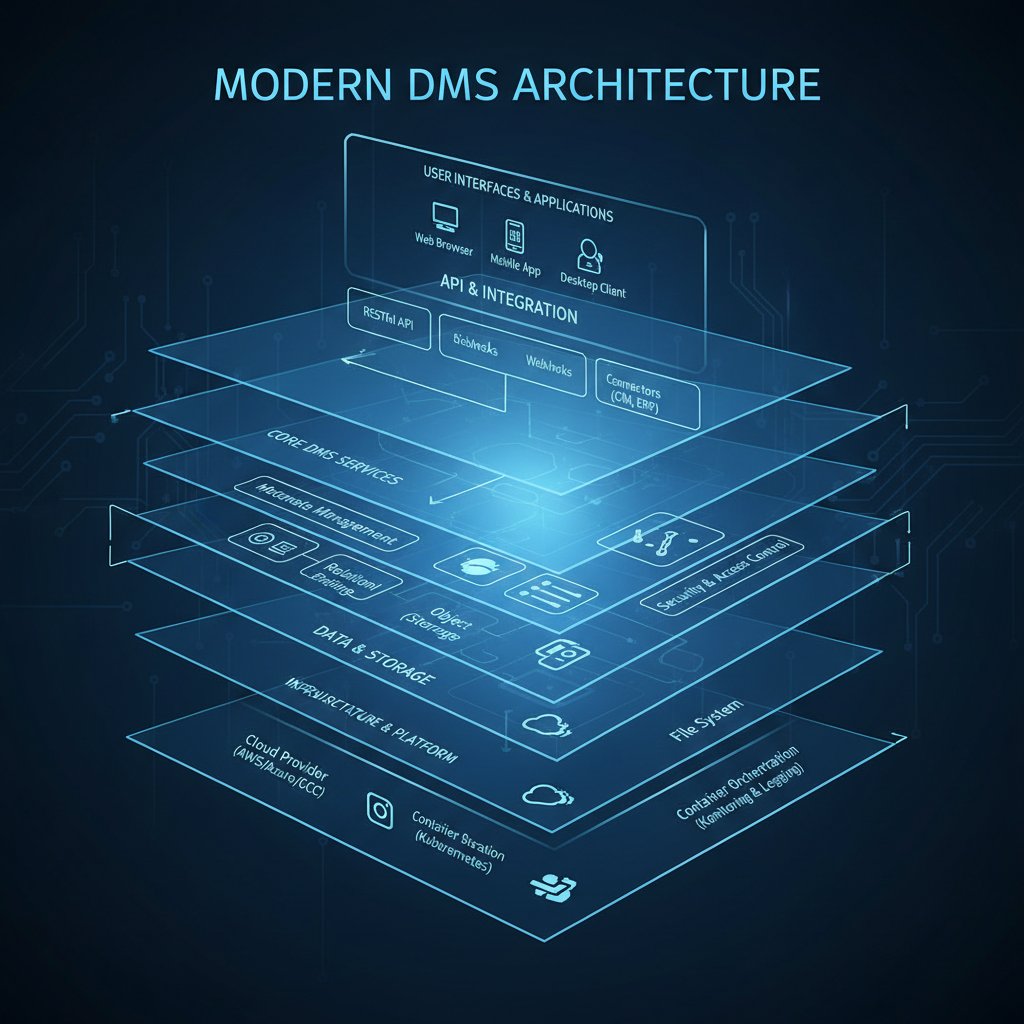
The best document management platforms blend these features seamlessly, creating an environment where documents are assets, not liabilities.
How platforms evolved from file cabinets to AI
The document management saga is a story of relentless digital reinvention. Here’s how we got here:
- Physical file cabinets (pre-1980s): Paper ruled—slow, error-prone, and impossible to scale.
- Early DMS (1980s-1990s): Simple databases and network drives, with rudimentary search and categorization.
- Web-based platforms (2000s): Docs move to the cloud; versioning and collaboration improve, but security gaps emerge.
- Mobile and remote access (2010s): Demand for anytime, anywhere access. Integration with email and business apps becomes standard.
- AI and automation (2020s): Machine learning categorizes docs, flags compliance risks, and automates approvals. The human workload shifts from admin to strategy.
Today’s DMS isn’t just a storage solution—it’s a dynamic digital backbone essential for survival and growth.
But don’t be fooled: the path here is littered with failed migrations, broken integrations, and cautionary tales. Each generation brought gains and new pitfalls, and the stakes are higher than ever.
Misconceptions that stall digital transformation
Digital transformation is a loaded phrase—often wielded like a magic wand. But too many organizations get tripped up by persistent myths:
- All cloud is created equal: Not true. Look for proven security, uptime, and compliance certifications. Don’t buy hype—demand evidence.
- Migration is always easy: Nightmare fuel for IT. Bad planning leads to lost data and endless rework.
- One platform fits all: The goldilocks myth. Your business is unique; your DMS should fit, not force.
- Automation replaces humans: In reality, automation augments—freeing people for higher-value work.
- Security is just a password away: Modern threats require layered defense—encryption, multi-factor, audit logs.
"Cloud doesn't mean compromise—if you know what to demand." — Alex
When shopping for a document management platform, watch for these red flags:
- Opaque pricing: If you can’t see the true cost, expect hidden fees.
- Locked-down integration: Limited compatibility equals future pain.
- Token compliance: Vague “certified” claims without documentation.
- No offline options: Cloud outages still happen—offline access is non-negotiable.
- Weak user controls: If admins can’t set granular permissions, run.
The anatomy of a great document management platform
Security: More than just passwords and locks
Security isn’t a feature—it’s the foundation. In the DMS world, a breach means more than embarrassment; it risks regulatory fines, reputation damage, and existential threats. According to a 2023 report by ccScan, 43% of enterprises reported increased cloud outages and breaches, making robust security non-negotiable.
| Provider | Encryption (at-rest/in-transit) | Multi-Factor Auth | Compliance Certifications | Audit Logs | Offline Backup | Zero Trust Architecture |
|---|---|---|---|---|---|---|
| Filecreator.ai | Yes/Yes | Yes | GDPR, ISO, SOC2 | Yes | Yes | Yes |
| Competitor A | Yes/Partial | Partial | GDPR, ISO | Partial | No | No |
| Competitor B | Partial/Partial | No | ISO only | No | No | No |
| Competitor C | Yes/Yes | Yes | GDPR, SOC2 | Yes | Partial | Yes |
Table 3: Security feature matrix comparing top DMS solutions. Source: Original analysis based on ccScan, 2023, provider documentation.

The real difference? Ongoing vigilance. It’s not about setting security and forgetting it—the threat landscape mutates daily. The strongest platforms are proactive, transparent, and built on a security-first culture.
Collaboration and workflow automation dissected
Let’s kill the myth that document management is a solitary pursuit. Modern DMS platforms are collaboration engines, enabling distributed teams to co-create, review, and approve documents in real-time. Features like live editing, threaded comments, and automated routing for signatures and approvals cut bottlenecks and confusion.
A top-tier platform isn’t just about storage; it’s about flow—work moves forward, not sideways. Workflow automation takes the grunt work out of getting documents from draft to done, flagging bottlenecks and ensuring nothing gets stuck in digital limbo.

Collaboration isn’t just a “nice-to-have.” It’s the edge that lets fast-moving teams outpace bureaucracy and hit deadlines with confidence. Automation, meanwhile, ensures that compliance steps and approvals happen—every time—without micromanagement.
Customization, integration, and the myth of ‘one size fits all’
No two organizations work the same way. Customization isn’t vanity; it’s survival. The best DMS solutions adapt to your workflows, not the other way around. This means custom templates, API access, and deep integrations with existing tools—ERP, CRM, HR systems, you name it.
The digital handshake that lets your DMS talk to other software—critical for workflow automation.
One login for everything. Reduces password fatigue and centralizes security.
Real-time notifications to trigger actions—like sending alerts when a document is approved.
Too often, vendors sell the myth of “one size fits all.” In practice, rigid platforms force workarounds, shadow IT, and resentment. Don’t compromise—demand fit and flexibility.
A tailored document management platform is the difference between a digital straitjacket and a springboard for innovation. Choose wisely.
Real-world disasters and the platforms that saved the day
Case study: When a hospital nearly lost it all
In 2023, during a region-wide power outage, a mid-sized hospital faced its worst nightmare: patient records stored on local servers became instantly inaccessible. With compliance deadlines looming and patient care in jeopardy, the clock was ticking. According to multiple industry reports, healthcare organizations are uniquely vulnerable, with 5% of files lost annually and legal exposure mounting.
The hospital’s salvation came in the form of a robust, cloud-connected DMS with offline backup capability. Within hours, staff restored critical information and resumed operations—no patient was left in the dark, no regulatory fines incurred. The real lesson? Redundancy and intelligent cloud/offline integration aren’t luxuries; they’re lifelines.

A digital transformation isn’t just about efficiency—it’s about resilience. When disaster strikes, only the prepared survive.
Legal firm horror story: The million-dollar mistake
A prominent law firm, convinced their nightly backups were bulletproof, woke up one morning to discover a ransomware attack had locked every file in their system. The problem? Their backups weren’t truly offline, and critical case documents were unrecoverable.
"We thought our backups had us covered. They didn’t." — Jamie
The aftermath was brutal: lost cases, irate clients, and a reputation in tatters. In the reckoning that followed, the firm invested in a DMS with true versioning, automated compliance logs, and offline failsafes—a hard lesson in the cost of complacency.
Document management platforms aren’t just operational tools; they’re risk mitigation strategies. Ignore this truth at your peril.
Media company miracle: Speeding deadlines with automation
A global media company, notorious for missed editorial deadlines, turned to DMS automation to regain its edge. By implementing real-time editing, automated approval chains, and AI-powered tagging, they cut production time by 40%. Editors raved about finally “finding the right file, every time.”

The transformation was palpable: fewer missed deadlines, more creativity, and a team reenergized by the freedom to focus on content—not chaos. Automation wasn’t the enemy of creativity; it was the rocket fuel.
Choosing your platform: What matters (and what doesn’t)
The must-have features for 2025 and beyond
With the DMS market projected to grow from $6.1B in 2023 to $17.7B in 2032 at a 12.6% CAGR (according to FileCenter, 2023), the feature race is on. But not every bell and whistle is worth your money. Here’s what to look for:
- Granular version control: Prevents data loss and confusion.
- Mobile-first UI: With 60% of the workforce remote, seamless access is vital.
- AI-powered search: Find anything, instantly—even in scanned docs.
- Offline backup: Cloud outages are a reality; plan for them.
- Robust compliance tracking: Automated logs, audit trails, and retention rules.
- Flexible integrations: Plug into your ERP, CRM, HR systems.
- User-friendly workflows: Automation that adapts to your process, not the reverse.
- Customizable templates: Industry and workflow-specific, not generic.
- Security certifications: Don’t accept vague promises—demand proof.
- Transparent, scalable pricing: No hidden costs or lock-ins.

These aren’t just nice-to-haves; they’re table stakes for survival in the modern digital landscape.
Common traps in the decision process
The sales pitch is slick. The demo looks great. But implementation tells the real story. Too many organizations fall into these traps:
- Buying for features, not fit: The “shiny object syndrome” leads to shelfware and wasted budget.
- Ignoring user adoption: The fanciest tech is useless if nobody uses it—invest in training and change management.
- Skipping integration planning: A DMS siloed from your other tools is just a digital junk drawer.
- Relying on default settings: Security and workflows should be tailored, not generic.
- Forgetting offboarding: What happens when you leave the platform? Data portability is non-negotiable.
Unconventional uses for document management platforms:
- Automated contract renewal alerts: Never miss an expiration again.
- Marketing asset libraries: Centralize branding—no more rogue PowerPoints.
- Policy distribution and acknowledgment tracking: Compliance at scale.
- Incident report logging: Create a “paper trail” for audits or litigation.
- Employee onboarding kits: One-click access to HR docs and policies.
Avoiding these traps is a matter of planning, not luck. Don’t let the promise of digital order devolve into new chaos.
How to future-proof your investment
A document management platform isn’t a short-term fix; it’s an infrastructure decision. To keep your sanity (and budget) intact, approach it like a marathon, not a sprint:
- Choose platforms committed to open standards: Avoid lock-in and ensure long-term flexibility.
- Demand clear SLAs and update roadmaps: Know how your vendor evolves and supports.
- Invest in ongoing training: Tools change; so should your team’s skills.
- Prioritize platforms with robust data export: If you need to move, you won’t be trapped.
"Think in decades, not just quarters." — Priya
Future-proofing isn’t about predicting trends—it’s about building agility. In a world where the only constant is change, agility is your true competitive advantage.
The human side: Adoption, resistance, and culture wars
Why your team resists new platforms
Tech is only half the battle. The other half? Culture. Even the best document management platform fails if users push back or quietly evade the system. Resistance is human—driven by fear of change, perceived complexity, and the “it’s always been this way” mentality.
Change is threatening, especially for veterans used to legacy workflows. Without buy-in, you get shadow IT, duplicate systems, and finger-pointing when things break.
Ignoring resistance isn’t just naïve—it’s a recipe for failure. Call it what it is: a digital culture war.

But here’s the kicker: resistance often signals poor communication or a mismatch between platform and actual work. Listen to your people—they’re telling you where the landmines are.
Strategies for making change stick
Overcoming inertia and skepticism takes more than a “training day.” Successful adoption is a process, not an event. Here’s how the pros do it:
- Involve end-users early: Solicit feedback before rollout—let them shape workflows and flag pain points.
- Communicate the “why”: Tie platform benefits to real-world outcomes—time saved, risk avoided, success stories from peers.
- Start with champions: Early adopters can evangelize and demo wins to their teams.
- Deliver “quick wins”: Small, visible improvements (like easy search or faster approvals) build momentum.
- Provide ongoing support: Training isn’t one-and-done. Make resources and help easily available.
- Measure and celebrate success: Track adoption metrics, usage stats, and share stories of wins and lessons learned.
Making change stick is about culture, not just clicks. Ignore this at your peril.
The real payoff? When your team stops fighting the platform and starts owning it, productivity and morale soar.
The quiet impact on morale and retention
Underneath the dashboard metrics and workflow charts, there’s something less tangible but just as critical: how document management shapes the emotional DNA of your workplace. A chaotic system breeds frustration, cynicism, and churn. A great platform, on the other hand, signals trust—equipping people with the tools they need to thrive.
In organizations with smooth DMS adoption, you’ll see a ripple effect: reduced burnout, higher engagement, and a renewed sense of purpose. Employees spend less time on grunt work and more on creative, value-added tasks.

Morale isn’t fluff. It’s a leading indicator of retention, productivity, and resilience. Invest in your people as much as your platform.
Risks, red flags, and how to mitigate disaster
Migration mistakes that haunt organizations
Data migration is where many DMS projects go to die. Rushed planning, incomplete inventories, and lack of testing turn what should be a step forward into a costly nightmare. According to Adobe Acrobat (2023), 47% of organizations find their digital filing systems ineffective, often due to botched migrations.
A common horror story: an organization moves to a new platform, only to discover key files missing, metadata lost, and users locked out. The fix? Weeks (or months) of manual rework and lost productivity. The lesson: migration is not a side project—it’s a mission-critical initiative.

Preparation, not improvisation, is the antidote. Map your data, test migrations thoroughly, and plan for contingencies.
Vendor lock-in and the fine print you ignore
Every DMS contract has a dark side—the fine print. Vendor lock-in, data extraction fees, and hidden costs sneak up fast. Don’t get seduced by low up-front pricing or grand promises of “unlimited” storage.
Watch for these contract terms:
Charges for extracting your data if you switch vendors—an expensive trap.
Docs stored in vendor-specific file types make migration out painful.
Restricts integration and automation—your workflows are chained to their ecosystem.
Contracts that roll over without notice—read the renewal terms!
The best document management platforms are transparent—on pricing, technology, and exit planning.
Don’t just look for what’s offered. Scrutinize what’s missing, restricted, or hidden in the small print.
Checklist: Keeping your platform (and sanity) secure
Security and compliance aren’t one-time efforts—they’re daily disciplines. Here’s your essential checklist:
- Enable multi-factor authentication (MFA) for all users.
- Audit user access monthly—revoke stale accounts immediately.
- Schedule regular data backup and test restores.
- Review compliance logs for unusual activity or access patterns.
- Keep all integrations and dependencies up to date—patch, patch, patch.
- Set clear data retention and deletion policies—automate where possible.
- Train staff on phishing, ransomware, and social engineering threats.
- Document incident response procedures and run tabletop exercises.
A secure document management platform is only as strong as its weakest link. Make sure that’s not your process—or your people.
The future of document management: Disruption, AI, and beyond
AI and automation: What’s hype, what’s real
AI is the new king of the DMS marketing jungle. But beyond the hype, real advances are reshaping the landscape. Automation now powers document tagging, workflows, and even compliance monitoring—freeing humans for more strategic work.
| AI-Driven Feature | Mainstream Adoption (2025) | Business Impact |
|---|---|---|
| AI-based document categorization | High | Major productivity gain |
| Automated compliance checks | Moderate | Reduced legal risk |
| Smart search (semantic) | High | Faster information access |
| Predictive workflow routing | Low | Emerging |
| Natural language query | Moderate | Improved usability |
Table 4: Market analysis of AI-driven DMS features (2025). Source: Original analysis based on ccScan, 2023, industry reports.

The bottom line: AI isn’t replacing humans; it’s eliminating drudgery and unlocking new capabilities. Just make sure you separate marketing fairy tales from features that actually drive value.
Sustainability and the paperless paradox
For all the talk of “paperless offices,” the US still churns through 21 million paper types annually, with 7.5% of paper documents lost (FileCenter, 2023). The paradox? Digital transformation sometimes triggers more printing—policies, signatures, “just in case” hard copies.
But the tide is turning. With intelligent e-signatures, mobile workflows, and cloud storage, organizations are finally cutting the cord on dead trees. The environmental and cost benefits are real—but only when backed by disciplined digital processes and robust DMS platforms.

Moving beyond paper isn’t just a green initiative. It’s a fundamental shift in how organizations communicate, collaborate, and compete.
The next wave: Platforms as culture-shapers
The future isn’t just about features or AI. It’s about culture. Document management platforms are quietly reshaping organizational DNA—how people share, trust, and build together. The winners? Those who treat DMS not as an IT project, but as a cultural transformation.
"Tomorrow’s winners are building digital cultures, not just systems." — Taylor
A great platform is invisible when it works—empowering, not policing. It’s a force multiplier for every department, every project, every ambition.
The revolution isn’t coming. It’s already here—and it’s as much about mindset as machine learning.
Your move: Crafting an actionable document management strategy
Quick reference: Deciding if you need a new platform
If any of these statements ring true, it’s time to rethink your document management platform:
- You regularly waste time searching for files, despite having “systems” in place.
- Teams complain about version confusion or duplicate work.
- Compliance audits are a scramble, not a process.
- Remote or mobile employees struggle to access what they need.
- You can’t track who accessed or edited critical documents.
- Cloud outages have left you in the dark without offline options.
- You dread migration, fearing lost data or business disruption.
- There’s no clear owner for document workflows—everyone blames “the system.”

These aren’t minor annoyances—they’re red flags that signal risk and lost opportunity.
Building your case: ROI, buy-in, and beyond
Switching platforms is a big ask—so arm yourself with data. The ROI isn’t just theoretical. According to 2024 research, 91% of organizations waste cloud spending through underutilized resources, while poor document management costs firms millions in rework and lost deals.
| Industry | Average Time Saved per Employee | Annual Cost Savings | Measurable Benefit |
|---|---|---|---|
| Legal | 200+ hours | $100K+ | Reduced risk, faster casework |
| Finance | 150+ hours | $80K+ | Fewer errors, faster closes |
| Healthcare | 180+ hours | $90K+ | Better compliance, less admin |
| Marketing | 120+ hours | $60K+ | More campaigns, less friction |
Table 5: ROI comparison across industries after DMS adoption. Source: Original analysis based on Adobe Acrobat, 2023, FileCenter, 2023
The path to buy-in? Show the business case in hard numbers, not just anecdotes. Link platform investment to outcomes—speed, compliance, morale.
Where to start: Expert tips and resources
Don’t go it alone. Start with a brutally honest audit—where are your current workflows breaking down? Talk with frontline users, not just IT. Prioritize needs over wants.
When researching, look for resources that cut through hype and focus on real-world impact. Sites like filecreator.ai—with expertise in professional document generation—offer insights, guides, and community knowledge to help you weigh options and avoid common traps.
Tap into case studies, talk with peers in your industry, and test platforms with a “worst-case” mindset: What happens in a disaster? How fast can you recover? Who owns the process when the vendor stops answering?
Your best resource is a learning mindset—ask tough questions, learn from failures, and build partnerships with vendors who actually listen.
Conclusion
The document management platform is not a silver bullet, but it might just be the difference between chaos and clarity, between disaster and resilience. As this investigation has exposed, the costs of document disorder are not just financial—they’re cultural, operational, and emotional. But the flip side is just as profound: a thoughtfully selected, smartly implemented DMS can become your organization’s silent powerhouse, unlocking innovation, enforcing compliance, and restoring sanity to your workday. The future is not about features, but about fit—cultural fit, operational fit, and strategic alignment. Invest in platforms that adapt to you, not the other way around, and don’t underestimate the human side of adoption. If you’re ready to face the brutal truths and take control of your digital destiny, start now—audit, question, and choose wisely. And remember, resources like filecreator.ai are at your disposal as you navigate the wilds of modern document management. In the end, it’s not about escaping chaos, but mastering it—and turning your platform into a launchpad for everything your business can achieve.
Sources
References cited in this article
- Business.com(business.com)
- FileCenter(filecenter.com)
- ccScan(ccscannow.com)
- Doc-Assure(doc-assure.africa)
- Dynamic Excellence(dynamicexcellence.net)
- FileCenter(filecenter.com)
- Compliance Week(complianceweek.com)
- InfoConnect(infoconnect.com.my)
- Forbes(forbes.com)
- Tech Times(techtimes.com)
- Docsumo(docsumo.com)
- Mooncamp(mooncamp.com)
- Papermark(papermark.com)
- Future Market Insights(futuremarketinsights.com)
- ShareFile(sharefile.com)
- Quixy(quixy.com)
- Trovve(trovve.com)
- NOAA(climate.gov)
- Wolters Kluwer(wolterskluwer.com)
- Harvard RMF(rmf.harvard.edu)
- Cognizant Case Study PDF(cognizant.com)
- WNS Media Automation(wns.com)
- Laserfiche Gartner Guide(info.laserfiche.com)
- AIPRM AI Workplace Stats(aiprm.com)
- MetaSource(metasource.com)
- 15Five(15five.com)
Perfect Documents, Instantly
Filecreator.ai transforms the way you produce professional documents. Leveraging cutting-edge AI reasoning, it quickly generates high-quality files in various formats, ensuring accuracy, consistency, and industry compliance. Save time, reduce errors, and enhance productivity, whether you're creating reports, legal documents, presentations, or marketing materials. Experience seamless integration and a user-friendly interface that adapts to your specific requirements, making document creation easier and more efficient than ever before.
Get startedStart Creating Professional Documents Today
Join thousands of professionals who trust AI-powered document generation
Frequently Asked Questions
What percentage of files are recreated from scratch due to being lost?
According to research from Adobe Acrobat (2023), 22% of files are recreated from scratch because the originals disappear into the digital ether.
Which industry faces the highest average annual loss from lost documents?
The legal industry faces the highest average annual loss at $2M per year, with 7.5% of files lost annually and high cost impact from lost cases.
What percentage of users struggle to find documents quickly?
According to Adobe Acrobat research (2023), 48% of users struggle to find documents quickly.
What are the potential consequences of losing critical files in business?
Lost files can spiral into lost deals, regulatory fines, or even lawsuits, making document loss far more than just a nuisance—it's a significant financial risk.
Continue Reading
Explore more from Professional Document Generator

9 Truths About Document Management Solutions Revealed
Document management solutions involve hidden costs and common misconceptions. This article examines 9 key truths about document management and workflow automation strategies.

Is Your Document Management Software Lying to You?
Document management software isn’t what you think. Uncover hard truths, hidden costs, and the new rules to transform chaos into control—before it’s too late.

Document Creation Tool for Businesses: the Cost of Getting It Wrong
Discover insights about document creation tool for businesses

Replace Inefficient Document Systems Before They Quietly Sink You
Discover insights about replace inefficient document systems

Document Versioning Software That Prevents Million‑dollar Mistakes
Discover insights about document versioning software

Document Automation Platforms in 2026: Power, Risks, and ROI
Discover insights about document automation platform