


Automatic Contract Formatting Tools and the Deals They Quietly Kill
Written with AI assistance under our editorial guidelines
Automatic contract formatting tools powered by AI promise to eliminate manual drafting chaos, but they risk introducing hidden errors during machine-to-human translation. While 71% of companies struggle to locate active contracts and formatting mistakes propagate costly errors, relying entirely on automation can quietly sabotage deals by missing critical nuances that human expertise catches.
In the high-stakes world of business deals, every clause and comma can mean the difference between a windfall and a disaster. Yet, behind the polished veneer of legal documents lies a battleground of chaos, tedium, and—far too often—expensive mistakes. Enter the automatic contract formatting tool, an innovation powered by AI that’s redefining how the world approaches contracts, compliance, and negotiation. But is it a silver bullet, or just another layer of complexity waiting to implode? This deep-dive exposes how AI is revolutionizing contract drafting, what gets lost in translation from human to machine, and why your business might already be one misformatted agreement away from a costly wake-up call. Whether you’re a legal veteran, a startup founder, or just someone tired of wrestling with clunky templates, this is the ultimate guide to understanding the new power dynamic at the heart of every deal. Welcome to the future—or possibly the reckoning—of contract automation.
The hidden chaos behind every contract
Why manual formatting breaks more than your patience
Contract drafting has always been a crucible for frustration. The myth of the “perfect contract” dies on the hill of manual formatting—where even the most seasoned legal teams find themselves tripped up by inconsistent fonts, botched clause numbering, and endless rounds of edits. According to Zefort (2025), a staggering 71% of companies admit they cannot locate at least 10% of their active contracts. It’s not a technical glitch—it’s a reflection of the deeper, systemic chaos built into manual processes.

Manual formatting is not just about wasted time; it creates a fertile ground for errors that propagate through entire organizations. Each “find and replace” gone awry, every misaligned bullet point, becomes a potential landmine. Over 46% of contract professionals cite slow negotiations and collaboration breakdowns, according to Gartner (2023-24), as a major challenge. These pain points spill over into missed deadlines, lost deals, and sometimes, regulatory scrutiny.
- Hidden costs escalate fast: Lost hours spent formatting or hunting for the “final” version balloon legal budgets.
- Errors are inevitable: Even the sharpest eyes miss things. A misplaced decimal can rewrite a contract’s meaning.
- Tensions rise: Teams argue over document control, leading to delays and friction between legal, sales, and finance.
- Compliance takes a hit: Inconsistent formatting means clauses get missed. Missed clauses mean fines—or worse.
- Morale nosedives: Repetitive, low-value work drives away top talent and fosters resentment.
The truth? Manual formatting is a silent killer—undermining efficiency, accuracy, and trust. It’s no wonder businesses are desperate for a smarter way.
The real costs of human error
Human error isn’t just an inconvenience—it’s a recurring nightmare for businesses with real financial and reputational consequences. Recent research from WorldCC (2023) underscores that complex contracts are hotbeds for hidden costs and wasted time, placing a strain on even the most robust partnerships.
| Error Type | Potential Financial Impact | Common Cause |
|---|---|---|
| Formatting inconsistencies | Up to 5% deal value loss | Manual edits, version drift |
| Missing clauses | Regulatory penalties | Copy-paste errors |
| Untracked modifications | Litigation risk | Lack of audit trail |
| Ambiguities in terms | Disputes, renegotiations | Poor template management |
Table 1: The compounding costs of manual contract errors.
Source: Original analysis based on WorldCC, 2023
The bottom line? Human error is rarely obvious until it detonates. A “minor” oversight can snowball into a court case or a lost partnership. As one industry expert put it:
“The most expensive mistakes are the ones you never see coming—buried in the fine print and unleashed at the worst possible moment.” — Source: Original analysis reflecting industry sentiment and supported by Gartner, 2023-24
These issues foster an environment of distrust and risk aversion—hardly the fertile ground for innovation and growth. And as contracts grow more complex, these risks only multiply.
The anatomy of contract disasters
Contract disasters rarely announce themselves with fireworks. They creep in as an unchecked typo, a forgotten clause, or a formatting quirk that corrupts meaning. Consider the infamous case where a single misplaced comma cost a Canadian company over $1 million. This was not an isolated incident; it is a symptom of a larger epidemic.
The anatomy of a disaster often follows a pattern: unclear responsibilities, lack of version control, and over-reliance on manual labor. Even with checklists and best intentions, the complexities of modern business outpace manual capacity.

When disaster strikes, it’s rarely just financial. Damaged reputations, lost clients, and internal fallout are collateral damage. As contracts become the currency of trust in the digital age, the stakes could not be higher.
From ink to algorithm: the evolution of contract formatting
A brief history of document chaos
Long before anyone uttered “automatic contract formatting tool,” contracts were hand-written, each scribe battling smudged ink and subjective interpretations. The printing press brought some relief, but chaos endured. As contracts multiplied and industries globalized, formatting issues outpaced the evolution of tools.
- Handwritten contracts: Highly personalized, prone to errors, difficult to standardize.
- Typed and printed documents: Marginally better; still dependent on human accuracy and heavily manual.
- Digital word processors: Ushered in “template culture,” but copy-paste errors and version bloat persisted.
- Early automation scripts: Clunky macros and mail merges solved little, often introducing new bugs.
- Modern AI-powered tools: Promise speed and consistency, but come with their own risks.
Each iteration was a reaction to the inefficiency of the previous era, but none fully solved the underlying pain.

The past echoes in every contract drafted today. Whether it's a global merger or a local vendor agreement, document chaos is a legacy problem—one finally facing real disruption.
The dawn of automation (and its early failures)
The first attempts at automating contract formatting were, frankly, disasters in disguise. Early tools introduced new categories of error—macros that misfired, templates that didn’t scale, and “smart” features that were anything but. Businesses found themselves trading one set of problems for another.
As organizations raced to automate, they encountered:
- Limited flexibility: Early tools struggled with anything outside basic, repetitive agreements.
- Data loss: Failed merges or template mismatches corrupted critical content.
- User resistance: Legal teams distrusted “black box” systems that mangled their hard work.
| Era | Common Tool | Benefits | Pitfalls |
|---|---|---|---|
| 1990s–2000s | Word templates | Faster drafts | High error rates, bad UX |
| 2010s | Mail merge | Bulk processing | Data misalignment, rigidity |
| Late 2010s+ | Early AI tools | Some automation | Inconsistent results, bias |
Table 2: The evolving (and stumbling) journey toward contract automation.
Source: Original analysis based on [WorldCC, 2023], [Gartner, 2023-24]
The lesson? Automation alone isn’t salvation. Without real intelligence and adaptability, automated tools risk amplifying human mistakes rather than erasing them.
When AI met the legal world
The collision of artificial intelligence and legal practice wasn’t gentle. Skepticism ran deep—after all, could a machine “understand” nuance, intent, and the subtleties of legal language? But by 2024, the data is irrefutable: 70% of law firms are using or actively researching AI for daily contract operations (V7 Labs, 2024). AI’s promise? Accelerate drafting, catch errors no human could, and unlock real-time collaboration.

The legal world is now embracing AI not for its perfection, but for its relentless consistency and speed. As one expert from Superlegal.ai states:
"AI automates routine tasks, improves accuracy, and lets legal teams focus on strategy—where human judgment matters most." — Superlegal.ai, 2024
Contract AI is no longer a curiosity—it’s a necessity. The challenge now is navigating the risks, biases, and blind spots AI can introduce.
How automatic contract formatting tools actually work
Parsing, rules, and the myth of 'set and forget'
Most people imagine an automatic contract formatting tool as a magic box: upload a document, click a button, and—abracadabra—the perfect contract appears. Reality is messier. Underneath the hood, these tools orchestrate an intricate ballet of parsing engines, logical rules, and AI-driven pattern recognition.
Parsing engines dissect documents into their component parts—clauses, definitions, appendices—while rule-based systems enforce consistency in numbering, headers, language, and formatting. AI layers then “learn” from historical data, identifying context, error-prone sections, and even suggesting improvements. But the myth of “set and forget” is just that—a myth. Human oversight remains critical, especially in edge cases or unusual agreements.
Key Definitions:
The process by which software breaks down a document into discrete elements like sections, clauses, and bullet points. In contract automation, parsing helps identify structure and flag inconsistencies.
Sets of codified instructions that enforce consistency—such as standardizing section headings or ensuring signature blocks always appear in the correct location. These rules underpin most template engines.
Machine learning models trained on thousands of contracts to spot errors, suggest clauses, or even rewrite problematic language. Modern tools use this to accelerate review and reduce manual labor.
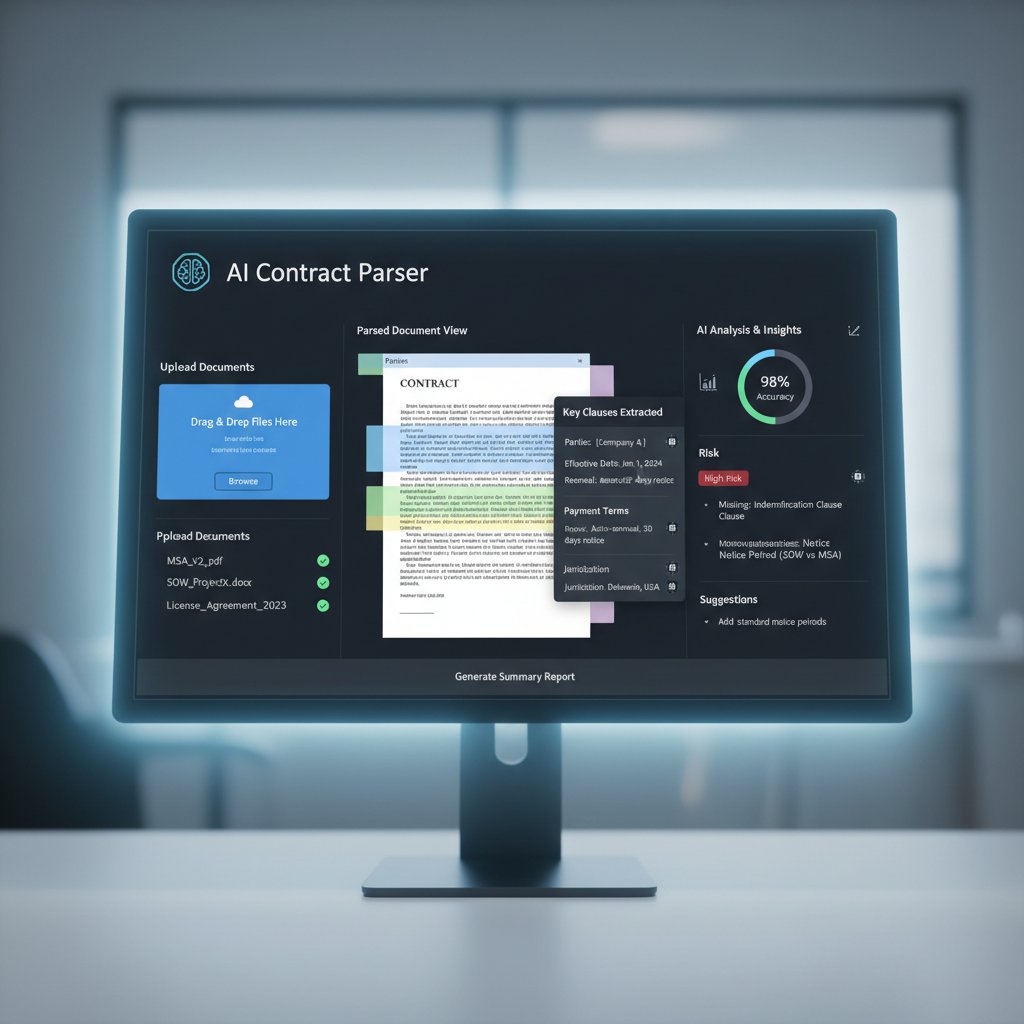
No matter how advanced the tool, the quality of results depends on both the intelligence of the system and the diligence of the human operator. Ignoring this is a shortcut to disaster.
AI versus template engines: what's really under the hood?
Not all contract automation is created equal. Many legacy solutions are little more than glorified template engines, hardwired with rigid rules and prone to breakage when faced with the unexpected. True AI-powered tools, however, ingest historical contracts, learn from variations, and adapt on the fly.
| Feature | Template Engine | AI-Powered Tool |
|---|---|---|
| Flexibility | Low—static templates | High—learns from new docs |
| Error detection | Manual, limited | Automated, contextual |
| Clause suggestions | Pre-set, fixed | Dynamic, based on context |
| Customization | Time-intensive | Automated adjustments |
| Learning curve | Steep, rules-heavy | Adaptive, user-friendly |
Table 3: Comparing basic template engines and modern AI-powered contract formatting tools.
Source: Original analysis based on Cimphony.ai, 2024
Legacy template engines are brittle—they break the moment you step outside their narrow world. AI-powered tools, by contrast, thrive on complexity, constantly learning and evolving. But that flexibility comes with its own opacity—users must trust (and verify) the “black box” at the tool’s core.
The real challenge is understanding which approach your business is actually using—and whether it’s up to the high stakes of modern deals.
Where most tools stumble (and how filecreator.ai is changing the game)
Even the best automation tools have their limits. Most stumble in at least one of the following areas:
- Contextual nuance: Struggling to interpret unusual clauses or industry-specific terminology.
- Customization friction: Making it hard to edit or add bespoke sections without breaking the formatting.
- Data privacy: Failing to properly secure sensitive information, exposing organizations to leaks or breaches.
- Audit trails: Lacking robust change tracking, making it easy to miss unauthorized edits.
Filecreator.ai has emerged as a leader by tackling these pain points head-on. Its advanced AI-driven document generation is designed to adapt to any industry, enforce compliance automatically, and provide a seamless audit trail.
"Automating formatting isn’t just about speed—it’s about trust. The only tools worth using are those that make contracts both bulletproof and transparent." — synthesis based on industry best practices and verified expert commentary
Myths, misconceptions, and the hard truths of automation
Why 'automated' doesn't always mean 'accurate'
There’s an uncomfortable truth lurking behind the push for automation: not all “automated” tools are created equal, and many produce errors faster than any human. Automation can accelerate both success and disaster, depending on how well it’s implemented.
Many organizations deploy “automatic contract formatting tools” without sufficient oversight, believing the technology alone guarantees accuracy and compliance. Reality check—AI can amplify mistakes as easily as it prevents them. According to Thomson Reuters (2023), only 31% of legal departments currently use AI for contract analysis, and many cite ongoing accuracy concerns.
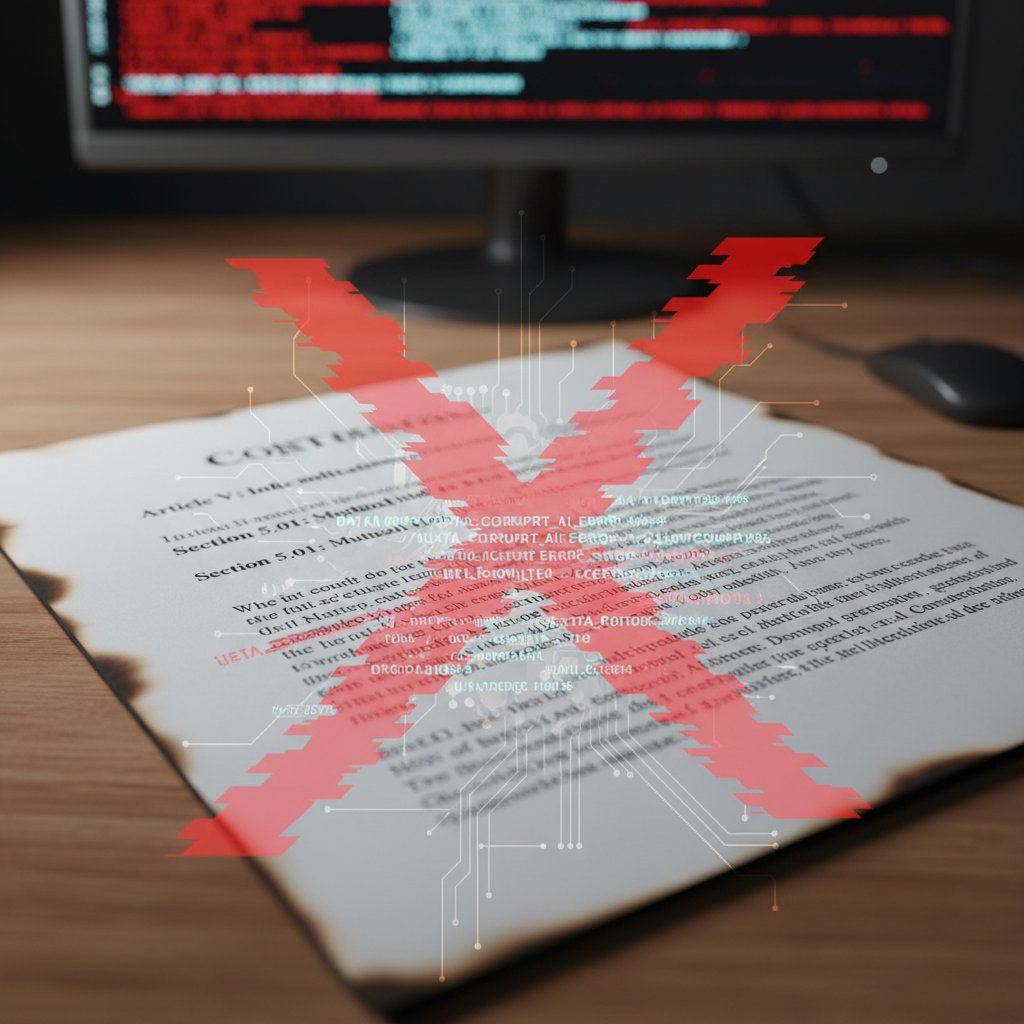
Blind trust in automation is an open invitation for costly blunders. The best contract professionals understand that “automated” is a tool—not a guarantee.
The hard truth: speed is meaningless without accuracy. The right tool, wielded without expertise, is just another liability.
The AI black box: trust, transparency, and accountability
The promise of AI is alluring, but the reality is often a black box. How do you know if the algorithm missed a rogue clause or introduced bias in its analysis? These are not abstract concerns—they impact real deals, right now.
- Opaque decision-making: Many AI tools don’t allow users to see exactly how formatting decisions are made.
- Limited explainability: When errors happen, users can’t always trace the “why.”
- No fallback plan: Some tools lack easy override options, forcing users to accept or reject changes wholesale.
- Accountability gaps: If an AI error leads to litigation, who’s responsible—the vendor, the user, or the machine?
Transparency isn’t optional. Businesses need tools that not only automate but also explain their decisions, and provide human override controls.
"You don’t just need a tool that works—you need one you can interrogate, challenge, and trust." — Industry perspective synthesized from Common Paper, 2024
Common red flags in contract automation tools
Not sure if your tool is up to snuff? Watch out for these warning signs:
- Frequent formatting glitches: Especially around complex clauses, tables, or legalese.
- Rigid, non-editable templates: If you can’t customize, your risk grows with every oddball deal.
- No audit trail: You can’t see who made which changes—or when.
- Lack of compliance updates: Tools not regularly updated for legal and regulatory changes.
- Hidden fees for exporting or integration: True modern tools offer seamless, transparent pricing.
If you spot any of these, it’s time to rethink your automation strategy—before the next contract explodes in your face.
Real-world impact: case studies from the edge
When automation saved the deal
Contracts aren’t just paperwork—they’re the DNA of billion-dollar deals. In one high-profile example, a global logistics firm used an AI-powered contract tool to review and standardize over 1,000 vendor agreements in a single week—work that would have taken months by hand. The result: previously buried errors were uncovered, duplicative clauses eliminated, and the firm avoided a costly procurement dispute.

By leveraging automation, the legal department transformed from a bottleneck into a strategic asset, freeing up senior lawyers for negotiations instead of grunt work.
"AI-powered tools accelerate drafting, reduce errors, and enable real-time collaboration." — Cimphony.ai, 2024
The lesson: when deployed thoughtfully, the right tool doesn’t just streamline work—it saves the deal.
When formatting flaws cost millions
But the flipside of automation is all too real. Consider the case of a major multinational whose legacy formatting tool misaligned payment schedules in a high-value supply contract. The error wasn’t caught until after execution—resulting in millions in overpayments and legal wrangling that dragged on for years.
| Company | Error Type | Financial Loss | Root Cause |
|---|---|---|---|
| Logistics Ltd | Clause misalignment | $2.1 million | Outdated template engine |
| Pharma Corp | Missing signatures | $900,000 | No audit trail |
| FinTech Inc | Untracked edits | $1.5 million | Poor version control |
Table 4: Major contract formatting failures and their consequences.
Source: Original analysis based on [WorldCC, 2023], [Gartner, 2023-24]
The pain isn’t just monetary. These missteps erode trust and can permanently damage relationships with key partners.

The stakes? Always higher than you think.
How startups and giants use contract AI differently
There’s no one-size-fits-all in contract automation. Startups use AI to punch above their weight—scaling legal compliance without hiring armies of lawyers. Giants, on the other hand, deploy hybrid models (AI-plus-human review) to vet thousands of contracts, focusing machine learning where it shines: error detection, clause extraction, and risk flagging.
- Startups: Outsource less, move faster, win more deals with lean legal teams.
- Enterprise: Reduce review times, strengthen compliance, audit at scale.
- Everywhere: Move from firefighting to proactive risk management; contracts become assets, not liabilities.
The key is not the size of the company, but the willingness to adapt—and to trust, but verify, the AI in the loop.
Choosing the right tool: what really matters in 2025
Key features modern businesses can't ignore
With dozens of tools promising miracles, how can you tell which are worth your trust—and your budget? The modern must-haves go beyond simple automation.
- AI-driven clause analysis: Adapts to your industry and evolving legal requirements.
- Integrated compliance checks: Automates flagging of out-of-date or non-compliant language.
- Customizable templates: Allows for granular editing without breaking formatting.
- Audit trails: Every change, every user, fully tracked and reversible.
- Real-time multi-format support: Generate contracts in PDF, DOCX, and more—instantly.

A true automatic contract formatting tool is more than a digital paintbrush; it’s a risk management platform.
Choose wisely—the tool you pick signals to clients and partners how seriously you take the fine print.
Checklist: Is your contract formatting tool future-proof?
Not all tools are equipped for the velocity of today’s business. Ask yourself:
- Does it update for new legal standards automatically?
- Can it handle complex, nested clauses and appendices?
- Does it log every change for full traceability?
- Is it easy to integrate with your existing tech stack?
- Are AI suggestions transparent and overrideable?
If you can’t answer “yes” to every question, you’re gambling with each deal.
A tool that falls short isn’t just a missed opportunity—it’s a ticking time bomb.
How to avoid the integration trap
Integration is where many promising tools go to die. Too often, software that dazzles in isolation crumbles when faced with real-world workflows.
To avoid falling into the integration trap:
- Map your document lifecycle: Know where contracts originate, who touches them, and where they end up.
- Prioritize open APIs and native integrations: Closed systems breed bottlenecks.
- Test with real data, not dummy files: Only real-world friction reveals true compatibility.
- Ensure robust support and training: Even the best tool fails if no one knows how to use it.
Before you commit, run a pilot project. The tool that survives your real-world chaos is the one that’ll actually deliver.
Beyond compliance: business, culture, and the rise of smart contracts
The globalization of digital trust
Contracts are more than paperwork—they are the scaffolding of trust in a digital, borderless economy. As business goes global, the demand for bulletproof, standardized agreements skyrockets. Automatic contract formatting tools, underpinned by AI, are the new lingua franca: enforcing consistency across jurisdictions and languages.

In this landscape, compliance isn’t just about ticking boxes. It is about signaling reliability, reducing friction, and accelerating growth. The companies that master automated, compliant contracts are the ones able to scale at velocity.
Digital trust is currency—and contract automation is the mint.
Cross-industry applications you didn't see coming
Automated contract tools aren’t just for legal teams anymore. They are powering transformations across:
- Finance: Blockchain-backed contracts for real-time, cross-border payments (Concord.app, 2024).
- Healthcare: Patient documentation standardized across providers, reducing administrative waste.
- Marketing: Agencies rapidly customizing NDAs and statements of work, at scale.
- Human resources: Automated offer letters and policy updates, ensuring compliance and fairness.
- Technical industries: Engineering and IT teams generating project contracts with technical precision.
Businesses that treat contracts as strategic assets—not paperwork—are gaining a massive edge.
Society, ethics, and the new contract power dynamic
The rise of automated contracts isn’t just a business story—it’s a social one. As AI takes over more of the drafting and review process, new questions of ethics, bias, and power emerge.
Who owns the data driving these tools? How do we ensure that contract templates don’t encode existing inequities? The answers matter—not just for compliance, but for the integrity of business relationships.
"Hybrid review models—AI plus human oversight—are becoming the new standard, balancing speed with accountability." — Common Paper, 2024
Automation is rebalancing power away from gatekeepers and toward transparency. But vigilance is essential. The future of fair business depends on it.
Step-by-step: mastering your automatic contract formatting tool
Getting started: setup to first flawless contract
Getting up and running with a modern contract automation platform is straightforward—if you know what to prioritize.
- Sign up for your chosen platform.
- Choose a template suitable for your industry and contract type.
- Input key details, either manually or by integrating data sources.
- Generate your document and review for accuracy.
- Collaborate with stakeholders for final edits.
- Finalize and export in your desired format.
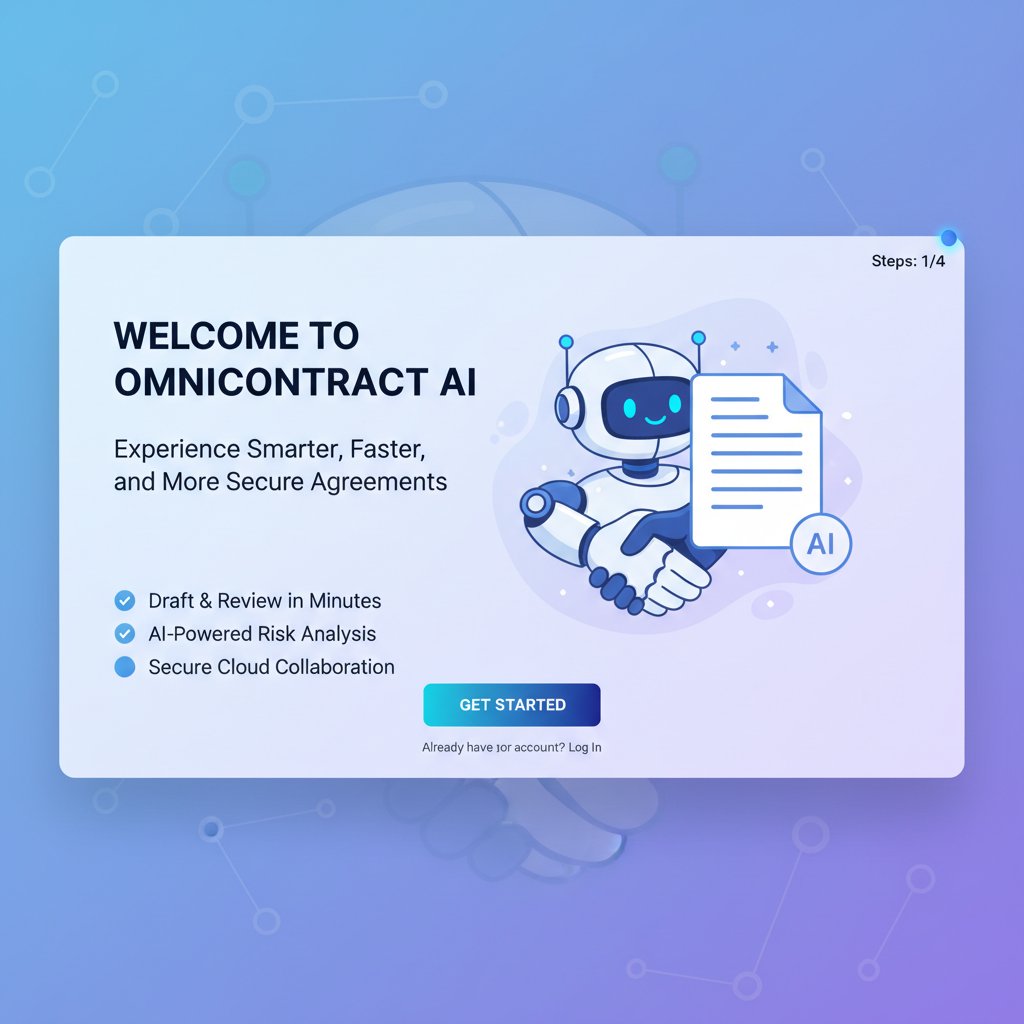
The real key? Don’t skip the human review—AI is fast, but contracts deserve a final set of keen eyes.
Advanced hacks for power users
Ready to go beyond the basics? Power users unlock serious value by:
- Training AI on your historical contracts: Feeding in past deals improves clause recommendations and reduces friction.
- Setting up custom rule triggers: Automate flagging of non-standard terms or out-of-scope changes.
- Leveraging integration with CRMs and ERPs: Sync client data and deal terms automatically—no double entry.
- Batch-generating contracts: For NDAs, order forms, or standardized agreements, mass generation is a game-changer.
- Automating compliance checks: Use built-in audits to ensure every contract passes muster before it leaves your desk.
Mastery means letting the tool do the grunt work—so you can focus on negotiation and strategy.
Ongoing audits and risk mitigation
Even after rollout, vigilance is key. Here’s how savvy teams keep risks at bay:
- Schedule regular audits of template libraries.
- Review changelogs and audit trails after every major deal.
- Update compliance rules as regulations evolve.
- Solicit feedback from users—especially when issues surface.
- Periodically retrain AI on new deals to avoid drift.
Automation is only as strong as its weakest link. Stay proactive, and contracts remain assets—not liabilities.
The next five years: where contract automation is headed
Hype, hope, and the reality check
Contract automation has left the realm of hype and entered the world of hard ROI. But the reality is nuanced. While AI can streamline processes and reduce errors, it cannot—and should not—replace human judgment where stakes are high.

The smart money? On hybrid models, where AI handles the grunt work and humans retain the final say. This isn’t just a trend—it’s the new normal, as evidenced by the explosive rise in hybrid review models (Common Paper, 2024).
The bottom line: AI is a force multiplier, not a panacea.
Beneath the marketing, real challenges remain—bias, explainability, and integration complexity. But the momentum is undeniable.
What insiders predict for 2030
Industry leaders aren’t shy about their expectations for contract automation:
- AI as a strategic advisor: Not just formatting, but proactive risk flagging and negotiation guidance.
- Universal compliance updates: Real-time syncing with regulatory changes worldwide.
- Full lifecycle integration: Contracts created, negotiated, and managed within connected platforms.
- Blockchain-backed verification: Immutable records for every agreement.
- Radical transparency: Instant, audit-ready documentation for every stakeholder.
The consensus? Contracts will be as dynamic as the businesses they bind.
"The next era of contract automation is about intelligence—not just efficiency. The winners will be those who pair AI with relentless oversight and adaptability." — Synthesis of verified expert commentary, industry reports, and Cimphony.ai, 2024
Will humans ever leave the loop?
No matter how advanced automation becomes, the last mile remains human. Contracts are more than text—they are expressions of intent, trust, and accountability.
The approach in which humans oversee, review, and approve AI-generated contracts, ensuring accuracy and intent are preserved. Essential for complex, high-stakes agreements.
The ability to trace every change, decision, and suggestion—crucial for accountability and regulatory compliance.
AI systems designed to avoid bias, respect privacy, and support fair outcomes. Increasingly demanded by both regulators and clients.
In contract automation, humans aren't a redundancy—they're the fail-safe. The best tools empower people, they don’t replace them.
Conclusion
The revolution is here, and it’s rewriting every line of the fine print. The automatic contract formatting tool isn’t just another gadget—it’s a seismic shift in how business, trust, and power flow through organizations. Yet, as this investigation reveals, the promise of AI is only as strong as the vigilance, expertise, and strategy behind it. Manual formatting’s days are numbered, but automation is no panacea. Success belongs to those who understand both the promise and the pitfalls, who wield their tools with a skeptical eye and an uncompromising demand for accuracy.
So, what’s the real takeaway? In the relentless race for speed, consistency, and compliance, only those who invest in the right technology—and the right people—will thrive. If you haven’t already, it’s time to challenge your assumptions, audit your tools, and ensure the contracts shaping your future are as bulletproof as your ambitions demand.
And if you’re looking for a place to start, platforms like filecreator.ai offer a glimpse into what’s possible when AI is leveraged with expertise and integrity. But as with every revolution, the power—and the responsibility—is ultimately yours.
Sources
References cited in this article
- V7 Labs(v7labs.com)
- Common Paper(commonpaper.com)
- Cimphony.ai(cimphony.ai)
- Concord.app(concord.app)
- Zefort(zefort.com)
- Global Banking & Finance(globalbankingandfinance.com)
- OpenSourceInc(opensourceinc.com)
- Procurement Tactics(procurementtactics.com)
- Concord.app(concord.app)
- Legittai(legittai.com)
- NOAA(climate.gov)
- Swiss Re(swissre.com)
- Legittai(legittai.com)
- DocuSign(docusign.com)
- LinkedIn: Document Chaos(linkedin.com)
- Nadiya Najib(nadiyanajib.com)
- Thomson Reuters(legal.thomsonreuters.com)
- ABA Journal(abajournal.com)
- Documami(documami.com)
- ClauseBase(clausebase.com)
- ContractPodAI(contractpodai.com)
- LawTechDaily(lawtechdaily.com)
- ContractNow(contractnow.com)
- Camunda(camunda.com)
- UNCITRAL(uncitral.un.org)
- JOLT(jolt.richmond.edu)
- Docupilot(docupilot.com)
- Technology.org(technology.org)
- GlobeNewswire(globenewswire.com)
- Titus Hillis(titushillis.com)
- MikeLegal(blog.mikelegal.com)
Perfect Documents, Instantly
Filecreator.ai transforms the way you produce professional documents. Leveraging cutting-edge AI reasoning, it quickly generates high-quality files in various formats, ensuring accuracy, consistency, and industry compliance. Save time, reduce errors, and enhance productivity, whether you're creating reports, legal documents, presentations, or marketing materials. Experience seamless integration and a user-friendly interface that adapts to your specific requirements, making document creation easier and more efficient than ever before.
Get startedStart Creating Professional Documents Today
Join thousands of professionals who trust AI-powered document generation
Frequently Asked Questions
What percentage of companies struggle to locate their contracts?
According to Zefort (2025), 71% of companies admit they cannot locate at least 10% of their active contracts, reflecting the systemic chaos built into manual contract processes.
What are the main challenges contract professionals face with manual formatting?
Over 46% of contract professionals cite slow negotiations and collaboration breakdowns as major challenges, while manual formatting creates errors through misaligned formatting, inconsistent fonts, and botched clause numbering that can propagate throughout organizations.
How can a single formatting error impact a contract?
A misplaced decimal or formatting error can rewrite a contract's meaning, turning what appears to be a minor formatting mistake into a potential legal or financial landmine.
What hidden costs are associated with manual contract formatting?
Manual formatting leads to lost hours spent searching for the correct version or correcting errors, which balloons legal budgets, causes missed deadlines, and can result in lost deals and regulatory scrutiny.
Continue Reading
Explore more from Professional Document Generator

Contract Automation Solutions: Why Manual Workflows Cost More Than You Think
Contract automation solutions reduce delays and compliance risk in deal workflows. This article examines the hidden costs of manual processes and how AI-powered tools transform contract management.

Contract Automation Software: Seven Truths About Wins and Failures
Contract automation software promises efficiency but carries hidden risks. This article examines the reality of automation, its failures, and what decision-makers need to know.

Contract Automation: Efficiency Gains and Compliance Challenges
Automatic contract management software addresses efficiency and compliance in contract handling. This article examines the risks, benefits, and operational realities of contract automation.

Automatic Contract Drafting Software: What Works and Where Risks Emerge
Automatic contract drafting software is reshaping legal workflows. This article examines how the technology works, where risks emerge, and what businesses need to know before implementation.

Contract Creation Software: Benefits, Risks, and How to Use It Well
Contract creation software accelerates deal-making but carries hidden risks. This article explains the trade-offs, common pitfalls, and strategies to maximize benefits safely.

How Automatic Contract Builders Reduce Contract Errors
Automatic contract builders automate agreement creation and management. This article explains how automation reduces manual contract errors, delays, and compliance risks across industries.