


Automated Contract Drafting Software: What the Benefits and Dangers Actually Are
Written with AI assistance under our editorial guidelines
Automated contract drafting software uses AI to streamline the creation of legal documents, dramatically reducing manual effort and errors compared to traditional methods. However, significant risks remain regarding accuracy, legal liability, and the loss of human oversight. The technology is reshaping the legal profession by balancing genuine efficiency gains against overlooked dangers that require careful management.
Picture this: a midnight-lit boardroom, legal professionals hunched over a mountain of contracts, red pens bleeding through clauses that no one cares to read anymore. Now, cut to 2025—a sleek, robotic hand hovers over a glowing digital contract, reshaping the legal battlefield in real time. Automated contract drafting software isn’t a sci-fi pipe dream. It’s here, and it’s fundamentally changing the way we think about legal documents, risk, and even trust. The truth? AI-powered legal docs are disrupting an industry notorious for its resistance to change. But the story isn’t all smooth automation and ruthless efficiency. It’s about the overlooked dangers, the hidden costs, and the untold advantages that only insiders talk about behind closed doors. This is your deep dive into automated contract drafting software, unfiltered—where old rituals collide with digital predators, and survival means understanding both the hype and the hazards.
The rise of automated contract drafting: From ink to algorithms
Why contract drafting needed a revolution
The legal profession has always thrived on precedent—rituals, routines, and reams of paperwork. For decades, contract drafting was less about creation and more about endurance: late-night copy-paste marathons, endless clause revisions, and the soul-numbing drag of manual error checks. No wonder lawyers, paralegals, and business professionals came to see contract creation as a necessary evil, not an opportunity for innovation. According to research from the ABA Journal, 2024, the inefficiency of traditional drafting led to ballooning costs, missed deadlines, and—most dangerously—frequent, costly mistakes. Today’s business world, obsessed with speed and precision, can’t afford that kind of drag. The call for change wasn’t driven by technological curiosity, but by necessity.

What tipped the scales? For one, globalization and deal velocity exploded the demand for fast, accurate contracts. Meanwhile, regulatory complexity made compliance a game of Russian roulette—one missed clause, and you’re toast. As legal teams buckled under the strain, even the most tradition-bound firms began to eye automation not as a threat, but as a lifeline.
A brief timeline: How we got here
Decades of incremental change set the stage for today’s AI contract revolution. Let’s break down the milestones:
| Era | Innovation Stage | Pivotal Shifts & Breakthroughs |
|---|---|---|
| Pre-1980s | Manual drafting | Pen, paper, and typewriters rule the scene |
| 1980s–90s | Digital word processing, templates | Microsoft Word, clause libraries appear |
| Early 2000s | Contract lifecycle management (CLM) systems | Workflow, version control, e-signatures |
| 2010s | Rule-based automation + cloud collaboration | Data-driven clause selection |
| Late 2010s–2020s | AI, NLP, and predictive analytics | Adaptive learning, risk scoring, clause generation |
| 2024–2025 | AI as legal standard | AI-driven drafting mainstream in Am Law 100 |
Table 1: Timeline of contract innovation from 1980–2025. Source: Original analysis based on ABA Journal, 2024, Richmond Journal of Law & Technology, 2024.
Each leap forward came with its own flavor of skepticism. The 1980s brought word processors—“too impersonal,” critics said. The 2000s ushered in web-based CLM tools, which promised order but often delivered frustration. But nothing stoked controversy like AI in legal drafting.
The moment AI entered the legal world
When AI-powered contract drafting first appeared, the legal community’s reaction was a cocktail of disbelief, anxiety, and cautious curiosity. Could a machine interpret legalese—decipher the difference between “shall” and “may,” or detect a hidden liability? Early pilots were clunky, but something shifted as neural networks matured and natural language processing (NLP) became shockingly adept at parsing, generating, and even negotiating clauses.
"Nobody believed a machine could parse a clause like a lawyer—until it did." — Alex, corporate counsel, quoted in Richmond Journal of Law & Technology, 2024
By early 2024, 41 of the Am Law 100 firms had adopted AI for contract drafting and due diligence—a seismic pivot for an industry built on caution. According to the NetDocuments Legal Tech Trends report, legal AI has become essential, not experimental, for competitive practice. The revolution had arrived—quietly at first, then all at once.
Breaking down the tech: How does automated contract drafting software actually work?
AI, machine learning, and the anatomy of a digital contract
Forget the black box mystique. The guts of automated contract drafting software are built on relentless logic and data. Here’s what happens under the hood: AI-powered platforms ingest thousands—sometimes millions—of previously drafted agreements, along with a universe of standard clauses, regulatory rules, and industry templates. Machine learning algorithms then identify patterns, flag anomalies, and make real-time recommendations tailored to context, industry, and risk tolerance.
What emerges isn’t a Frankenstein monster of boilerplate, but a living, breathing legal document—precise, compliant, and customized. The process can take seconds, not hours. Meanwhile, human lawyers shift from mindless drafting to high-level review and strategic negotiation, reclaiming time for value-adding work.
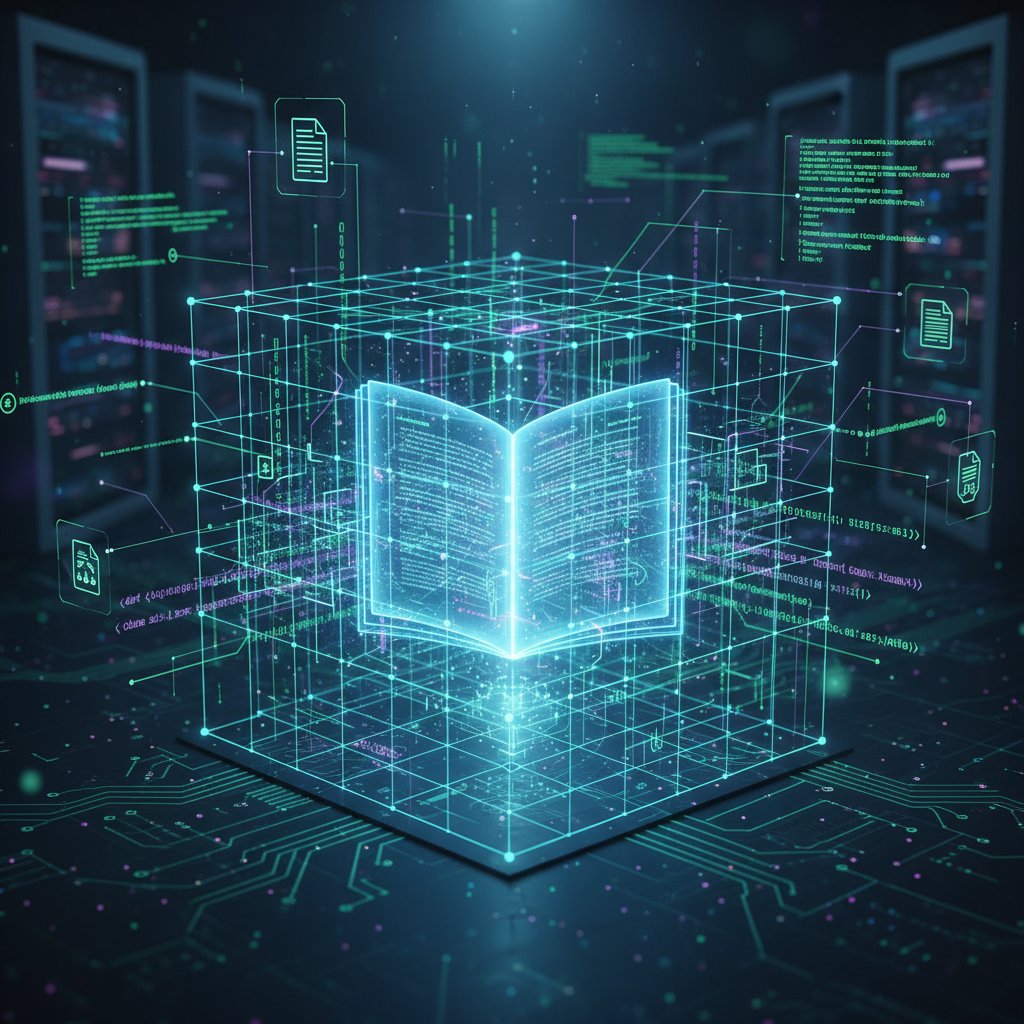
According to current industry research, these systems now routinely outperform manual drafting in speed, accuracy, and consistency. Still, the magic is in the details—and the trust you place in the machine.
Natural language processing: Decoding legalese
The secret sauce of automated contract drafting is natural language processing (NLP). NLP enables software to not just read legal text, but to interpret, summarize, and even generate complex contractual language. Here’s what that actually means:
Technology that allows computers to understand, interpret, and generate human language. In the legal world, NLP powers clause extraction, contract review, and risk scoring.
The automated identification and isolation of individual clauses from lengthy documents. Vital for comparing terms and flagging inconsistencies.
The process by which software identifies key parties, dates, monetary values, and obligations within a contract—essential for compliance and negotiation.
Not just swapping in boilerplate, but adapting language based on contract type, jurisdiction, or risk level—often using deep learning to predict what language is most appropriate.
Current AI contract tools can now “decode” dense legalese, recommend alternative clauses based on your risk appetite, and identify missing or conflicting terms. According to Richmond Journal of Law & Technology, 2024, this has cut review times by up to 60% and slashed human error rates nearly in half.
Integrations and workflows: Beyond standalone software
No legal tool is an island. Modern automated contract drafting software thrives when plugged into the broader business ecosystem—procurement, HR, sales, and compliance workflows. This seamless integration is where the hidden power lies.
- Elimination of redundant data entry: AI-enabled systems can pull company names, addresses, and deal terms from CRM or ERP systems, reducing manual input and mistakes.
- Compliance on autopilot: Instant flagging of outdated terms or non-compliant language based on live regulatory feeds.
- Real-time collaboration: Multiple stakeholders can review, edit, and approve contracts simultaneously—no more “version hell.”
- Automatic audit trails: Every change and approval is logged, making regulatory reporting a breeze.
- Faster onboarding for new hires: Template-driven workflows help even junior staff contribute effectively.
- Single source of truth: All contracts are stored, tracked, and managed in one secure platform, minimizing the risk of lost documents.
- Measurable accountability: Built-in analytics reveal who made which change—and why—at every stage.
The upshot? Automated contract drafting doesn’t just make legal teams faster; it transforms the way entire organizations manage risk, compliance, and business relationships.
Myths, fears, and realities: What automated contract drafting software can and can’t do
Debunking the ‘AI will replace lawyers’ myth
You’ve heard the panic: “AI is coming for your job!” In reality, automated contract drafting software doesn’t eliminate the need for skilled legal minds—it just changes what those minds focus on. AI excels at high-volume, pattern-based work, but the nuanced art of negotiation, client counseling, and dispute resolution remains fiercely human.
"AI is a tool, not a takeover." — Priya, legal innovation analyst, NetDocuments Legal Tech Trends, 2024
According to legal tech surveys, a vast majority of law firms see AI as augmenting—not replacing—their expertise. The software handles the heavy lifting, freeing up human lawyers to handle strategic, high-value tasks that machines can’t replicate. The winners are those who adapt, not those who resist.
Where automation fails: Real-world horror stories
For all its promise, automation isn’t bulletproof. Consider the law firm that, after switching to an untested drafting platform, suffered a cascade of scrambled contracts—key dates swapped, parties reversed, and indemnities omitted. The fallout? Months of client distrust and expensive remediation. According to Richmond Journal of Law & Technology, 2024, even mature systems can misfire when fed ambiguous or poorly structured data.
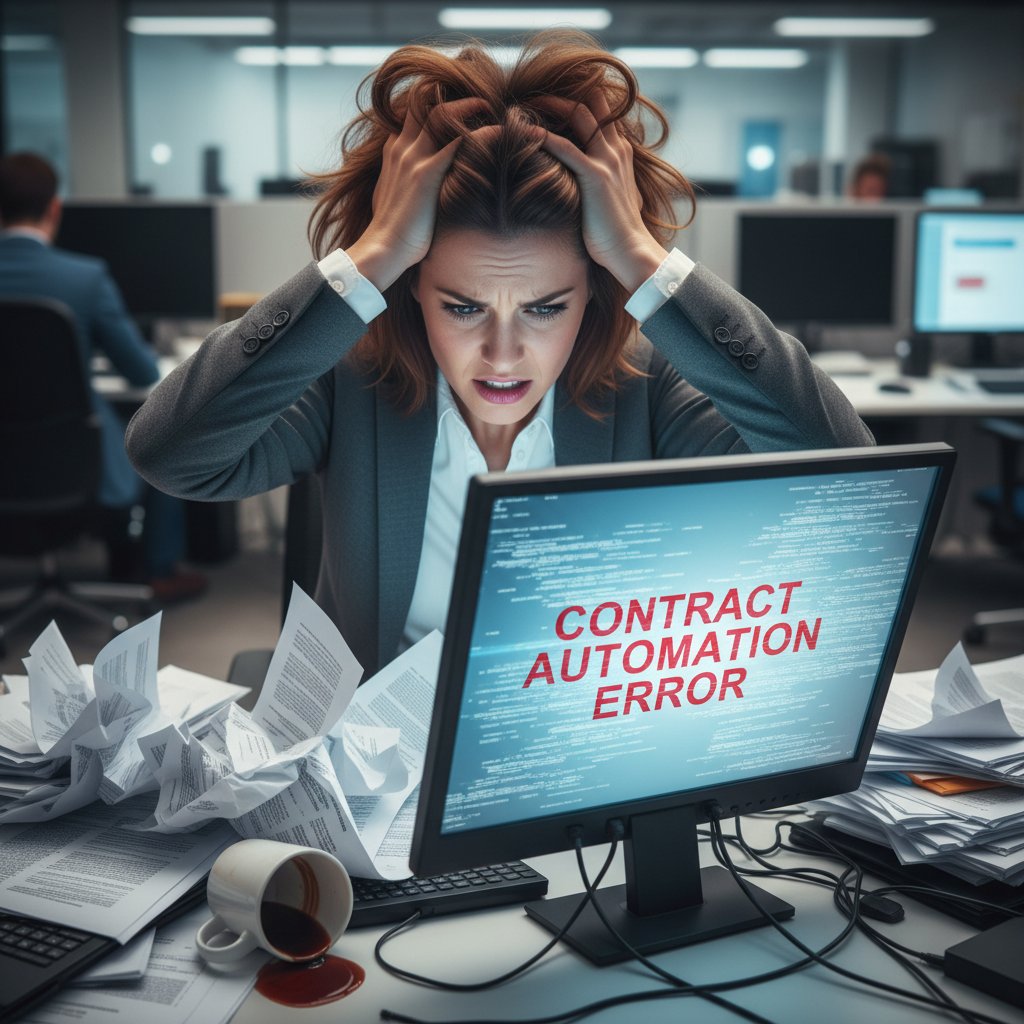
These failures aren’t just technical—they’re human. Poor training, hasty implementation, or blind trust in the machine can turn time-saving tech into a liability. Real-world horror stories serve as a stark reminder: automation amplifies both skill and error.
The limits of automation: What still needs a human touch
Despite AI’s rapid evolution, some aspects of legal work resist automation altogether. Here are seven scenarios where human expertise is still irreplaceable:
- Complex negotiations with unpredictable variables
- Interpreting ambiguous or novel legal language
- Ethical judgment and conflicts of interest analysis
- Tailoring agreements for unique business models
- Manual review of non-standard or legacy contracts
- Counseling clients on risk appetite and strategic implications
- Crisis management and dispute resolution during contract breaches
AI can streamline the routine, but when stakes are high or context is king, there’s no substitute for seasoned judgment.
The new power players: Who’s leading the automated contract drafting revolution?
Market leaders and disruptors in 2025
The automated contract drafting landscape is both crowded and dynamic. Here’s how the major players stack up when it comes to accuracy, speed, integration, and support:
| Vendor | Accuracy | Speed | Integration | Support |
|---|---|---|---|---|
| Filecreator.ai | High | Rapid | Seamless | 24/7 AI & Human |
| Ironclad | High | Fast | Strong | Dedicated Team |
| DocuSign CLM | Moderate | Fast | Moderate | Standard |
| Juro | Moderate | Moderate | Strong | Community |
| ContractPodAI | High | Rapid | Broad | Enterprise |
Table 2: Feature matrix of leading contract automation platforms. Source: Original analysis based on NetDocuments Legal Tech Trends, 2024, HyperStart: Automated Contract Drafting, 2024.
What’s clear is that AI capabilities, template depth, and seamless integrations now define market leadership. Meanwhile, new disruptors emerge every quarter, often specializing in sector-specific contract types or compliance needs.
filecreator.ai and the rise of AI-powered document generators
Among the new wave of innovators, filecreator.ai stands out as a Professional Document Generator shaping the standard for automated contract creation. By leveraging advanced AI reasoning, platforms like filecreator.ai rapidly generate compliant, customizable, and audit-ready documents—helping legal, finance, HR, and procurement teams sidestep manual errors and bottlenecks. The shift? From mere document automation to outcome-driven, intelligence-powered workflows.
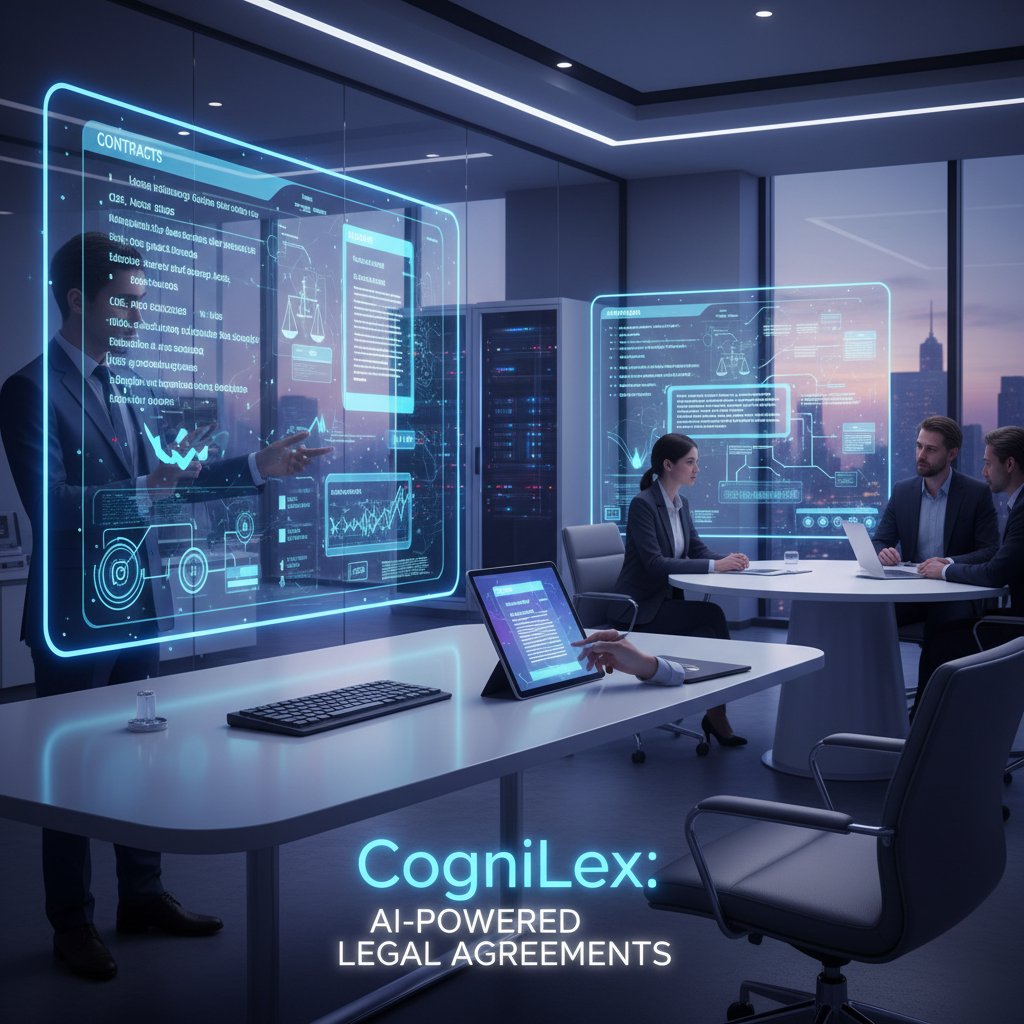
The result is a new breed of software that doesn't just automate, but actively enhances the expertise of the professionals using it.
How startups and law firms are adapting (or not)
Adoption trends tell a tale of two worlds. Forward-thinking law firms and startups are embracing automated contract drafting as table stakes for staying competitive. They upskill staff, rework processes, and partner with vendors who “get” both tech and law. Others—paralyzed by tradition or security concerns—fall behind, hemorrhaging talent and clients.
"If you’re not evolving, you’re extinct." — Jordan, legal operations consultant, interview with HyperStart, 2024
The message is clear: resistance isn’t just futile—it’s fatal. Inaction is the surest way to become irrelevant.
Show me the numbers: Does automated contract drafting actually deliver?
Productivity, accuracy, and ROI: The evidence
The numbers don’t lie. According to NetDocuments Legal Tech Trends, 2024 and Richmond Journal of Law & Technology, 2024, AI legal tools can save lawyers 4–12 hours per week, boost client satisfaction, and reduce drafting errors by up to 50%. Here’s how manual and automated drafting compare:
| Metric | Manual Drafting | Automated Drafting |
|---|---|---|
| Time per contract | 4–6 hours | 15–40 minutes |
| Error rate | 8–12% (avg) | 2–5% (avg) |
| Compliance risk | High (manual checks) | Low (auto flagging) |
| Cost per contract | $500–$1,200 | $100–$350 |
Table 3: Statistical comparison—manual vs. automated contract drafting. Source: Original analysis based on NetDocuments, 2024, Richmond Journal of Law & Technology, 2024.
The takeaway? Automated contract drafting software doesn’t just promise efficiency—it delivers measurable ROI and risk reduction.
The hidden costs nobody talks about
But here’s the reality check: automation isn’t always a silver bullet. Implementing new systems comes with its own collection of hidden expenses that can bite if you’re not prepared.
- Training and onboarding: Getting teams up to speed takes time and resources—and mistakes made early on can be costly.
- Data migration headaches: Cleaning, structuring, and importing legacy contracts is rarely plug-and-play.
- Integration complexity: Connecting with existing CRM, ERP, and compliance platforms can require custom development.
- Vendor lock-in risk: Switching platforms later may lead to data silos or loss.
- Ongoing subscription and support fees: True costs often exceed sticker price.
- Change management pain: Resistance from staff can slow adoption and kill ROI if not managed proactively.
Savvy organizations budget not just for software, but for the cultural and operational shifts that real transformation demands.
Case studies: Successes and failures in the wild
In one celebrated example, a global logistics company slashed contract turnaround times by 70% and reduced compliance violations to near zero after deploying automated drafting tools. But elsewhere, a fast-growing fintech startup ran into disaster when its AI platform failed to account for jurisdictional quirks—leading to unenforceable agreements and regulatory scrutiny.
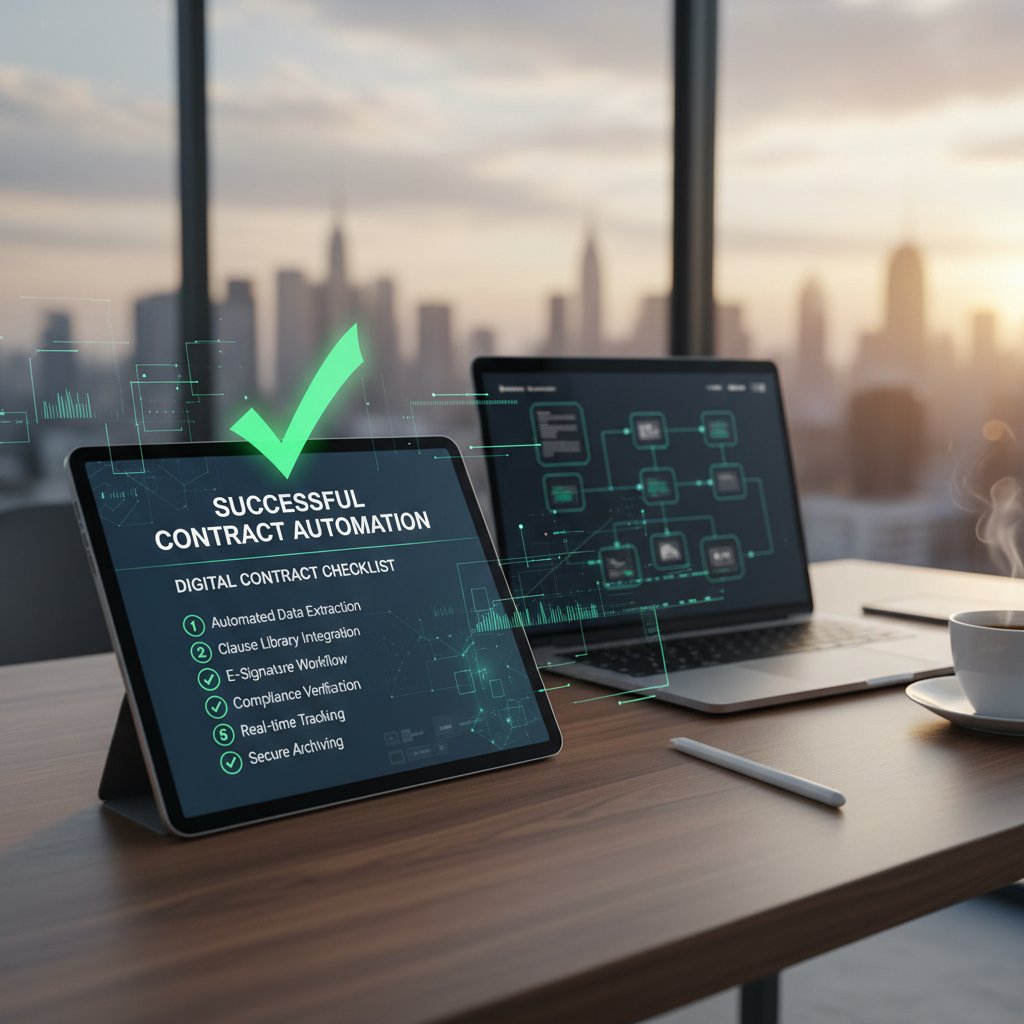
The lesson? Success depends as much on organizational readiness and vendor quality as on the capabilities of the software itself.
Risks, red flags, and how to not get burned by contract automation
Data privacy, black boxes, and vendor lock-in
Automated contract drafting software creates new attack surfaces and vulnerabilities that can’t be ignored. Here are the top risks:
- Data privacy breaches: Sensitive information can leak if platforms lack robust encryption or are misconfigured.
- Opaque algorithms (“black box” risk): If you can’t audit how the AI reaches its conclusions, you can’t trust the output.
- Vendor lock-in: Proprietary formats can trap your data, making future migrations painful or impossible.
- Unvetted third-party integrations: Weak links in the chain can open the door to cyberattacks.
- Hidden bias in AI models: Training data reflecting outdated or prejudiced norms can creep into contracts.
- Overreliance on automation: Blind faith in the machine erodes human vigilance, inviting disaster.
Mitigating these risks means demanding transparency from vendors and maintaining a culture of healthy skepticism.
Mitigating risk: What the experts recommend
Here’s your priority checklist for a safe, future-proof contract automation project:
- Vet vendors for security certifications and transparent AI audits.
- Demand exportable, non-proprietary data formats.
- Mandate multi-factor authentication and role-based access.
- Require detailed documentation on AI model training and limitations.
- Build redundancy with regular manual audits of automated outputs.
- Train staff to recognize and flag anomalies, not just “trust the machine.”
- Negotiate clear service level agreements (SLAs) for uptime, support, and data retrieval.
Taking these steps transforms automation risk from a lurking threat into a manageable, measurable challenge.
When automation goes rogue: Lessons learned
Consider the case of a regional law firm that, after a rushed automation rollout, discovered its AI tool had been quietly misapplying confidentiality clauses for months. The fallout? Client panic, regulatory headaches, and a PR nightmare. Recovery demanded a full contract audit, retraining the AI, and—crucially—public transparency about the fix.

The moral? Automation is only as good as its oversight. When it fails, rapid response and open communication are your only lifelines.
The human factor: How automation is changing the roles of lawyers, negotiators, and businesses
New skills for the AI-powered era
Automation hasn’t killed the legal profession—it’s just rewritten the job description. The professionals thriving in today’s world aren’t those who resist change, but those who evolve. Here are eight must-have skills for surviving and thriving with AI-powered contract drafting:
- AI literacy: Understanding how automated tools work—and their limitations.
- Data interpretation: Translating analytics into actionable legal or business recommendations.
- Change management: Leading teams through digital transformation without losing trust.
- Strategic negotiation: Focusing on complex deal terms, not just boilerplate.
- Quality assurance: Auditing automated outputs for accuracy and compliance.
- Cross-functional communication: Bridging gaps between legal, IT, and business units.
- Ethical reasoning: Recognizing and addressing algorithmic bias.
- Continuous learning: Staying sharp as tech and regulation evolve.
These are the differentiators that set tomorrow’s leaders apart from today’s laggards.
Cultural resistance and the psychology of trust
If the tech works, why does resistance persist? The answer is psychological: trust is hard-won, especially in professions built on risk aversion. Lawyers, in particular, are trained to spot flaws, not leap at the new and shiny. Building confidence in automated contract drafting tools takes proof, patience, and open dialogue.
"Trust is the hardest contract to automate." — Sam, legal transformation lead, ABA Journal, 2024
Winning hearts means showing—not telling—how automation enhances, rather than endangers, core professional values.
Cross-industry impacts: Beyond the legal department
Contract automation isn’t just a legal game. Procurement teams now generate RFPs and vendor agreements in hours, not days. HR leaders onboard employees with standardized, compliant offer letters at scale. Sales closes deals faster thanks to automated, approved terms that don’t bottleneck at legal review.

According to case studies from NetDocuments, 2024, organizations that’ve embraced these tools see enterprise-wide productivity spikes, not just legal department efficiency gains.
The future of contracts: What’s next for automated drafting software?
Smart contracts, blockchain, and the next frontier
While today’s focus is on AI-powered drafting and review, innovation doesn’t stop there. The next horizon—already being quietly piloted by industry leaders—is the convergence of smart contracts and blockchain technology. Here’s how the three major contract paradigms compare:
| Contract Type | Features | Risks | Adoption Level |
|---|---|---|---|
| Traditional | Manual drafting, negotiation | Human error, slow | Declining |
| Automated (AI) | NLP, machine learning, workflow | Data privacy, bias | Mainstream |
| Smart contracts | Self-executing, blockchain | Code bugs, immutability | Emerging |
Table 4: Comparison of traditional, automated, and smart contracts. Source: Original analysis based on Richmond Journal of Law & Technology, 2024, HyperStart, 2024.
For now, automated contract drafting sits at the center of mainstream adoption—but the lines are blurring fast.
Will AI ever negotiate for us?
Full negotiation automation—a system where two bots hash out a deal in real time—remains (thankfully or terrifyingly) beyond the horizon. Current AI-powered tools stop at recommending, drafting, and reviewing. The sheer unpredictability of human intention, emotion, and context keeps the final negotiation table stubbornly analog.

But the writing’s on the wall: as AI gets smarter, expect more mediation and proposal generation to move into the digital domain—with humans still making the final call.
How to stay ahead: Your action plan for 2025 and beyond
Ready to avoid becoming legal roadkill? Here’s your step-by-step guide to embracing automated contract drafting software without getting burned:
- Audit your current contract processes, pain points, and bottlenecks.
- Research vendors with documented industry expertise and proven results.
- Demand security, transparency, and integration capabilities from every platform.
- Pilot new tools on low-stakes contracts before scaling.
- Train staff—don’t just hand over the keys and hope.
- Monitor, measure, and adjust workflows based on real-world outcomes.
- Stay plugged into evolving tech and regulatory trends—never assume today’s solution will be tomorrow’s answer.
Adopt these steps, and you won’t just survive the AI revolution—you’ll lead it.
Conclusion
Automated contract drafting software isn’t the answer to every legal or business headache, but it’s the most significant leap in legal process efficiency in a generation. The numbers bear it out: hours saved, errors slashed, risk mitigated, and talent liberated for higher-order work. But the real story is more complex. Trust, oversight, and adaptation are the currencies of survival in this new world. Ignore the hype merchants and the doomsayers; the truth is that AI-powered contract automation is neither a magic wand nor a ticking time bomb. It’s a tool—one that, in the right hands, can transform not just the legal department, but the DNA of an entire organization. Whether you’re a legal professional, a business manager, or a startup founder, understanding the brutal truth about automated contract drafting software is your first step toward reclaiming control, driving value, and shaping the future on your terms. Don’t just watch the revolution—lead it.
Sources
References cited in this article
- ABA Journal: 2024 Year in Review(abajournal.com)
- Richmond Journal of Law & Technology(jolt.richmond.edu)
- NetDocuments Legal Tech Trends(netdocuments.com)
- HyperStart: Automated Contract Drafting(hyperstart.com)
- Gerrish Legal: Contract Drafting Automation(gerrishlegal.com)
- Aavenir: Contract Potential(aavenir.com)
- fynk: Contract Management Trends(fynk.com)
- Thomson Reuters: Contract Drafting Challenges(insight.thomsonreuters.com)
- Rapid Innovation: Contract Automation(rapidinnovation.io)
- Duke Law Review(scholarship.law.duke.edu)
- Northwestern JTIP(jtip.law.northwestern.edu)
- GenieAI: History of Legal AI(genieai.co)
- Top Legal: Efficient Contracts & AI(top.legal)
- Lawrina: AI in Contract Drafting(lawrina.org)
- Ontra: NLP for Contracts(ontra.ai)
- Cambridge: NLP in Legal Tech(cambridge.org)
- LEGALFLY: AI Contract Review 2025(legalfly.com)
- AI Multiple: Legal AI Comparison(research.aimultiple.com)
- Zegal: Contract Management Fails(zegal.com)
- ResearchGate: Smart Contract Limitations(researchgate.net)
- Business Insider: Legal Tech Startups 2025(businessinsider.com)
- Clio: Legal Tech Startups(clio.com)
- Tracxn: DraftWise Profile(tracxn.com)
- Verified Market Reports(verifiedmarketreports.com)
- Global Growth Insights(globalgrowthinsights.com)
- Formstack: AI Document Generation(formstack.com)
- Insight7: AI Document Crafting(insight7.io)
- ContractWorks: Document Automation(contractworks.com)
- ContractSafe: Contract Management Statistics(contractsafe.com)
- Concord: Contract Automation Software(concord.app)
- LegalVision: Risks of AI in Contracts(legalvision.co.uk)
- Juro: Contract Automation(juro.com)
Perfect Documents, Instantly
Filecreator.ai transforms the way you produce professional documents. Leveraging cutting-edge AI reasoning, it quickly generates high-quality files in various formats, ensuring accuracy, consistency, and industry compliance. Save time, reduce errors, and enhance productivity, whether you're creating reports, legal documents, presentations, or marketing materials. Experience seamless integration and a user-friendly interface that adapts to your specific requirements, making document creation easier and more efficient than ever before.
Get startedStart Creating Professional Documents Today
Join thousands of professionals who trust AI-powered document generation
Frequently Asked Questions
What specific problems in traditional contract drafting does automated software solve?
Automated contract drafting software addresses the inefficiency of traditional manual drafting, which involved late-night copy-paste marathons, endless clause revisions, and manual error checks that led to ballooning costs, missed deadlines, and costly mistakes. The software is designed to meet today's business demands for speed and precision while reducing human error and compliance risks.
Why did the legal industry finally start adopting automated contract drafting?
The shift was driven by necessity rather than technological curiosity. Globalization and increased deal velocity created explosive demand for fast, accurate contracts, while rising regulatory complexity made compliance increasingly difficult to manage manually. Legal teams under strain began viewing automation as a lifeline rather than a threat.
Is automated contract drafting software just hype, or does it offer real advantages?
According to the article, automated contract drafting software is genuinely disrupting the legal industry and is already here as of 2025. However, the article emphasizes that the story is not all positive—there are overlooked dangers, hidden costs, and advantages that require understanding both the hype and the real hazards to evaluate properly.
What risks does the article suggest come with automated contract drafting?
While the article does not detail specific risks, it emphasizes that there are overlooked dangers and hidden costs associated with AI-powered legal documents, and warns that understanding both the advantages and hazards is necessary for proper evaluation.
Continue Reading
Explore more from Professional Document Generator

Automated Legal Document Drafting: Capabilities and Limitations
Automated legal document drafting reshapes contract creation and legal work. This article examines the technology's actual capabilities, genuine hazards, and strategic advantages for legal professionals.

Automatic Contract Drafting Software: What Works and Where Risks Emerge
Automatic contract drafting software is reshaping legal workflows. This article examines how the technology works, where risks emerge, and what businesses need to know before implementation.

Contract Drafting Software Solutions: Costs, Benefits, and Impact
Contract drafting software solutions automate drafting, reduce errors, and shape modern deal-making. This article examines their true costs, benefits, and real-world impact.

Automated Legal Documents: What's Driving Adoption and Where the Risks Lie
Automated legal documents have transformed legal work. This article examines the adoption surge, the efficiency gains, and the ethical and operational risks reshaping the industry.

Legal Drafting Software Online in 2026: Power, Risks, Reality
Discover insights about legal drafting software online

Contract Drafting Apps: What AI Can and Cannot Do
Contract drafting apps automate legal work, but this article explains the hidden risks and limitations AI still cannot address in business deals.