

The Smart Creator’s Alternative to Professional Design Firms
Written with AI assistance under our editorial guidelines
Startups, independent creators, and AI-powered tools are disrupting traditional design agencies by delivering professional-quality results at significantly lower costs. Platforms like Upwork and Fiverr saw a 25% increase in design projects, eroding agencies' market share. This shift reflects growing demand for more agile, affordable, and technology-driven alternatives to expensive, traditional design firms.
What does it really mean to go against the grain in the world of design? The phrase “alternative to professional design firms” isn’t just a clever hook—it’s a seismic shift shaking the foundations of an industry built on glossy portfolios and intimidating agency invoices. It’s the story of how scrappy startups, independent creators, and AI-powered upstarts are hijacking the agency playbook and rewriting the rules for everyone. In this deep-dive, you’ll get inside the radical alternatives that are stealing thunder from design agencies, delivering world-class results at a fraction of the cost, and sometimes—let’s be honest—leaving traditional firms scrambling to justify their existence. Backed by current statistics and real-world examples, this isn’t another fluffy “freelance vs. agency” comparison. This is a no-nonsense roadmap to the most disruptive, effective strategies for brands and individuals who refuse to settle for overpriced mediocrity. If you’re ready to question the status quo and make smarter choices for your brand, start here.
Why the world is turning away from traditional design firms
The rise and fall of the design agency model
There was a time when professional design firms were the undisputed kings of creativity. Large, open-plan offices, espresso machines, and a lineup of awards on the wall signaled their dominance. Brands lined up to pay a premium for their expertise and access to top-tier talent. But as the digital age exploded and the gig economy took hold, cracks started to show in the agency façade. According to recent research from Markzware, 2024, while agencies still control a significant slice of high-budget work, their market share is being chipped away by more agile, affordable, and tech-driven solutions. Upwork and Fiverr, for instance, reported a staggering 25% increase in design projects last year, putting unprecedented pressure on legacy agencies.
| Era/Model | Dominant Players | Common Pricing | Typical Turnaround | Share of Design Spend |
|---|---|---|---|---|
| 2000s–2010s Agencies | Big-name design firms | $10,000+ per project | 2–8 weeks | ~70% |
| 2020s Freelance/Gig | Upwork, Fiverr, 99designs | $20–$150/hr | 1–10 days | ~35% (and rising) |
| 2020s AI/Platforms | Canva, filecreator.ai, Figma | $0–$100/mo | Instant–24 hours | ~25%+ |
Table 1: Shifts in design industry models and market share.
Source: Markzware, 2024
The numbers don’t lie: the era of the untouchable firm has passed. Now, nimble alternatives are eating away at every layer of the design cake.
Unmasking the pain points: cost, speed, and creative control
Why are so many brands and creators turning their backs on traditional agencies? The answer is brutally simple: the old model often fails where it matters most.
- Prohibitive costs: Agency retainers can drain budgets quickly, often pricing out startups and smaller brands. According to current data, even a small-scale agency project can run into thousands of dollars before revisions are factored in.
- Lagging timelines: Classic agency processes are notorious for endless meetings and revisions. In contrast, platforms like filecreator.ai or freelance marketplaces can deliver finished work in hours or days, not weeks.
- Opaque processes: Agencies often operate behind a velvet curtain, leaving clients guessing about who is actually handling their project and how decisions are made.
- Limited creative input: Many clients complain about losing creative control, forced to fit the agency’s “house style” instead of shaping the project to their vision.
- Contractual rigidity: Long-term contracts and hefty exit clauses can suffocate agility, locking brands into relationships that feel more like handcuffs than partnerships.
When budgets are tight and time is of the essence, these pain points become intolerable. The search for an alternative to professional design firms becomes not just desirable—but necessary.
The new demands of modern brands and startups
Modern brands don’t have the luxury of slow, overpriced, or cookie-cutter design. They demand authenticity, speed, flexibility, and the ability to adapt to constantly shifting trends. According to the AIA Firm Survey Report 2024, 50% of users judge brands by their website design alone, while 73% of web designers claim that non-responsive design sends visitors running. As a result, the pressure is on for faster, more tailored solutions that still deliver top-tier quality.
"AI continues to evolve, challenging the design community to ensure human creativity and AI innovation work in synergy." — Sketchboat, 2024
What counts as an 'alternative' to professional design firms in 2025?
From creative collectives to AI-powered platforms
So what exactly qualifies as an “alternative” to a traditional design firm? The term covers a diverse—and sometimes surprising—range of options that include everything from global freelance collectives to AI-fueled design apps.
A group of independent designers, often collaborating virtually, offering agency-level talent without the overhead and bureaucracy. Think of it as an “agency without walls or bosses.”
Software or web-based tools (like Canva or filecreator.ai) that automate complex design processes, letting users generate professional-grade materials in minutes.
Massive online platforms (such as Upwork, Fiverr, 99designs) that connect clients with design talent globally, often with transparent pricing and rapid turnaround.
Firms like Modsy or Havenly provide virtual interior and graphic design services, often blending AI with human expertise.
Platforms that stage competitions or open calls, letting multiple designers submit ideas and the client picks the best. Great for variety, but sometimes a “luck of the draw.”
Platforms like Figma now allow even non-designers to collaborate on high-quality UI/UX projects directly.
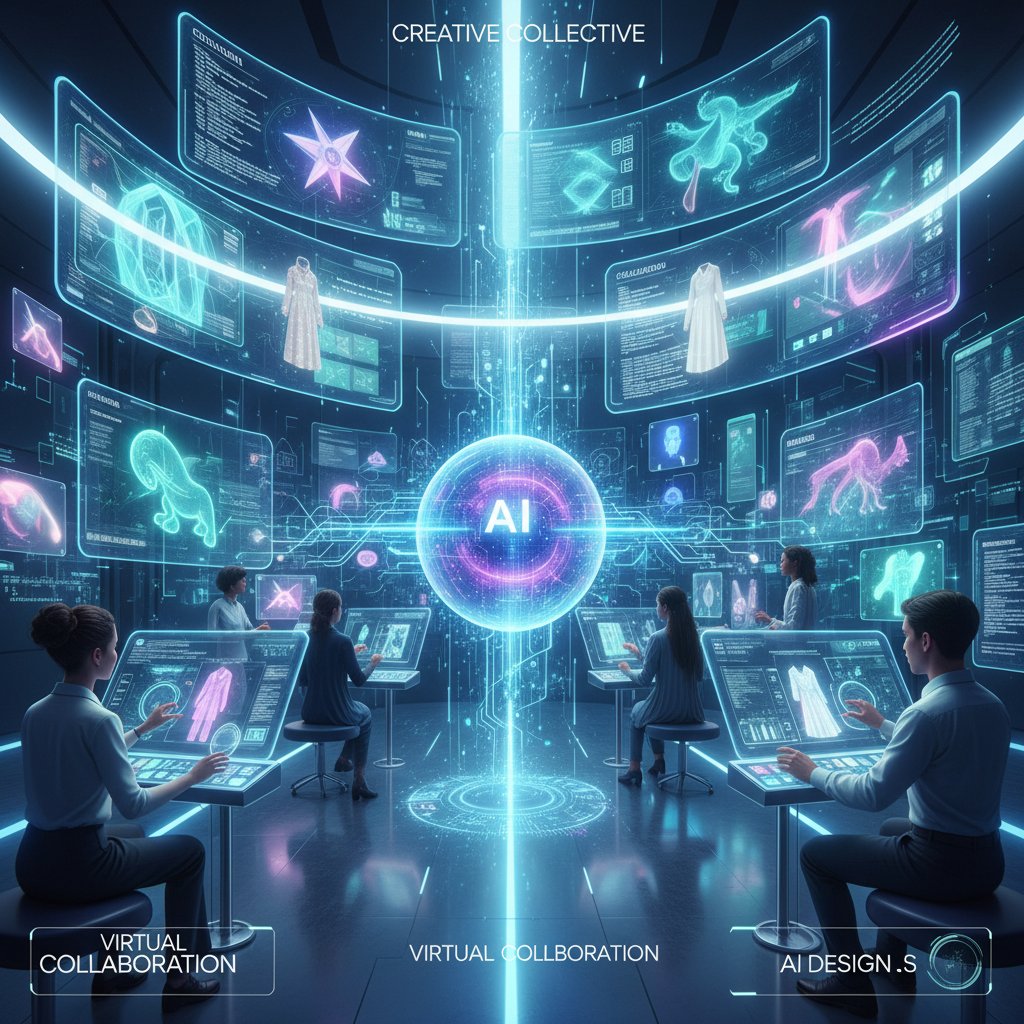
This new ecosystem isn’t just a re-skin of old models—it’s a radical rethinking of how design is sourced, delivered, and valued.
Freelance marketplaces: a blessing or a gamble?
Freelance marketplaces promise the world—global talent on tap, competitive prices, and reviews to guide your choices. Yet, they’re not without pitfalls. Here’s how the game plays out for most brands:
- Post a project: You upload your brief and budget. Within minutes, dozens—sometimes hundreds—of freelancers pitch their services.
- Sort the flood: Ratings help, but the sheer volume can be overwhelming. Quality can vary wildly.
- Negotiate terms: Setting expectations, timelines, and revisions is crucial.
- Review and iterate: You may strike gold—or hit a wall of communication breakdowns and missed deadlines.
- Payment and follow-up: Most platforms offer escrow and dispute resolution, but it’s not foolproof.
"For every design unicorn, there are a dozen amateurs. The real skill is learning to separate the two—and fast." — Anonymous brand manager, via G2, 2025
The impact of remote work and global collaboration
Remote work didn’t just change where we work—it rewired how design happens. With platforms like Figma experiencing a 40% surge in users and Dribbble Pro membership climbing 35% in 2024, the global design village isn’t just a headline; it’s daily reality. Teams in six time zones can sketch, iterate, and launch products in a fraction of the time it once took.
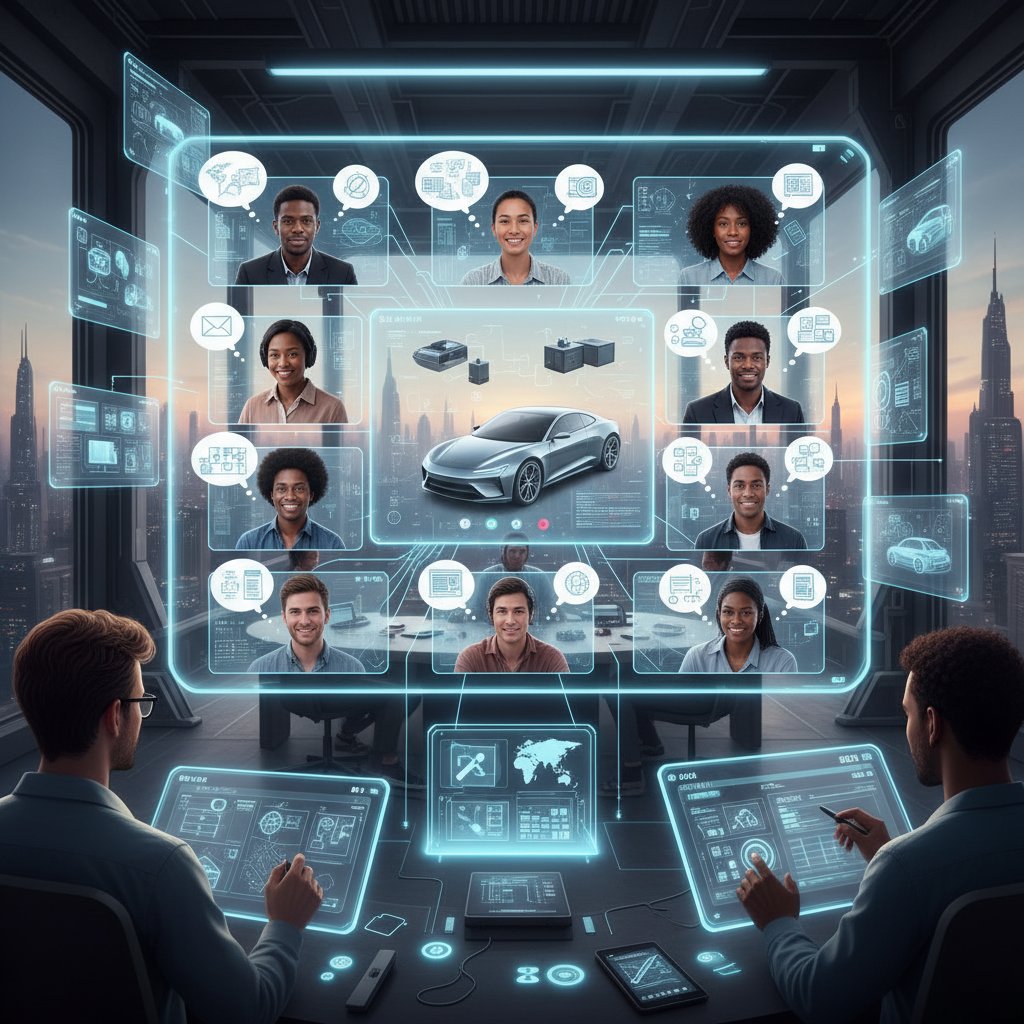
The upshot: creative talent is now borderless. This not only brings cost savings but introduces fresh perspectives previously locked out by geography or gatekeeping.
The edgy newcomers: AI-driven design and automation
How AI is rewriting the rules of creativity
No conversation about alternatives is complete without acknowledging the AI elephant in the creative room. Canva’s 100 million monthly users and filecreator.ai’s growing influence are evidence enough—AI isn’t just a sidekick anymore. It’s a genuine creative partner, able to churn out proposals, logos, templates, and even entire brand packages in minutes.

According to Sketchboat, 2024, 60% of small businesses now use AI-powered tools for at least part of their marketing materials. The result? Faster turnaround, lower costs, and an explosion of experimentation.
Can AI really replace a design firm? Debunking myths
Skeptics argue that tools like filecreator.ai or Canva can’t replicate the magic of a seasoned creative director. But let’s examine the facts.
| Feature | AI/Automated Tools | Traditional Firms | Freelance Marketplaces |
|---|---|---|---|
| Speed | Seconds–Minutes | Days–Weeks | Hours–Days |
| Cost | <$100/project | $1,000–$10,000+ | $50–$2,000+ |
| Consistency | High (template-driven) | Variable (depends on team) | Wildly variable |
| Customization Depth | Growing (via prompts) | Deep—unlimited | Depends on freelancer |
| Human Touch | Limited (but rising) | Strong | Variable |
| Revision Flexibility | Instant | Sometimes slow | Negotiable |
Table 2: Comparative strengths and weaknesses across design alternatives.
Source: Original analysis based on Markzware, 2024 and G2, 2025
"The real revolution isn’t just in speed or price—it’s in democratizing access to quality design tools once locked behind agency doors." — Industry trend summary, based on G2, 2025
filecreator.ai and the new era of instant professional documents
Platforms like filecreator.ai are at the heart of this disruption. Rather than just pumping out generic templates, these platforms leverage advanced AI reasoning to generate documents that actually align with industry standards, compliance protocols, and brand requirements.
- Instant document generation: Reports, contracts, presentations, and technical manuals at the click of a button.
- Consistent quality: AI-driven oversight reduces human error and maintains formatting integrity.
- Cost efficiency: Huge reduction in overhead compared to hiring agencies or consultants.
- Customizability: Professionally designed templates adaptable for any industry or unique need.
- Multi-format support: Seamless conversion between PDF, DOCX, PPTX, and more.
For businesses craving both speed and professionalism, filecreator.ai represents a quantum leap forward—a living, breathing example of how nontraditional tools are raising the bar.
Real-world stories: brands and creators who broke the mold
How a global startup ditched agencies and thrived
In 2023, a fintech startup faced the classic dilemma: an urgent need for marketing collateral and branding, but zero appetite for agency markups. They leveraged a combination of Dribbble connections, Figma for UI/UX, and filecreator.ai for polished documentation, slashing turnaround time from weeks to 48 hours. The result? A brand launch that wowed investors and customers alike.
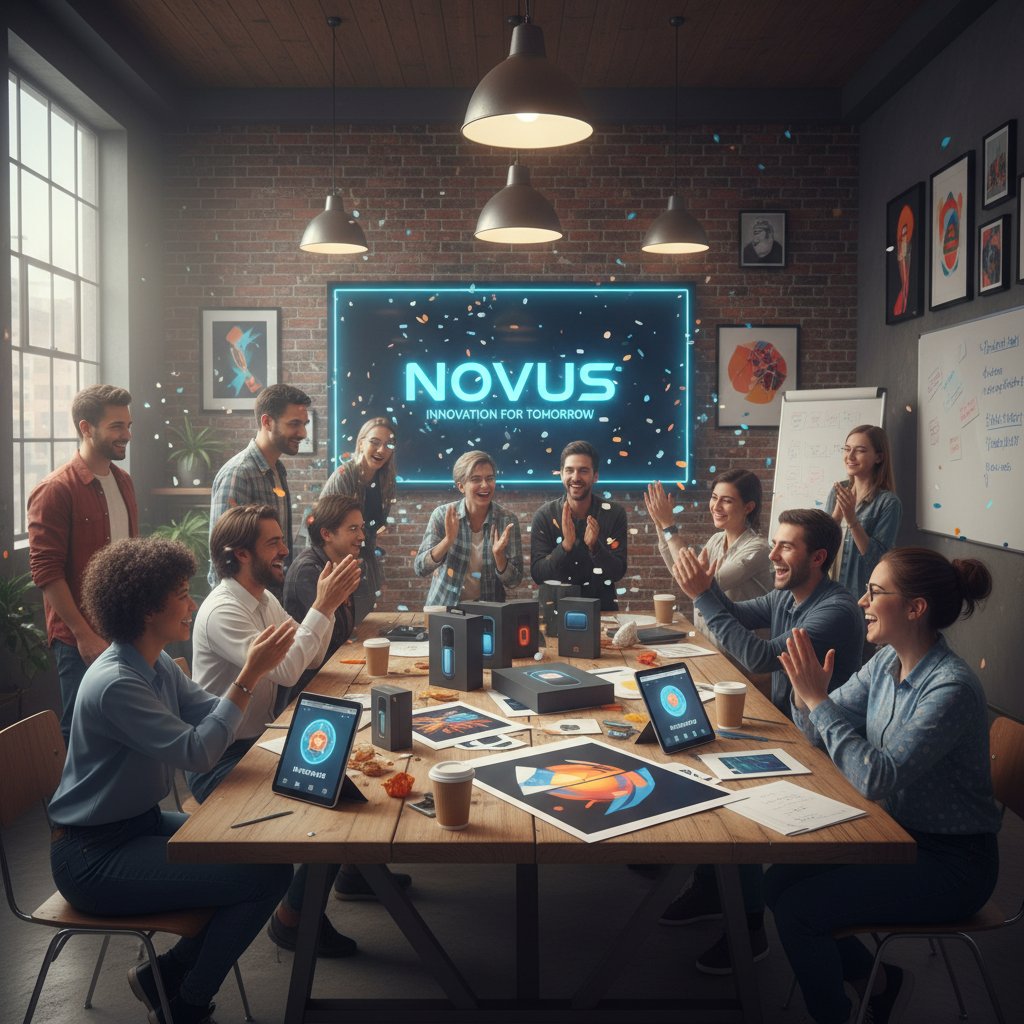
"We stopped waiting for the agency email cycle and took control. The difference in speed and ownership was night and day." — Startup founder, anonymous case study
Nonprofits, NGOs, and the power of crowdsourced design
Nonprofits and mission-driven orgs have long struggled to compete with big-brand design budgets. Now, crowdsourced platforms like 99designs and Creative Market are rewriting the rules.
- Launch a design contest: Nonprofits post their brief and budget, inviting global creatives to pitch solutions.
- Curate submissions: Dozens—sometimes hundreds—of designs flow in, providing variety and fresh perspectives.
- Select and iterate: The best concepts are refined through real-time feedback.
- Pay only for what you love: No agency retainers, no sunk costs—just results.
- Reuse and remix: Purchased assets can be adapted and remixed for future campaigns, multiplying ROI.
This approach doesn’t just reduce costs; it empowers organizations to tap into a diverse pool of talent often overlooked by traditional agencies.
When alternatives go wrong: cautionary tales
Not every story ends in a creative utopia. There are pitfalls—sometimes costly ones—when going nontraditional.

| Failure Mode | Common Cause | Impact |
|---|---|---|
| Inconsistent quality | Unvetted freelancers | Brand dilution, lost trust |
| Missed deadlines | Remote/untested teams | Project delays |
| IP/legal disputes | Poor contracts, crowdsourcing | Ownership chaos |
Table 3: Common risks associated with design firm alternatives.
Source: Original analysis based on case studies and Houzz, 2024
The lesson? Disruption isn’t without risk. Due diligence is non-negotiable.
Controversies, risks, and the fine print: what they won’t tell you
Quality, consistency, and the myth of 'you get what you pay for'
It’s easy to dismiss alternatives as “cheap and cheerful”—a narrative often spun by agencies themselves. But current data shows a more nuanced reality.
- Quality is everywhere and nowhere: High-quality design can emerge from a $50 freelancer or be absent in a $5,000 agency proposal. The key is vetting and clear briefs.
- Consistency challenges: When working with multiple freelancers or platforms, maintaining brand consistency requires strong guidelines and centralized oversight.
- You don’t always get what you pay for: The price tag is no guarantee of skill or dedication. In fact, some of the most innovative work now comes from hybrid teams leveraging low-cost AI tools.
Legal, ethical, and IP pitfalls
Design is intellectual property, and shortcuts can create minefields.
If you don’t own the rights to what you paid for—especially in crowdsourced or gig settings—you risk expensive disputes.
Laws around AI-created assets are murky. Is your design truly “original”? Can a competitor re-use similar assets from the same platform?
Some alternatives rely on derivative or plagiarized content. Always demand proof of originality and review the source’s reputation.

How to vet and protect yourself with alternatives
Navigating the new landscape means being vigilant, strategic, and sometimes a bit ruthless.
- Demand portfolios and references: Don’t take reviews at face value—dig deeper.
- Use escrow and staged payments: Protect your investment by releasing funds only when milestones are met.
- Clarify IP rights in writing: Never assume; always document what you’re getting.
- Leverage contracts, even for micro-projects: Simple agreements prevent headaches later.
- Test with small projects before committing big budgets: Evaluate performance on low-risk tasks.
"Transparency and documentation are your best friends in a world moving faster than the law can keep up." — Extracted from G2, 2025
How to choose the right alternative for your needs
Step-by-step guide: making the switch confidently
- Assess your real needs: Define what “professional” means for your brand—speed, cost, customization, or all of the above.
- Evaluate internal capabilities: Do you have in-house talent, or will you rely entirely on external resources?
- Shortlist alternatives: Compare creative collectives, AI tools, and freelance marketplaces based on your criteria.
- Pilot and test: Assign a low-stakes project to each option and evaluate results against your expectations.
- Check legal and compliance factors: Especially for industries with strict requirements—don’t skip this.
- Standardize workflows: Use platforms like filecreator.ai to create templates and processes that ensure consistency.
- Monitor, review, and refine: Continuously assess outcomes, costs, and satisfaction, and adjust as needed.
Checklist: Is an alternative right for you?
- You need rapid turnaround for multiple small projects.
- Your budget is limited but you still demand quality.
- You crave more creative control and direct communication.
- You’re comfortable managing remote teams or tech platforms.
- You have clear brand guidelines and workflows in place.
- You value innovation and are open to new processes.
- You’re frustrated with rigid contracts or slow agency communication.
- You wish to diversify your creative perspectives.
- You want better ROI on design spend.
- You’re ready to do your own due diligence.
Comparing costs, timelines, and outcomes
| Solution Type | Average Cost | Average Timeline | Best For | Typical Outcome |
|---|---|---|---|---|
| Design Agency | $5,000–$25,000+ | 2–8 weeks | Complex, high-stakes projects | Highly customized, slow |
| Freelance Marketplace | $50–$2,000+ | 1–10 days | One-off, varied projects | Variable, faster |
| AI/Document Generator | $0–$100/mo | Instant–24 hours | Repetitive, standards-based | Consistent, ultra-fast |
| Creative Collective | $500–$5,000+ | 2–10 days | Niche, collaborative projects | Agile, collaborative |
Table 4: Cost and timeline comparison across alternatives.
Source: Original analysis based on Markzware, 2024 and G2, 2025
Beyond price: hidden benefits of going nontraditional
Agility, innovation, and direct relationships
Alternatives to design firms aren’t just about cost-cutting—they unlock new dimensions of agility and creativity. Independent creators and smart platforms are less bound by legacy processes, more open to unorthodox ideas, and quicker to adapt when trends shift overnight.

You also get to build direct relationships with talent—no more account managers acting as go-betweens. This often leads to sharper communication, clearer expectations, and, ultimately, better work.
Unconventional uses for design firm alternatives
- Rapid prototyping of new products or campaigns without the red tape of agency bureaucracy.
- Localized content creation for global markets using remote talent who truly understand the culture.
- Internal documentation and knowledge bases built via AI generators like filecreator.ai, ensuring compliance and clarity across languages and regions.
- Crisis response materials (PR, legal docs, crisis comms) drafted instantly with AI, eliminating bottlenecks.
- Brand refreshes on tight deadlines, leveraging crowdsourced platforms for fresh perspectives.
- Long-term creative partnerships with independent collectives, ensuring consistent voice without agency overhead.
- Testing multiple creative concepts in parallel using freelance or AI solutions for real-time market feedback.
- Scaling up/down on demand as project needs fluctuate seasonally or during product launches.
Sustainability, diversity, and global reach
| Feature | Traditional Firms | Alternatives (Freelance/AI) |
|---|---|---|
| Environmental Footprint | High (offices, travel) | Low (remote, digital) |
| Talent Diversity | Limited by location | Global, multicultural |
| Social Impact | Centralized | Distributed, empowers individuals |
| Access to Emerging Markets | Slow | Instant, local knowledge |
Table 5: Comparative social and sustainability impacts.
Source: Original analysis based on AIA Firm Survey Report 2024 and Markzware, 2024
The bottom line: going nontraditional isn’t just a money move—it’s a values move.
The future of design: will professional firms survive?
Industry trends: consolidation, disruption, or extinction?
The writing’s on the wall. According to Houzz, 2024, building and design firms are bracing for continued consolidation. Many have responded by investing in their own AI tools and remote networks, but the hunger for speed, innovation, and affordability is relentless.

Traditional agencies will endure—but the power dynamic has shifted. The new vanguard is setting the pace.
Voices from the frontlines: experts weigh in
"Brands want more than pretty pictures—they crave agility, ownership, and authenticity. Alternatives are delivering all three." — Extract from Sketchboat, 2024
- Industry insiders point to the democratization of creative tech as a once-in-a-generation shakeup.
- Many agencies now offer “blended” services—retainer clients get access to both human designers and AI-generated drafts.
- The best outcomes often come from hybrid teams—AI for speed, humans for nuance.
- Brands report higher satisfaction and faster iteration when they control more of the process.
- Internal design teams are leveraging AI tools to do more with less, further squeezing agency demand.
What to watch in the next five years
- Rise of AI-enhanced creative roles: Designers who “speak AI” will outflank those who resist.
- Globalization of creative work: Borders mean less than ever as collaboration tools mature.
- Explosion of creative collectives: More indie teams will challenge the agency status quo.
- Increased scrutiny on IP and ethics: Laws and best practices will (eventually) catch up to new tech.
- Brand storytelling at the speed of culture: Only the nimblest—regardless of structure—will win.
Conclusion: redefining 'professional' in design—your next move
The lines that once defined “professional design” have been redrawn. The alternatives to professional design firms are not only viable—they’re thriving, offering a potent mix of innovation, affordability, and creative control. The old agency playbook isn’t dead, but it’s no longer the only game in town.
- Alternatives are mainstream: From AI tools like filecreator.ai to global freelance collectives, options abound.
- Quality is about process, not price tag: Rigor in selection and management yields results.
- Speed and agility trump tradition: The market rewards those who move fast and adapt.
- IP and compliance matter: Stay vigilant and document everything.
- The future is hybrid: The sharpest brands blend AI efficiency with human creativity.
Now is the moment to rethink your approach. The design world isn’t waiting for you to catch up—it’s already moved on. Whether you’re a startup, nonprofit, or established brand, the tools to break free from outdated systems are at your fingertips. Embrace the revolution, question received wisdom, and build a creative process that puts you—rather than an agency—at the center.

Sources
References cited in this article
- Markzware: Graphic Design Statistics 2024(markzware.com)
- AIA Firm Survey Report 2024(aia.org)
- Houzz: Building and Design Firms Expect Growth(houzz.com)
- Sketchboat: 2024 Design Trends(sketchboat.com)
- G2: Graphic Design Statistics 2025(learn.g2.com)
- Business Research Insights: Design Agencies Market(businessresearchinsights.com)
- Creative Boom: Agency Trends 2024(creativeboom.com)
- SketchDeck: 2024 Branding Trends(sketchdeck.com)
- Nielsen Global Sustainability Report(brandedagency.com)
- UX Studio Team: Top Design Consulting Firms(uxstudioteam.com)
- FangWallet: Best Designer Apps 2025(fangwallet.com)
- Fiverr Freelance Economic Impact Report 2024(npm-assets.fiverrcdn.com)
- Mordor Intelligence: Freelance Platforms Market(mordorintelligence.com)
- Forbes: Remote Work Statistics 2024(forbes.com)
- Pumble: Remote Work Trends(pumble.com)
- Accenture: AI-Led Processes Research(newsroom.accenture.com)
- McKinsey: State of AI 2023(mckinsey.com)
- Netguru: AI Document Analysis 2023(netguru.com)
- UPDF: AI Document Tools 2023(updf.com)
- artONest: Breaking the Mold Brands(artonest.com)
- Forbes: Breaking the Mold(forbes.com)
- Startup Genome: Global Startup Ecosystem Report 2024(startupgenome.com)
- The Clueless Company: Canva Case Study(theclueless.company)
- ThunderDungeon: Design Fails 2023(thunderdungeon.com)
- Time for Designs: Blockbuster Case Study(timefordesigns.com)
- Permutable: ESG Controversies 2023-2024(permutable.ai)
- Dezeen: Design Controversies 2023(dezeen.com)
- Myth.Ai: Design Efficiency(aihunt.app)
- Assurdly: QA Myths 2023(assurdly.com)
- Primaverse: Choosing the Right Design Agency 2025(primaverse.digital)
- DotYeti: Designer Alternatives 2025(dotyeti.com)
Perfect Documents, Instantly
Filecreator.ai transforms the way you produce professional documents. Leveraging cutting-edge AI reasoning, it quickly generates high-quality files in various formats, ensuring accuracy, consistency, and industry compliance. Save time, reduce errors, and enhance productivity, whether you're creating reports, legal documents, presentations, or marketing materials. Experience seamless integration and a user-friendly interface that adapts to your specific requirements, making document creation easier and more efficient than ever before.
Get startedStart Creating Professional Documents Today
Join thousands of professionals who trust AI-powered document generation
Frequently Asked Questions
What is driving brands away from traditional design agencies?
According to recent research, while agencies still handle high-budget work, their market share is being eroded by more agile, affordable, and tech-driven solutions like Upwork and Fiverr, which saw a 25% increase in design projects last year. Cracks in the traditional agency model have widened as the digital age and gig economy expanded, putting pressure on legacy firms to justify their premium pricing.
What are the main alternatives to professional design firms mentioned in the article?
The article identifies scrappy startups, independent creators, and AI-powered upstarts as radical alternatives that are delivering world-class results at a fraction of the cost. Platforms like Upwork, Fiverr, and 99designs are specifically highlighted as disruptive players gaining market share from traditional design agencies.
How has the market share between agencies and freelance platforms changed?
The article indicates that in the 2000s–2010s, traditional big-name design firms controlled approximately 70% of design spend with projects averaging $10,000+, but in the 2020s, freelance platforms like Upwork, Fiverr, and 99designs are now capturing a significantly larger portion of the market at much lower price points ($20–$150/hr).
Continue Reading
Explore more from Professional Document Generator

9 Alternatives to Expensive Design Services
Expensive design services alternatives range from AI tools to global talent networks. This article outlines 9 approaches that reduce costs while maintaining professional quality.

Better Than External Design Agencies? the 2026 Creative Power Shift
Discover insights about better than external design agencies

Replace Costly Design Services: Risks and Practical Alternatives
This article examines why businesses replace costly design services and what alternatives exist. It covers real risks, practical options, and how to maintain quality without premium agency fees.

Nine Alternatives to Hiring Consultants for Business Problem-Solving
This article examines nine alternatives to hiring consultants, explaining how companies are solving business problems faster and more cost-effectively without external experts.

How an Easy Marketing Materials Creator Protects Your Brand
An easy marketing materials creator combines speed with brand protection. This article explains how AI-powered tools help teams maintain authenticity while producing materials quickly.

Document Design Without Outsourcing That Rivals Agencies in Weeks
Discover insights about document design without outsourcing