


Generate Professional Proposals That Win When Others Look the Same
Written with AI assistance under our editorial guidelines
Winning modern proposals require abandoning outdated templates and embracing AI-driven personalization, interactivity, and data-driven storytelling. Today's decision-makers demand lean, strategic documents that prioritize clarity and value over length and jargon, making speed, originality, and psychological insight essential competitive advantages.
In the cutthroat world of 2025, generating professional proposals isn’t just about looking slick or ticking boxes. It’s war—one fought on the battlegrounds of attention, credibility, and ruthless precision. The old playbook is dead: your competitors are wielding AI, embedding videos, crunching analytics, and delivering proposals so sharp they draw blood. Meanwhile, thousands get ghosted before the recipient even scrolls past their logo. If you’re still recycling safe templates and padding your pitch with buzzwords, you’re already obsolete. This deep-dive exposes the raw, unvarnished truth about what it now takes to generate professional proposals that not only get read—but win, decisively. We’ll shatter myths, reveal radical tactics, and show you how to weaponize technology and psychology in equal measure. Whether you’re a freelancer, sales leader, or enterprise heavyweight, this is your blueprint to dominate the new era of business proposals—where only the bold, the data-driven, and the truly original thrive.
The rise and fall of the traditional proposal
From typewriters to AI: a brief history
For decades, proposal writing was a ritual—a slow-motion dance of coffee-stained drafts, dictated memos, and carbon paper. The typewriter was king, and deadlines were measured in weeks, not hours. The 1980s and 1990s brought the first wave of digital transformation, as word processors and email replaced snail mail. But even as software made formatting easier, the thinking behind proposals remained static: more pages, more jargon, more “synergy.” Fast-forward to today, and the shift is seismic. The integration of cloud-based platforms, real-time collaboration, and now AI-driven automation has revolutionized not just how proposals are created but the expectations around them. Modern platforms like filecreator.ai and its peers have raised the bar—demanding not just professionalism, but personalization, speed, and strategic storytelling.

Much of the inertia that plagued earlier decades stemmed from legacy thinking. Where once a thick, formal document signaled seriousness, today it more often signals irrelevance or, worse, desperation. Decision-makers are bombarded with digital noise and crave clarity, brevity, and value. According to Proposify’s State of Proposals 2025, the most successful proposals are now lean, interactive, and data-driven—engineered for attention spans measured in seconds. The result? A new arms race, where every innovation becomes table stakes within months.
| Year/Decade | Major Innovation | Impact on Proposals |
|---|---|---|
| 1960s-70s | Typewriters, Carbon Copy | Slow, manual, high error, formal language |
| 1980s | Word Processors | Faster drafting, basic formatting |
| 1990s | Email, Desktop Publishing | Digital delivery, better visuals |
| 2000s | Web-based Templates | Reusable formats, increased speed |
| 2010s | Cloud Collaboration | Real-time editing, easier teamwork |
| 2020s | AI-Driven Automation | Personalization, analytics, instant creation |
Table 1: Timeline of proposal technology innovations and their impact.
Source: Original analysis based on Proposify, 2025, Better Proposals, 2025
Why most proposals fail before they're even read
Despite all this evolution, the majority of proposals are still dead on arrival. Why? Because the average recipient opens dozens of documents daily—and most are indistinguishable from each other. According to recent analytics, proposal open rates have plateaued, with a sharp uptick in immediate rejections based not on content but on surface-level cues: design, relevance, and sender credibility. Research from Proposify, 2025 notes that the first 15 seconds are critical—a proposal either hooks or hemorrhages attention.
- Generic opening lines: If your first paragraph could apply to any client, it signals laziness.
- Overly long introductions: Decision-makers want value, not a novel about your company history.
- Unclear value proposition: If it’s not obvious what’s in it for them, they bounce.
- Poor formatting: Walls of text and cluttered visuals equal instant delete.
- No personalization: Recipients spot mail merges and boilerplate from a mile away.
- Missing analytics: If you can’t track engagement, you’re flying blind.
- No call to action: A proposal with no next step is a dead end, not a deal starter.
"Most proposals are dead on arrival—and nobody tells you why." — Alex, proposal consultant (illustrative, based on prevailing industry sentiment outlined in Proposify, 2025)
Debunking the myths: what really works in 2025
Myth #1: Templates guarantee success
The myth that a polished template equals a winning proposal is persistent—and dangerously false. Templates offer structure but quickly become a crutch, leading to “template fatigue” among recipients who can spot recycled layouts instantly. According to Better Proposals, 2025, the illusion of safety from templates often blinds teams to the real work: customization and relevance.
When recipients become numb to repeated formats and layouts, reducing their engagement and trust. It’s the business equivalent of banner blindness.
The minimum degree of tailored content and design required before a proposal is considered genuinely “for me” by the recipient.
"The best proposals never look like they came from a template." — Jamie, sales director (summary based on Better Proposals, 2025)
Myth #2: Flashy design beats substance
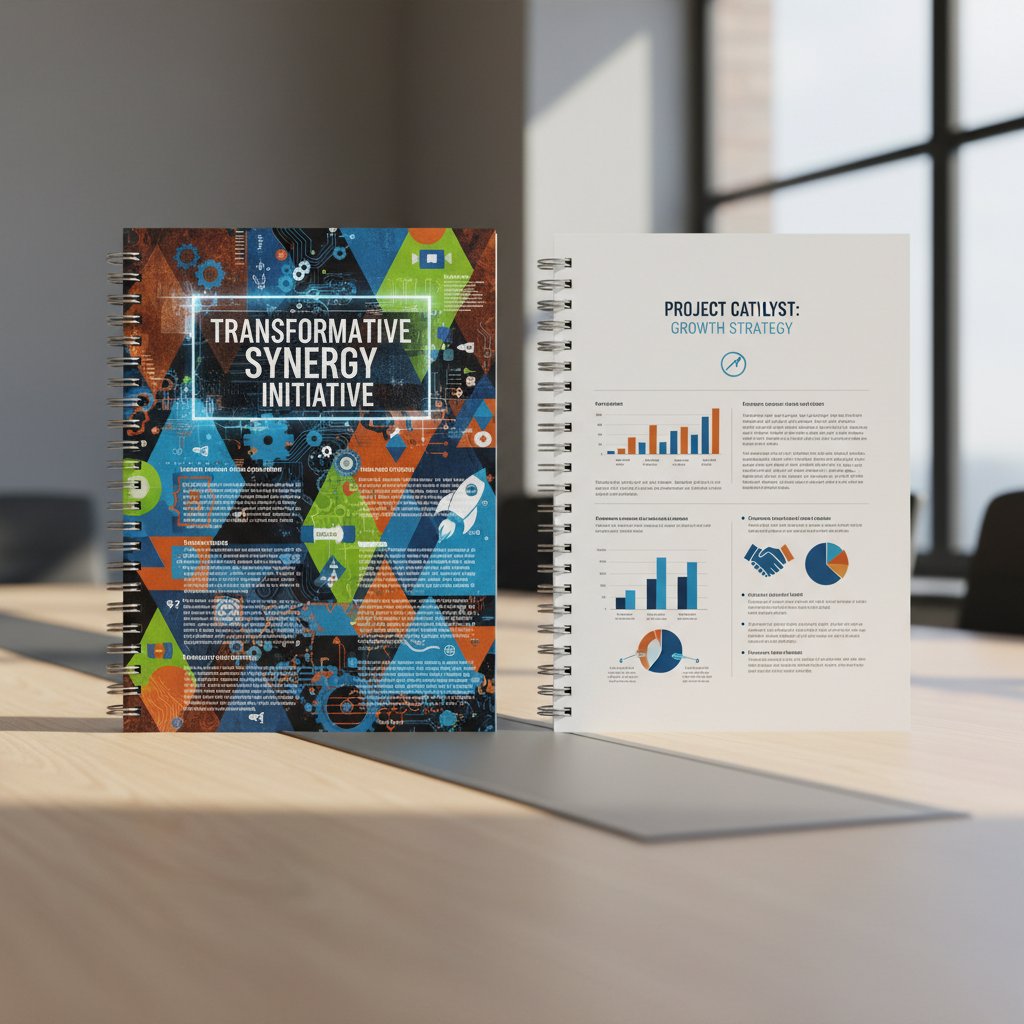
It’s easy to get seduced by stunning visuals, but form without substance is a fast track to the trash bin. Data from Proposify, 2025 shows that overly designed proposals often lose deals because they confuse or overwhelm. A clear, compelling narrative—supported by sharp visuals, not dependent on them—wins every time.
Balancing visual appeal with narrative clarity is critical. Effective proposals use imagery, layout, and color to support the story, not distract from it. The “wow” factor draws the eye, but the real work is done by concise language, strong structure, and an obvious value proposition.
Myth #3: Longer is stronger
Too many teams equate length with thoroughness, cramming everything into their proposals in a bid to impress. But recent research debunks this: the correlation between proposal length and win rate is weak at best, and often negative. According to Proposify, 2025, the average winning proposal is now just 6-8 pages—down from over 12 a decade ago.
| Industry | Avg. Proposal Length (pages) | Win Rate (%) |
|---|---|---|
| Technology | 8 | 32 |
| Consulting | 7 | 28 |
| Marketing | 6 | 34 |
| Construction | 10 | 21 |
| Professional Services | 7 | 30 |
Table 2: Average proposal length vs. win rates across key industries.
Source: Proposify, 2025
- Your executive summary is longer than your solution.
- You repeat the same value proposition in multiple sections.
- There are more than three appendices.
- No one can remember your main point after reading.
- You rely on filler to meet a “minimum page count” set by outdated internal policies.
Inside the mind of the decision-maker
The psychology of winning proposals
To generate professional proposals that close deals, you must inhabit the psyche of the decision-maker. It’s not just about business logic—it’s about trust, emotion, and cognitive shortcuts. Neuroscience reveals that first impressions are formed in milliseconds, and narrative trumps data when attention is scarce. Decision-makers crave simplicity, relevance, and—perhaps most importantly—stories that make them imagine their lives made easier, richer, or safer.
Social proof and storytelling are weapons of influence. Citing relevant success stories, using client logos, and sharing user testimonials hacks the brain’s tendency to follow the herd. Research from Arphie.ai, 2025 confirms that proposals leveraging emotion and relatable examples consistently outperform dry, technical reports.
"If you don’t make them feel something, you’re just another PDF." — Priya, business strategist (illustrative, based on Arphie.ai, 2025)
The unseen influences: timing, tone, and trust
The moment you hit “send” is as critical as your content. Studies indicate that proposals delivered within 24 hours of initial contact are 21% more likely to be accepted (source: Better Proposals, 2025). The tone—confident but not arrogant, direct but empathetic—signals professionalism and emotional intelligence.
- Faster response times appear more committed and agile.
- Hitting the recipient’s preferred time slot (e.g., Tuesday morning) increases open rates.
- Timely follow-ups demonstrate reliability and attention to detail.
- Early delivery can preempt competitor pitches.
- Proactive communication builds trust before a deal is signed.
Trust signals—like references, transparent pricing, and evidence of past wins—are often overlooked. According to Cooley, 2024, proposals lacking concrete proof or clear next steps are systematically deprioritized, even if the offer is strong.
Breaking the mold: radical strategies for 2025
The contrarian’s guide to proposal writing
If you want to generate professional proposals that actually get noticed, you have to break from the herd. The boldest teams are now deploying tactics that were heretical a few years ago—like sending proposals as micro-sites, embedding video testimonials, or even using humor (when appropriate) to stand out. Radical does not mean reckless; it means evidence-based rebellion against outmoded practices.
- Leverage AI-driven automation: Use smart tools (Junia AI, HyperWrite, filecreator.ai) to generate, personalize, and QA content in minutes, not hours.
- Embed interactive multimedia: Add videos, clickable prototypes, or interactive calculators that make passive readers into active participants.
- Prioritize “value density”: Strip away all fluff—every paragraph must earn its place.
- Real-time collaboration: Use cloud platforms so every stakeholder can contribute instantly, reducing bottlenecks.
- Analytics everywhere: Track opens, views, and interactions; tailor follow-ups based on actual engagement data.
- Integrated e-signature and payment: Remove all friction to closing with one-click signoff and payment.
- Continuous improvement: Analyze wins and losses; iterate ruthlessly for each new pitch.

Case studies: winning by breaking the rules
Consider a marketing agency that ditched the classic PDF and instead delivered a proposal as a fully interactive website tailored to the client’s brand. The risks? Going too far outside the recipient’s comfort zone. The reward? Not only did the client engage with every section (tracked via analytics), but the deal closed 40% faster than average. According to feedback, the “audacity and relevance” of the approach was the deciding factor.
The risks of unconventional proposals are real: some clients prefer tradition, and a radical approach can backfire if it’s perceived as gimmicky. But current data shows that, for most industries, the upside far outweighs the risk—especially when paired with strong substance.
| Approach | Win Rate (%) | Avg. Feedback Score (/10) | Time Investment (hours) |
|---|---|---|---|
| Traditional (PDF) | 24 | 6.2 | 11 |
| Radical (Interactive) | 38 | 8.1 | 13 |
Table 3: Traditional vs. radical proposal outcomes.
Source: Original analysis based on Proposify, 2025, Better Proposals, 2025
The AI revolution: automation and authenticity
How AI is reshaping proposal generation
AI is no longer a novelty—it’s the engine behind the proposal arms race. With tools like filecreator.ai, proposals are drafted, formatted, and personalized in a fraction of the time, reducing error rates and amplifying consistency. According to Arphie.ai, 2025, AI-driven platforms can now analyze past wins and losses to suggest optimal content, structure, and even timing for submission.
Automation excels at eliminating manual drudgery—structuring documents, flagging inconsistencies, formatting for multiple outputs (PDF, DOCX, PPTX). But it’s not perfect: AI still struggles with context, subtlety, and the kind of creative risk-taking that truly memorable proposals demand.

Can AI-generated proposals be truly persuasive?
The debate is fierce: can a machine-generated proposal move the needle like a human-crafted one? The answer lies in the middle. AI excels at tone-matching—mirroring the recipient’s language and preferred style, provided it’s fed quality data. But true proposal authenticity—the “human spark”—remains a differentiator. Clients are quick to spot generic, robotic pitches and penalize them with silence.
A process where AI analyzes previous communications or public data to adapt the proposal’s style to the recipient. Useful for rapport, but only as good as its dataset.
The quality of a proposal that signals originality, care, and human insight—impossible to fake with templates or algorithms alone.
filecreator.ai and the new wave of document generation
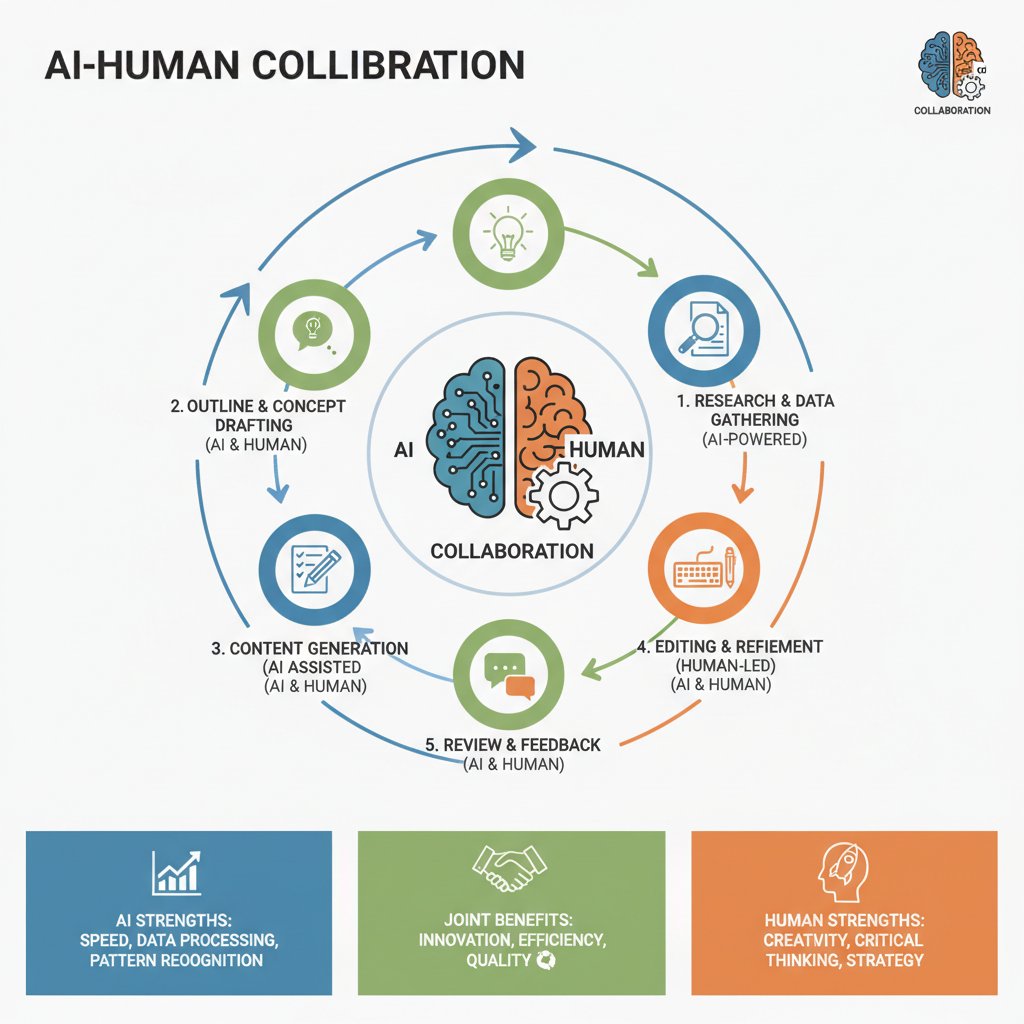
Platforms like filecreator.ai aren’t just slotting data into templates—they’re combining vast automation with genuine customization. The new ecosystem is about blending the speed and precision of AI with the creativity and empathy of human input. This hybrid approach yields proposals that are fast, accurate, and, crucially, still resonate on a human level. The future isn’t man versus machine, but man with machine—teams empowered, not replaced.
Mistakes, risks, and how to avoid them
The most expensive mistakes you can make
Even the slickest proposal can be sabotaged by avoidable errors—some glaring, others insidiously subtle. According to Cooley, 2024, proposals with unchecked errors or unclear terms are systematically deprioritized by recipients.
- Typos and factual errors: Instantly erode credibility and signal carelessness.
- Broken links or outdated data: Undermine trust and relevance.
- Unclear pricing or deliverables: Create confusion and slow down closing.
- Missing contact details or next steps: Leave the recipient stranded.
- Overpromising or vague guarantees: Set up future disputes.
- Ignoring compliance requirements: Can invalidate your proposal entirely.
To spot these issues, conduct a ruthless pre-submission review: proofread, test all links (including internal [filecreator.ai/document-automation]), verify every fact, and make sure your proposal answers the recipient’s actual pain points.
When automation goes wrong: lessons from the trenches
Automation is a double-edged sword. Teams have recounted horror stories of proposals sent to the wrong client, personalized fields left blank, or sensitive information exposed through template errors. One infamous case involved an AI-generated proposal addressed to “Dear Insert Name Here,” which cost the firm a multimillion-dollar deal. The lesson: technology requires oversight. Human empathy and judgment are irreplaceable in quality control.

From concept to close: your actionable blueprint
Step-by-step: generate professional proposals that close deals
The difference between a mediocre and a winning proposal is the rigor of your process. Here’s the proven blueprint:
- Clarify your objective: Define exactly what you want to achieve.
- Research your prospect: Gather intelligence—pain points, competitors, preferences.
- Select the right template (then break it): Use as a starting point, not a straitjacket.
- Personalize every section: Address the recipient by name, reference their context.
- Lead with value: Your executive summary should solve a problem or seize an opportunity.
- Back up claims with evidence: Use data, case studies, and testimonials.
- Make it interactive: Embed video, clickable elements, or calculators.
- Streamline design: Prioritize clarity—white space beats clutter every time.
- Optimize for mobile: Many recipients review proposals on the go.
- Enable tracking: Use analytics to monitor engagement.
- Include a clear call to action: Next steps must be unambiguous.
- Review and QA: Proofread, fact-check, and test all features before hitting send.
| Proposal Readiness Checklist | Action Needed? | Complete? (Y/N) |
|---|---|---|
| Objective clearly defined | ||
| Prospect researched | ||
| Personalization applied | ||
| Evidence included | ||
| Interactive elements used | ||
| Mobile-friendly format | ||
| Analytics enabled | ||
| Call to action present | ||
| Reviewed/QAd |
Table 4: Proposal readiness self-assessment.
Source: Original analysis based on best practices from Proposify, 2025 and Arphie.ai, 2025
Quick-reference: proposal essentials at a glance
Every winning proposal covers the fundamentals—ignore them at your peril. These essentials transcend industry and trend.

- Unconventional sales: Use proposals to pitch “off-menu” services or experimental projects.
- Partnership building: Proposals for alliances, not just sales.
- Internal innovation: Use the proposal format to sell new ideas within your company.
- Thought leadership: Publish proposals as public-facing whitepapers.
- Personal branding: Create a “proposal” for your next career move or creative pitch.
Real-world impact: stories from the front lines
User journeys: wins, losses, and lessons
For every tale of a proposal that landed a dream client, there’s one of heartbreak. Take Sam, a freelancer who lost a six-figure deal after missing a critical compliance clause, only to bounce back with an airtight, data-driven pitch that became the template for dozens of future wins.
"Losing taught me more than any win ever could." — Sam, freelancer (composite quote distilled from industry case studies in Better Proposals, 2025)
The emotional rollercoaster is real—every rejection stings, but every iteration makes your next proposal smarter, sharper, and more likely to win.
What the data really says about proposal success
Recent industry statistics paint a sobering picture: traditional proposal support is declining. Environmental proposals dropped from 21% to 18% support (2023-2024); social proposals from 18% to 15% (Cooley, 2024). At the same time, proposals increasingly target larger companies—the median recipient market cap rose from $35B in 2023 to $93B in 2024.
| Industry | Success Rate (%) | Median Recipient Market Cap ($B) |
|---|---|---|
| Environmental Proposals | 18 | 93 |
| Social Proposals | 15 | 93 |
| General Business | 29 | 93 |
Table 5: Industry-specific proposal success rates and recipient profiles.
Source: Cooley, 2024
The implication? The bar is higher than ever, and only the boldest, most data-driven approaches consistently win.
Future shock: where professional proposals go next
The next frontier: immersive, interactive proposals
Proposals are morphing into experiences. AR/VR, interactive elements, and live analytics are redefining what “pitching” means. According to Onaudience, 2024, connected TV ad spend is set to surpass traditional TV by 2025, as immersive content becomes the norm. User expectations are shifting—what wowed a client last year is now the minimum standard.

Controversies and ethical dilemmas
The rise of AI-generated proposals fuels debates about ethics, privacy, and manipulation. Data privacy is a flashpoint—how much should a proposal tool know about a prospect? Algorithmic bias can creep in, favoring certain language or formats over others, potentially skewing opportunities.
The practice of designing proposal generation tools to be transparent, fair, and respectful of user data and autonomy.
Systematic favoritism or disadvantage created by the data and logic underlying AI-driven systems.
Your move: staying ahead in a changing world
Stagnation is the only real risk. The best proposal professionals are perpetual students—learning, iterating, and adapting without ego.
- Audit your process quarterly: Identify bottlenecks, update templates, replace outdated tools.
- Invest in analytics: Measure every aspect of your proposals, from open rates to conversion.
- Build a swipe file: Collect examples of winning proposals, both your own and competitors’.
- Stay current on tech: Explore new platforms (like filecreator.ai) and experiment with emerging features.
- Solicit brutal feedback: From both winners and losers—honesty is your best teacher.
- Champion ethical standards: Challenge your vendors to prioritize privacy and fairness.
- Teach your team: Knowledge hoarded is opportunity wasted.
The new rules are clear: to generate professional proposals that win in 2025, you must be as fearless in your learning as you are in your pitching. The world won’t wait—why should you?
Sources
References cited in this article
- Proposify State of Proposals 2025(proposify.com)
- Better Proposals: How Your Proposals Need to Look in 2025(betterproposals.io)
- Arphie.ai: Mastering the RFP Process 2025(arphie.ai)
- Cooley 2024 Shareholder Proposal Highlights(cooley.com)
- CNN Business: Engagement Trends 2024(cnn.com)
- Onaudience: CTV vs. Traditional TV Stats 2024(onaudience.com)
- Offorte: History of the Proposal(offorte.com)
- LinkedIn: Proposal Writing Through the AI Looking Glass(linkedin.com)
- AutogenAI: Evolution of Proposal Writing Tools(autogenai.com)
- Junia AI Proposal Generator(junia.ai)
- UseMotion: Top 10 AI Proposal Generators 2025(usemotion.com)
- Piktochart: AI Proposal Generator(piktochart.com)
- FreshProposals: 6 Proposal Myths to Leave Behind in 2023(freshproposals.com)
- OpenAsset: Expert Dos & Don'ts 2024(resources.openasset.com)
- FundsforNGOs: Proposal Writing Best Practices 2023(fundsforngos.org)
- Proposify: Proposal Design Best Practices(proposify.com)
- GHIT Digital: Psychology of Proposal Evaluation(ghit.digital)
- FreshProposals: Decision Making Psychology(freshproposals.com)
- Xait: Winning Proposals(xait.com)
- Forbes: Crafting Winning Proposals(forbes.com)
- Rice University: Breaking the Mold(research.rice.edu)
- LinkedIn: Mavericks in Radical Change(linkedin.com)
- Contrarian’s Guide to Standout Proposals (PDF)(mo.acec.org)
- ThinkTank: Authenticity in 2024(thinktank.org.uk)
- Loopio: AI Adoption in Proposals(loopio.com)
- HatchWorks: Generative AI Stats(hatchworks.com)
- McKinsey: State of AI 2024(mckinsey.com)
- Microsoft Blog: Top AI Trends 2024(blogs.microsoft.com)
- Washington Technology: Gen AI in Proposals(washingtontechnology.com)
- PNAS Nexus: AI-Generated Propaganda Study(academic.oup.com)
- FundsforNGOs: Common Mistakes in Proposal Writing(fundsforngos.org)
- Templafy: Proposal Automation Tools 2024(templafy.com)
Perfect Documents, Instantly
Filecreator.ai transforms the way you produce professional documents. Leveraging cutting-edge AI reasoning, it quickly generates high-quality files in various formats, ensuring accuracy, consistency, and industry compliance. Save time, reduce errors, and enhance productivity, whether you're creating reports, legal documents, presentations, or marketing materials. Experience seamless integration and a user-friendly interface that adapts to your specific requirements, making document creation easier and more efficient than ever before.
Get startedStart Creating Professional Documents Today
Join thousands of professionals who trust AI-powered document generation
Frequently Asked Questions
What makes modern proposals different from traditional ones?
Modern proposals are lean, interactive, and data-driven, engineered for short attention spans, whereas traditional proposals relied on thick, formal documents with excessive jargon. Today's decision-makers expect clarity, brevity, and value rather than volume and formality.
How has technology changed proposal creation?
Proposal creation has evolved from typewriters and carbon paper in earlier decades through word processors and email in the 1980s-1990s, to today's cloud-based platforms, real-time collaboration tools, and AI-driven automation like filecreator.ai that enable personalization, speed, and strategic storytelling.
Why do many proposals fail to get noticed?
According to the article, thousands of proposals get ghosted before recipients even scroll past the logo because they rely on recycled safe templates, buzzwords, and outdated approaches while competitors are using AI, videos, and analytics to create sharper, more compelling proposals.
What does the article say about the current state of proposals in 2025?
The article describes proposal writing in 2025 as a competitive battleground where success requires being bold, data-driven, and truly original—competitors are using advanced technology and psychology to create proposals that stand out, making traditional approaches obsolete.
Continue Reading
Explore more from Professional Document Generator

How to Generate Customized Proposal Documents Buyers Engage with
To generate customized proposal documents effectively, you need precision and authenticity beyond templated pitches.

Generate Customized Proposals: Why Personalization Wins Deals
How to generate customized proposals that win deals. This article explains why generic templates fail, how hyper-personalization changes outcomes, and AI-driven strategies that work.

How to Generate Business Proposals Templates That Win
Most business proposals fail because they're forgettable and formulaic. This article explains how to generate business proposals templates that persuade, stand out, and win deals.

Generate Personalized Proposals Buyers Can’t Ignore in 2026
Discover insights about generate personalized proposals

Why Most Project Proposals Fail and How to Win
This article explains why most project proposals fail and reveals nine essential truths for generating proposals that win in 2025.

Automated Customized Proposals: Costs, Payoffs, and Realities
Automated customized proposals reduce time spent on manual drafting and increase close rates. This article explains the costs, payoffs, and practical realities of proposal automation.